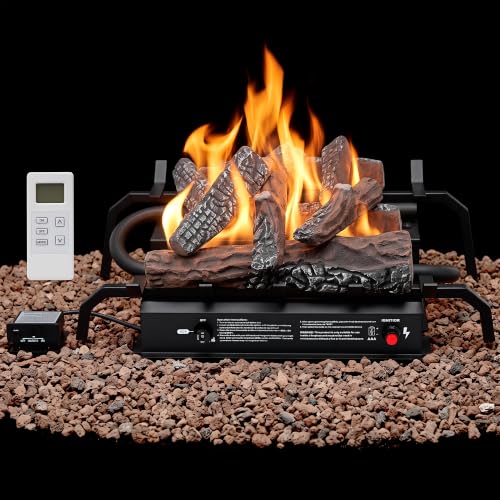
24 Inch Ventless Gas Fireplace Insert
Discover the perfect compact heating solution for your home. Learn about sizing, efficiency, installation, and the best options available.
View Recommended ModelsWhat Is a 24 Inch Ventless Gas Fireplace Insert?
A 24 inch ventless gas fireplace insert is a compact, efficient heating appliance designed to fit into an existing fireplace opening or a small wall cavity. Unlike traditional fireplaces that require a chimney or flue to exhaust combustion byproducts, ventless (also called vent-free) models burn gas so cleanly that they can operate without any venting. This makes them an excellent choice for homeowners who want the warmth and ambiance of a real flame without the cost and complexity of installing a chimney.
The 24-inch size is particularly popular for smaller spaces such as bedrooms, dens, home offices, and apartments. It offers a cozy focal point without overwhelming the room. If you are exploring different types of fireplaces, this insert category is a versatile option that balances aesthetics with practicality.
Key Benefit: Ventless inserts are nearly 100% efficient because no heat escapes through a chimney. All the warmth stays in your room, making them an excellent choice for zone heating.
Why Choose a 24 Inch Ventless Gas Insert?
Choosing the right fireplace for your home involves weighing factors like space, efficiency, and installation requirements. A 24-inch ventless gas insert offers several distinct advantages that make it a compelling choice for many homeowners.
✅ Advantages
- No Chimney Required: Ideal for homes without existing flues or where adding a chimney is impractical.
- High Efficiency: Nearly all generated heat stays in the room, reducing energy waste.
- Compact Size: Perfect for smaller rooms, apartments, and tight spaces.
- Easy Installation: Simpler and often less expensive to install than vented models.
- Convenient Operation: Many models offer remote controls, thermostats, and programmable settings.
- Realistic Flames: Modern ventless inserts feature logs and embers that mimic a real wood fire.
⚠️ Considerations
- Indoor Air Quality: Ventless units release trace amounts of combustion byproducts; proper sizing and maintenance are essential.
- Local Regulations: Some states or municipalities restrict ventless fireplace use. Always check local codes.
- Moisture Production: Burning gas produces water vapor, which can increase indoor humidity.
- Annual Maintenance: Regular cleaning and inspection are important for safe operation.
- Room Size Limits: BTU output must be matched to room volume to avoid oxygen depletion concerns.
For a deeper dive into how ventless technology compares to other options, explore our guide on types of fireplaces. Understanding the pros and cons helps you make an informed decision that aligns with your lifestyle and home requirements.
Sizing and BTU Requirements for a 24 Inch Insert
Proper sizing is critical for both performance and safety. A 24-inch ventless gas insert typically produces between 20,000 and 30,000 BTUs, though exact output varies by model. The general rule of thumb is that a ventless fireplace needs 1,000 BTUs for every 50 square feet of space, but this can vary based on ceiling height, insulation, and climate.
How to Calculate Your Needs
- Measure Your Room: Calculate the square footage (length × width).
- Consider Ceiling Height: If ceilings are higher than 8 feet, you may need additional BTUs.
- Assess Insulation: Well-insulated homes retain heat better, requiring fewer BTUs.
- Determine Your Goal: Are you heating the entire room or just adding ambiance? For supplemental heat, a lower BTU output may suffice.
For a more detailed breakdown, refer to our heating capacity and BTU guide. It provides formulas and examples to help you match a fireplace to your room size accurately.
Ventless Safety and Room Size
Because ventless fireplaces consume oxygen from the room, manufacturers specify a minimum room volume. As a general guideline, you need at least 50 cubic feet of space per 1,000 BTUs. For example, a 30,000 BTU unit requires a room of at least 1,500 cubic feet (e.g., a 15' × 20' room with 8-foot ceilings). Always follow the manufacturer's recommendations and consult local building codes.
Pro Tip: If your room is on the smaller side, look for a model with a lower BTU range or one that offers adjustable heat settings. Many modern inserts allow you to control the flame and heat independently.
Installation Guide for a 24 Inch Ventless Gas Insert
One of the biggest advantages of a ventless gas insert is the relative ease of installation. Unlike vented models that require a chimney or direct vent termination, a ventless insert can often be installed into an existing fireplace opening or a framed wall cavity with minimal structural modifications.
Step-by-Step Overview
- Check Local Codes: Verify that ventless fireplaces are permitted in your area and obtain any necessary permits.
- Prepare the Opening: Ensure the existing fireplace opening or wall cavity matches the insert's dimensions. You may need to add a non-combustible surround or mantel.
- Gas Line Connection: A licensed professional should connect the gas line to the insert. This is not a DIY task for most homeowners.
- Electrical Connection: Many models require electricity for ignition, blowers, or remote controls. Ensure a power source is available.
- Secure the Insert: Slide the unit into place and secure it according to the manufacturer's instructions.
- Test and Inspect: Turn on the unit, check for leaks, and ensure all safety features are functioning.
While some homeowners may feel comfortable handling parts of the installation, connecting gas lines and ensuring proper ventilation are tasks best left to professionals. For a comprehensive look at what's involved, see our installation guide overview and learn about DIY vs professional installation.
Installation Requirements
- Clearance to Combustibles: Maintain the specified distance between the insert and any combustible materials (walls, furniture, curtains).
- Gas Type: Ensure the insert is compatible with your home's gas type (natural gas or propane).
- Ventilation: Even though ventless units don't require a chimney, they still need adequate air circulation. Do not block any air intake or exhaust openings.
- Mantel and Surround: Use non-combustible materials for any mantel or surround within the specified clearance zone.
For specific requirements, consult our guide on gas fireplace installation requirements.
Efficiency and Operating Costs
Ventless gas inserts are renowned for their high efficiency. Because they don't lose heat through a chimney, almost all the heat they generate stays in your living space. This can translate to significant savings on your heating bills, especially if you use the insert for zone heating—warming only the rooms you occupy rather than the entire house.
Understanding Efficiency Ratings
Most ventless gas inserts have efficiency ratings between 92% and 99%. This means that for every unit of gas consumed, nearly all of it is converted into usable heat. In contrast, traditional wood-burning fireplaces can lose up to 90% of their heat through the chimney.
Factors Affecting Operating Costs
- Local Gas Prices: The cost of natural gas or propane varies by region and season.
- Usage Patterns: Running the insert for a few hours a day versus continuously will impact your bill.
- BTU Output: Higher BTU models consume more gas but provide more heat.
- Thermostat Settings: Using a programmable thermostat or remote control can optimize usage and reduce waste.
To compare the running costs of different fireplace types, check out our articles on electric vs gas running costs and most energy-efficient fireplace types. These resources can help you estimate long-term savings.
Did You Know? Using a ventless gas insert for zone heating can reduce your overall energy consumption by allowing you to lower your central thermostat while keeping your main living area comfortable.
Maintenance Tips for Your 24 Inch Ventless Gas Insert
Like any heating appliance, a ventless gas insert requires regular maintenance to ensure safe, efficient operation. Neglecting maintenance can lead to reduced performance, increased energy consumption, and potential safety hazards.
Routine Maintenance Checklist
- Clean the Glass: Use a non-abrasive cleaner specifically designed for fireplace glass. Avoid ammonia-based products.
- Inspect the Burner: Periodically check the burner for dust, debris, or spider webs. A soft brush or vacuum can be used to clean it gently.
- Check the Logs and Embers: Ensure ceramic logs and ember material are positioned correctly and not damaged.
- Test the Ignition System: Verify that the pilot light or electronic ignition works properly.
- Inspect the Gas Line: Look for signs of leaks or corrosion. If you smell gas, turn off the unit and call a professional immediately.
- Clean the Blower (if equipped): Dust and debris can accumulate on blower blades, reducing airflow. Follow the manufacturer's instructions for cleaning.
- Annual Professional Inspection: Have a qualified technician inspect the unit at least once a year, especially before the heating season.
For more detailed maintenance guidance, visit our gas fireplace maintenance guide and how to clean fireplace glass. Regular care will extend the lifespan of your insert and keep it running safely. If you encounter issues, our troubleshooting section covers common problems like won't light or pilot light issues.
Safety and Regulations
Ventless gas fireplaces are safe when installed and used according to the manufacturer's instructions and local building codes. However, because they operate without a vent, they are subject to specific regulations in some areas.
Key Safety Features
- Oxygen Depletion Sensor (ODS): This safety device automatically shuts off the fireplace if oxygen levels in the room drop below a safe threshold.
- Automatic Shut-Off: Many models include a timer or thermostat that turns off the unit after a set period.
- Sealed Combustion: Some high-end ventless inserts use a sealed combustion system that draws air from outside, improving indoor air quality.
Regulatory Considerations
Some states, such as California and Massachusetts, have restrictions on ventless fireplaces. Others allow them but require specific room sizes or BTU limits. Always check with your local building department before purchasing or installing a ventless gas insert. For more information, see our guide on do fireplaces need a chimney and fireplace permit requirements.
Safety First: Install carbon monoxide detectors in the same room as your ventless fireplace. While modern units are designed to burn cleanly, a detector provides an extra layer of protection. Learn more about carbon monoxide signs.
How Does 24 Inch Compare to Other Sizes?
Ventless gas inserts come in various sizes, typically ranging from 18 inches to 42 inches. The right size depends on your room dimensions, heating needs, and aesthetic preferences.
| Size | Typical BTU Range | Best For |
|---|---|---|
| 18–24 inches | 20,000–30,000 | Bedrooms, dens, small living rooms, apartments |
| 28–32 inches | 25,000–35,000 | Medium living rooms, master bedrooms |
| 36–42 inches | 30,000–40,000+ | Large living rooms, open-concept spaces |
A 24-inch insert is ideal for smaller spaces where a larger unit would be overpowering. It provides ample heat for rooms up to approximately 400–500 square feet, depending on insulation and climate. If you're considering a larger option, you might explore our guides on 32 inch, 36 inch, and 42 inch ventless gas inserts.
What to Look for When Buying a 24 Inch Ventless Gas Insert
When shopping for a 24-inch ventless gas insert, consider the following factors to ensure you choose the right model for your home:
1. BTU Output and Heating Capacity
Match the BTU output to your room size. A unit that's too powerful can overheat a small space, while one that's too weak won't provide adequate warmth. Refer to our how to size a fireplace guide for help.
2. Fuel Type
Determine whether your home uses natural gas or propane. Most inserts are designed for one or the other, though some can be converted with a kit. If you don't have a gas line, you might consider propane models or explore gas fireplace without a gas line options.
3. Ignition System
Choose between a standing pilot light (always on) or an electronic ignition (starts on demand). Electronic ignition is more energy-efficient and is required in some jurisdictions.
4. Features and Controls
Look for features that enhance convenience and comfort, such as:
- Remote control
- Thermostat
- Programmable timer
- Variable flame height
- Blower for heat distribution
- Realistic log set and ember bed
5. Design and Aesthetics
The insert should complement your existing décor. Consider the finish (black, stainless steel, etc.), the style of the logs, and the overall look of the flame. Some models offer reflective panels or LED lighting to enhance the realism.
6. Safety Certifications
Ensure the unit is certified by a recognized testing agency (e.g., CSA, UL, or ANSI). This guarantees it meets safety and performance standards.
7. Warranty and Support
Check the warranty coverage and the availability of customer support. A longer warranty often indicates a manufacturer's confidence in their product.
Frequently Asked Questions
Can a 24 inch ventless gas fireplace insert heat a whole house?
No, a 24-inch insert is designed for zone heating—warming a specific room or area. It typically produces enough heat for a space up to 400–500 square feet. For whole-house heating, you would need a central heating system or multiple units.
Is a ventless gas fireplace safe to use indoors?
Yes, when installed and operated according to the manufacturer's instructions and local codes. Ventless fireplaces are equipped with oxygen depletion sensors and other safety features. However, they should not be used in small, tightly sealed rooms without adequate air circulation.
Do I need a chimney for a ventless gas insert?
No, ventless inserts do not require a chimney. They can be installed in an existing fireplace opening or a framed wall cavity. However, you should always check local building codes, as some areas restrict ventless appliances.
How much maintenance does a ventless gas insert require?
Routine maintenance includes cleaning the glass, inspecting the burner, and checking the logs. An annual professional inspection is recommended. For more details, see our maintenance schedule.
Can I install a ventless gas insert myself?
While some aspects of installation (like framing) can be DIY, connecting the gas line and ensuring proper ventilation should be done by a licensed professional. Improper installation can be dangerous. Learn more about DIY vs professional installation.
What is the lifespan of a ventless gas fireplace insert?
With proper maintenance, a quality ventless gas insert can last 15–20 years or more. The lifespan depends on usage, maintenance, and the quality of the components. For more information, see our article on fireplace lifespan.
Do ventless gas inserts produce carbon monoxide?
Ventless gas inserts produce trace amounts of carbon monoxide, but they are designed to burn efficiently, keeping emissions within safe limits. Installing a carbon monoxide detector is always recommended. Learn about carbon monoxide signs.
Can I use a ventless gas insert in a bedroom?
Yes, many 24-inch ventless inserts are specifically designed for bedrooms. However, you must ensure the room meets the minimum volume requirements and that local codes permit ventless appliances in sleeping areas. Always follow the manufacturer's guidelines.
Final Thoughts
A 24 inch ventless gas fireplace insert is an excellent choice for homeowners seeking a compact, efficient, and aesthetically pleasing heating solution. Whether you're looking to add warmth to a bedroom, create a cozy focal point in a living room, or upgrade an existing fireplace, a ventless insert offers convenience and performance.
Before making a purchase, carefully consider your room size, heating needs, and local regulations. Use the resources in this guide to make an informed decision. Don't forget to check out our recommended products below, which are selected based on quality, features, and customer satisfaction.
For more information on related topics, explore our fireplace buying guide and FAQ section. With the right insert, you can enjoy the beauty and warmth of a fire without the hassle of traditional venting.
Explore Related Topics
- Ventless Fireplace Insert with Blower – Learn how a blower can improve heat distribution.
- Natural Gas Vent-Free Fireplace Insert – Specific considerations for natural gas models.
- Propane Gas Fireplace Insert Vent-Free – Options for homes without natural gas lines.
- Zero Clearance Ventless Gas Fireplace – Ideal for new construction or renovations.
- Ventless Gas Fireplace Insert with Glass Front – A modern aesthetic choice.
- Best Gas Fire Inserts for Existing Fireplaces – Upgrade your current fireplace.
- Fireplace Insert for Prefab Fireplace – Compatibility guide for prefabricated units.