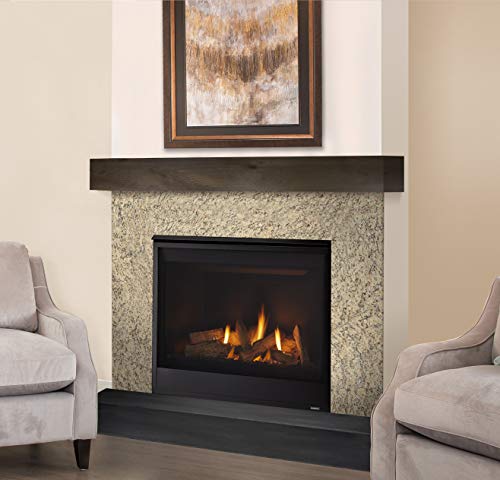
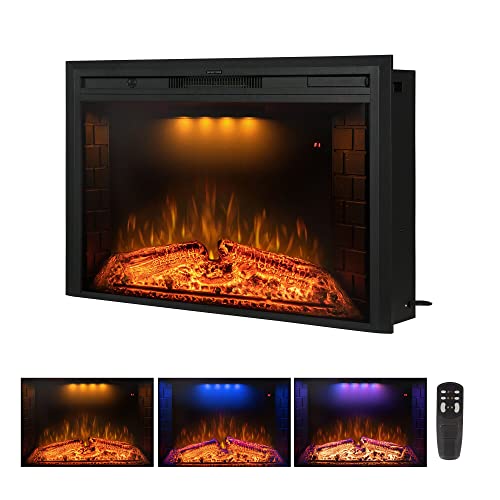
36 Inch Ventless Gas Fireplace Insert: Complete Buying Guide
A 36-inch ventless gas fireplace insert offers the perfect balance of size, heating capacity, and installation flexibility. Learn how to choose the right model for your existing fireplace, understand vent-free technology, and make an informed purchase decision.
View Recommended ModelsWhy a 36-inch ventless insert? This size fits most standard masonry fireplaces while delivering substantial heating output. Ventless technology eliminates the need for a chimney or external venting, making it an ideal solution for homeowners who want efficient supplemental heat without major renovation.
A 36 inch ventless gas fireplace insert is one of the most popular choices for homeowners looking to upgrade an existing fireplace. This size fits comfortably into most standard fireplace openings, while ventless (also called vent-free) technology allows you to enjoy a realistic flame without the expense and complexity of a chimney or vent system. Whether you are replacing an old wood-burning fireplace or adding supplemental heat to a living space, a 36-inch vent-free gas insert can transform your room with warmth and ambiance.
In this comprehensive guide, we will walk you through everything you need to know about ventless fireplace inserts with blower, from sizing and BTU requirements to safety considerations and maintenance. By the end, you will have the confidence to choose the right model for your home.
What Is a 36 Inch Ventless Gas Fireplace Insert?
A 36-inch ventless gas fireplace insert is a self-contained heating unit designed to fit into an existing fireplace opening. The "36-inch" measurement typically refers to the width of the insert's firebox or the overall unit, making it suitable for standard masonry fireplaces. Unlike traditional wood-burning fireplaces, a ventless insert burns natural gas or propane and releases combustion byproducts directly into the room—but only after they have been burned at a high enough temperature to be considered safe for indoor air quality.
Ventless technology, also known as vent-free or unvented, has advanced significantly in recent years. Modern natural gas ventless fireplace inserts are equipped with oxygen depletion sensors (ODS) and other safety features that automatically shut off the unit if oxygen levels drop below a safe threshold. This makes them a viable option for many homes, provided they are installed and used according to the manufacturer's guidelines.
Why Choose a 36 Inch Size?
The 36-inch size is the Goldilocks of gas fireplace inserts—not too small, not too large. Here is why this size is so popular:
Perfect Fit for Standard Fireplaces
Most masonry fireplaces built in the last few decades have openings that accommodate a 36-inch insert without significant modification. This makes it a straightforward upgrade for many homes.
Substantial Heating Capacity
A 36-inch ventless insert typically produces between 20,000 and 40,000 BTU, enough to heat a room of 800 to 1,500 square feet, depending on insulation and climate.
Realistic Flame Presentation
The larger firebox allows for a more impressive flame pattern and a more realistic log set, enhancing the ambiance of your living space.
Flexible Fuel Options
Most 36-inch ventless inserts are available in natural gas or propane configurations. If you have a propane tank or a natural gas line, you can choose the fuel that works best for your home.
How to Choose the Right 36 Inch Ventless Insert
Selecting the perfect model requires careful consideration of several factors. Here is what you need to evaluate:
1. Sizing and Dimensions
Before purchasing, measure your existing fireplace opening precisely. You need the width, height, and depth. A 36-inch insert is designed to fit into an opening that is slightly larger than the insert itself—typically 37 to 40 inches wide. Always check the manufacturer's specifications for the exact required dimensions. For more details on sizing, refer to our fireplace sizing guide.
2. BTU Output and Heating Capacity
BTU (British Thermal Units) measure the heating output of the insert. A 36-inch ventless gas insert usually ranges from 20,000 to 40,000 BTU. To determine the right BTU for your space, use this simple formula: multiply the square footage of your room by 20 to 30 BTU (depending on insulation and climate). For example, a 1,000-square-foot room would need 20,000 to 30,000 BTU. Our BTU guide provides a more detailed explanation.
3. Efficiency and Safety Features
Modern ventless inserts are designed with safety and efficiency in mind. Look for models with an Oxygen Depletion Sensor (ODS), which shuts off the unit if oxygen levels fall below 18%. Some models also include a thermostat or remote control for convenient operation. For a deeper look at efficiency, see our article on most energy-efficient fireplace types.
4. Installation Requirements
Ventless inserts do not require a chimney or external vent, but they do need a gas line connection. If you do not have a gas line, you will need to install one or choose a propane model with a tank. Always consult a licensed professional for installation. Our gas fireplace installation requirements guide covers this in detail.
5. Aesthetic and Design Options
36-inch ventless inserts come in a variety of styles, from traditional log sets to contemporary linear designs. Consider the overall decor of your room and choose a model that complements your existing fireplace mantel and surround. Some models include options for different log styles, ember beds, and flame colors.
Ventless vs. Vented Inserts: What's the Difference?
Understanding the difference between ventless and vented inserts is crucial for making an informed decision. Here is a quick comparison:
| Feature | Ventless (Vent-Free) | Vented |
|---|---|---|
| Venting Requirement | None | Chimney or direct vent |
| Installation Complexity | Low (gas line only) | High (venting required) |
| Efficiency | Up to 99% | 70–85% |
| Indoor Air Quality | Requires ODS; some moisture released | Combustion byproducts vented outside |
| Best For | Supplemental heat, easy installation | Primary heat, homes with existing venting |
If you are considering a ventless insert, be aware that some states and local jurisdictions have restrictions on vent-free appliances. Always check local building codes before purchasing. For a broader comparison, see our ventless fireplace insert with blower guide.
Pros and Cons of a 36 Inch Ventless Gas Fireplace Insert
Advantages
- No chimney or venting required
- High heating efficiency (up to 99%)
- Lower installation cost compared to vented models
- Can be installed in apartments and homes without chimneys
- Provides supplemental heat during power outages (for some models)
- Realistic flame and log set
- Easy to operate with remote or thermostat
Disadvantages
- Releases some moisture and combustion byproducts into the room
- Not permitted in some states or municipalities
- Requires an oxygen depletion sensor (ODS)
- May not be suitable for small, tightly sealed rooms
- Annual maintenance is essential for safety
- Can produce a slight odor when first used
Installation Overview: What to Expect
Installing a 36-inch ventless gas fireplace insert is generally less involved than installing a vented model, but it still requires professional expertise. Here is a step-by-step overview:
- Measure and Prepare: Ensure your existing fireplace opening meets the insert's dimensions. Remove any old log sets, grates, or debris.
- Gas Line Connection: A licensed plumber or gas technician will connect the insert to your home's gas supply. If you do not have a gas line, this will need to be installed first.
- Electrical Connection: Many ventless inserts require electricity for the blower, remote control, or ignition system. Ensure a power source is available.
- Position and Secure: Slide the insert into the fireplace opening and secure it according to the manufacturer's instructions.
- Test and Adjust: Turn on the gas, check for leaks, and test the flame. Adjust the air shutter if necessary for a clean, blue flame.
- Install Surround and Mantel: If desired, install a decorative surround or mantel to complete the look. For ideas, see our non-combustible fireplace mantel shelf guide.
For a comprehensive installation guide, refer to our fireplace installation guide overview. If you are considering a DIY approach, our DIY vs. professional installation article can help you decide.
Maintenance and Safety Tips
To keep your 36-inch ventless gas fireplace insert operating safely and efficiently, follow these maintenance practices:
- Annual Inspection: Have a qualified technician inspect the insert, gas connections, and ODS every year. See our annual fireplace inspection guide.
- Clean the Glass: Use a non-abrasive cleaner to remove soot or film from the glass front. Our how to clean fireplace glass guide provides step-by-step instructions.
- Clean the Burner: Dust and debris can accumulate on the burner, affecting flame quality. Refer to our clean gas fireplace burner guide.
- Check for Odors: A slight odor is normal when the insert is new. If the odor persists or smells like gas, turn off the unit and call a professional immediately. See our gas smell troubleshooting guide.
- Keep the Area Clear: Maintain a safe distance between the insert and furniture, curtains, or other flammable materials. Our furniture distance guide explains the recommended clearances.
For a complete maintenance schedule, visit our fireplace maintenance schedule.
Common Issues and Troubleshooting
Even the best ventless inserts can experience occasional issues. Here are some common problems and their solutions:
Pilot Light Won't Stay Lit
This could be due to a dirty pilot orifice, a faulty thermocouple, or low gas pressure. See our pilot light troubleshooting guide.
Weak Flame
A weak flame may indicate low gas pressure or a blocked burner. Refer to our weak flame guide.
Fireplace Won't Turn On
Check the remote batteries, thermostat settings, and gas supply. Our gas fireplace won't light guide covers common causes.
Unusual Noises
Clicking, humming, or popping sounds may indicate a blower issue or expansion of metal components. See our fireplace noise troubleshooting guide.
Frequently Asked Questions
Ready to Choose Your 36 Inch Ventless Gas Fireplace Insert?
Now that you understand the benefits, sizing, and installation requirements, you are ready to explore the best models on the market. Check out our recommended products below to find the perfect fit for your home.
View Recommended Products