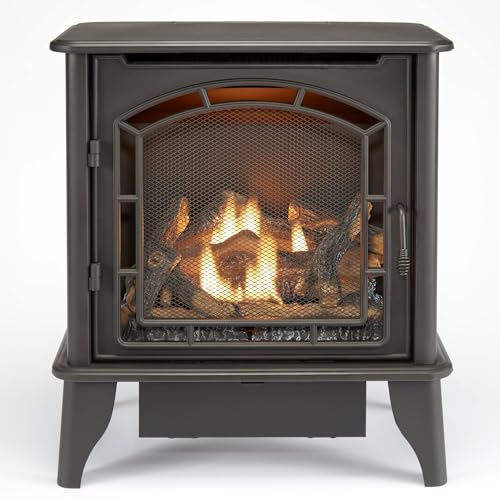
Zero Clearance Vented Gas Fireplace: The Complete Guide
Everything you need to know about zero clearance vented gas fireplaces — from installation and venting to efficiency and design ideas. Make an informed decision for your home.
Start ExploringWhat is a Zero Clearance Vented Gas Fireplace? A zero clearance vented gas fireplace is a factory-built unit designed to be installed with minimal clearance to combustible materials. Unlike traditional masonry fireplaces, these units are engineered for safe, direct venting and can be framed into a wall with standard construction materials. They offer the beauty of a real flame with the convenience of gas and the efficiency of modern venting technology.
What Does "Zero Clearance" Mean?
The term "zero clearance" refers to the fireplace's ability to be installed directly against combustible materials, such as wood framing, drywall, and insulation, without requiring a separate masonry surround. This is possible because the unit is built with an insulated outer shell and a dedicated venting system that safely directs exhaust gases outside. This makes zero clearance fireplaces ideal for new construction, renovations, and retrofits where space is limited.
For a broader understanding of how these units compare to other types, explore our guide on built-in vs freestanding fireplaces.
Vented vs. Ventless Gas Fireplaces
Zero clearance gas fireplaces are typically vented, meaning they require a chimney or direct vent pipe to exhaust combustion byproducts outdoors. Vented models are known for their superior air quality and realistic flame appearance. They are generally more efficient than traditional wood-burning fireplaces but may have different efficiency ratings compared to ventless models.
If you're considering a ventless option, you might want to read about ventless fireplace logs or ventless freestanding gas fireplaces.
Types of Venting for Zero Clearance Gas Fireplaces
There are two primary venting options for zero clearance gas fireplaces:
- Direct Vent: This system uses a double-wall pipe that brings in outside air for combustion and exhausts gases directly outside. It is highly efficient and does not require a traditional chimney. Direct vent fireplaces are ideal for homes without an existing chimney.
- B-Vent (Natural Vent): This system uses a single-wall pipe that relies on the natural draft of a chimney to expel exhaust. It requires a vertical chimney and is less efficient than direct vent but may be suitable for certain installations.
For more details on installation requirements, see our gas fireplace installation requirements guide.
Key Benefits of Zero Clearance Vented Gas Fireplaces
- Space-Saving: Can be installed in tight spaces, including walls and corners.
- Efficient Heating: Direct vent models are highly efficient, with many offering zone heating capabilities.
- Realistic Flames: Enjoy the look of a real fire with the convenience of gas.
- Easy Installation: Designed for simple framing and minimal clearance.
- Versatile Design: Available in a range of styles, from modern linear to traditional.
Installation Considerations
Installing a zero clearance vented gas fireplace involves several key steps, including framing, venting, gas line connection, and finishing. It is crucial to follow the manufacturer's instructions and local building codes. While some DIY enthusiasts may attempt installation, professional installation is recommended for safety and warranty compliance.
Learn more about the installation process in our fireplace installation guide and DIY vs professional installation comparison.
Efficiency and BTU: What to Expect
Zero clearance vented gas fireplaces are available in various heating capacities, typically measured in BTUs (British Thermal Units). Direct vent models are generally more efficient, with efficiency ratings ranging from 70% to over 90%. To determine the right size for your space, use our BTU guide and fireplace sizing guide.
For a comparison of running costs, see electric vs gas fireplace running costs.
Design Ideas for Zero Clearance Vented Gas Fireplaces
These fireplaces can be integrated into a variety of design styles. Consider a modern linear fireplace with a bed of decorative birch logs or fireplace tile surround. For a traditional look, pair it with a natural wood mantel. You can also create a stunning focal point by combining it with a TV and fireplace wall.
Explore more ideas in our fireplace ideas section.
Maintenance Tips
Regular maintenance ensures your fireplace operates safely and efficiently. Key tasks include cleaning the glass, inspecting the venting system, and checking the burner and pilot light. For a comprehensive guide, see our gas fireplace maintenance page and maintenance schedule.
If you encounter issues, our troubleshooting guide can help, including gas fireplace won't light and pilot light keeps going out.
Frequently Asked Questions
Do zero clearance vented gas fireplaces need a chimney?
No, they do not require a traditional masonry chimney. They use a direct vent or B-vent system that can be installed through a wall or roof.
Can I install a zero clearance fireplace in an apartment?
It depends on local building codes and the availability of proper venting. Always check with your landlord and local authorities. See our apartment fireplace installation guide.
How much does it cost to install a zero clearance vented gas fireplace?
Installation costs vary widely based on unit type, venting complexity, and labor. For a detailed breakdown, see our fireplace cost breakdown and cost of installing a gas fireplace.
Ready to choose your zero clearance vented gas fireplace? Explore our recommended products below to find the perfect match for your home.