Ventless Freestanding Gas Fireplace: The Ultimate Guide
Discover the freedom of a ventless freestanding gas fireplace. Learn about installation, safety, efficiency, and how to choose the perfect model for your home.
Explore Recommended ModelsWhat is a Ventless Freestanding Gas Fireplace?
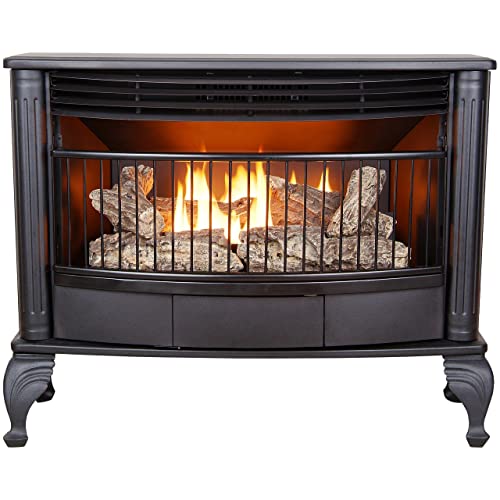
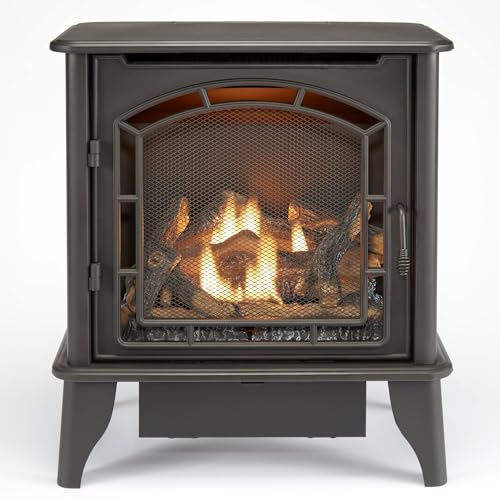
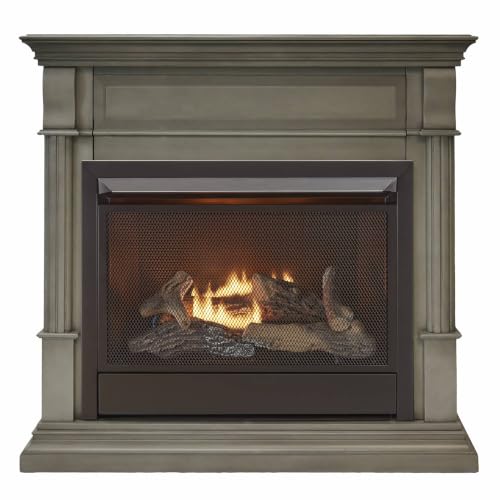
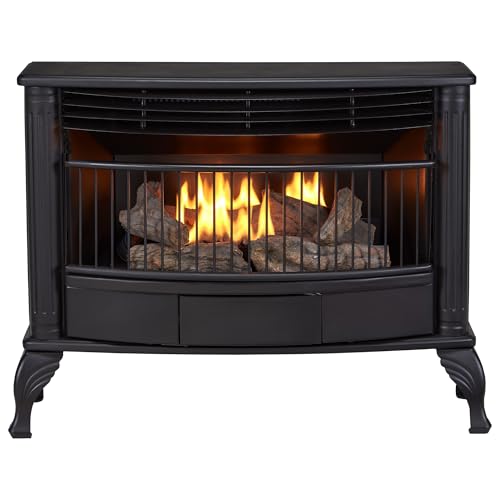
A ventless freestanding gas fireplace is a self-contained heating unit that operates without a chimney or exterior vent. Unlike traditional fireplaces that require a flue to exhaust combustion byproducts, ventless models use a catalytic converter or advanced burner technology to burn gas so cleanly that the emissions are safe to release directly into the room. This makes them an incredibly versatile option for homeowners who want the warmth and ambiance of a real fire without the structural requirements of a chimney.
These units are also known as freestanding ventless gas fireplaces or vent-free gas stoves. They are ideal for spaces where installing a vent is impractical or impossible, such as apartments, basements, or rooms far from an exterior wall. If you are new to fireplace terminology, our beginner's guide to fireplaces provides a solid foundation.
Because they are freestanding, these fireplaces can be placed almost anywhere in a room, offering flexibility that built-in units cannot match. They typically sit on legs or a pedestal and can be moved if you rearrange your space. For a broader comparison of different installation types, see our guide on wall-mounted vs insert vs freestanding fireplaces.
How Do Ventless Freestanding Gas Fireplaces Work?
Understanding the technology behind ventless fireplaces is key to appreciating their benefits and limitations. Here's a breakdown of how they operate:
- Fuel Source: They run on either natural gas or liquid propane (LP). Natural gas requires a dedicated gas line, while propane models can use a standard refillable tank, making them highly portable. You can learn more about fuel options in our types of fireplaces guide.
- Combustion: The gas is burned in a sealed combustion chamber. The burner is designed to achieve near-complete combustion, minimizing the production of carbon monoxide (CO) and other harmful byproducts.
- Catalytic Converter: Many ventless models include a catalytic converter that further breaks down any remaining pollutants into harmless water vapor and carbon dioxide.
- Heat Distribution: Instead of sending heat up a chimney, 99% of the heat generated is radiated or blown into the room. This makes them extremely efficient as zone heaters. You can compare this efficiency to other types in our most energy-efficient fireplace types article.
- Safety Sensors: Modern units are equipped with an Oxygen Depletion Sensor (ODS) that automatically shuts off the gas if oxygen levels in the room drop below a safe threshold.
It's important to note that while they are safe, they do consume oxygen from the room. Therefore, proper sizing and adherence to clearance requirements are critical. Always follow the manufacturer's instructions and local building codes.
Pros and Cons of Ventless Freestanding Gas Fireplaces
Like any heating solution, ventless freestanding gas fireplaces have distinct advantages and disadvantages. Weighing these will help you decide if one is right for your home.
Advantages
- No Venting Required: The biggest advantage. You can install them in apartments, basements, or interior rooms without exterior walls.
- High Efficiency: Nearly all heat stays in the room, making them excellent zone heaters.
- Flexible Placement: As freestanding units, they can be placed almost anywhere with access to a gas line or propane tank.
- Cost-Effective Installation: Avoiding chimney construction or modification significantly reduces installation costs. See our fireplace cost breakdown for more details.
- Instant Warmth: They provide immediate heat without the wait of a masonry fireplace.
- Emergency Heat Source: Many models can operate during a power outage, providing a reliable backup heat source. Learn more in our FAQ about using a gas fireplace without electricity.
Disadvantages
- Air Quality Concerns: They release moisture and trace amounts of combustion byproducts into the room. Proper ventilation (like opening a window slightly) is recommended.
- Oxygen Consumption: They use indoor air for combustion, which can be an issue in very tightly sealed homes. The ODS helps mitigate this risk.
- Not for Every Room: Some local codes restrict their use in bedrooms or bathrooms. Always check local regulations.
- Moisture Production: They can add significant humidity to a room, which may be a pro or con depending on your climate.
- Lower Resale Value Impact: Unlike a built-in fireplace, a freestanding unit may not be considered a permanent fixture that adds significant value to a home. See our guide on fireplace home value for more context.
For a more detailed comparison of different fuel types, including electric and wood, check out our electric vs gas vs wood fireplace comparison.
Ventless Freestanding vs. Other Fireplace Types
To help you visualize how a ventless freestanding gas fireplace stacks up against other popular options, here is a comparison table:
| Feature | Ventless Freestanding Gas | Vented Gas Fireplace | Electric Fireplace |
|---|---|---|---|
| Venting Required | No | Yes (chimney or direct vent) | No |
| Installation Complexity | Low (gas line/tank required) | High | Very Low (plug-in) |
| Heat Output | High (zone heating) | Medium to High | Low to Medium |
| Efficiency | Very High (up to 99%) | Medium (70-85%) | High (100% at unit) |
| Real Flame | Yes | Yes | No (LED illusion) |
| Placement Flexibility | High | Low | Very High |
| Maintenance | Low | Medium | Very Low |
As you can see, ventless freestanding gas fireplaces offer a unique blend of high heat output, installation flexibility, and realistic flames. If you are considering an electric alternative for a smaller space, our guide on the best fireplace for small spaces might be helpful.
Sizing Your Ventless Freestanding Gas Fireplace
Choosing the right size is crucial for both safety and comfort. An oversized unit in a small room can consume too much oxygen and produce excess moisture, while an undersized unit won't heat effectively. The key metric is BTU (British Thermal Units).
As a general rule of thumb, you need about 20 BTU per square foot of living space in a moderately insulated home. However, for a ventless fireplace used as a primary heat source, you should aim for 30-40 BTU per square foot. Our detailed fireplace heating capacity and BTU guide provides a comprehensive formula and worksheet.
Here is a quick reference for room size vs. recommended BTU for a ventless gas fireplace:
- Small Room (up to 200 sq ft): 6,000 - 10,000 BTU
- Medium Room (200 - 400 sq ft): 10,000 - 20,000 BTU
- Large Room (400 - 600 sq ft): 20,000 - 30,000 BTU
- Extra-Large Room (600+ sq ft): 30,000+ BTU
Always consult the manufacturer's specifications and consider your climate. For a more in-depth look, you can use our how to size a fireplace guide.
Installation and Safety Considerations
Installing a ventless freestanding gas fireplace is simpler than a vented one, but it still requires careful planning and adherence to safety codes.
Installation Steps:
- Check Local Codes: Some states and municipalities have restrictions on ventless fireplaces. Always check with your local building department first. You can find general requirements in our fireplace installation guide.
- Gas Line Connection: For natural gas, you'll need a licensed plumber or gas fitter to run a line. For propane, you'll need to connect a tank and regulator. If you don't have a gas line, you might consider a gas fireplace without a gas line alternative, though most ventless models require one.
- Clearances: Maintain strict clearances from combustible materials (walls, furniture, curtains) as specified in the manual. This is non-negotiable for safety.
- Placement: Choose a location that is away from high-traffic areas and not in a bedroom or bathroom unless specifically approved for such use. A common placement is in a corner or against a flat wall, similar to a corner fireplace idea.
- Professional Installation: While some DIY enthusiasts may attempt it, we strongly recommend professional installation for gas appliances. See our guide on DIY vs professional fireplace installation for a balanced view.
Safety Features to Look For:
- Oxygen Depletion Sensor (ODS): A must-have. It shuts off the unit if oxygen levels drop.
- Auto Shut-Off: Some models have timers or thermostats that automatically turn off the unit.
- Tip-Over Switch: For portable units, this cuts the gas if the unit is knocked over.
- Certification: Ensure the unit is certified by a recognized testing agency like CSA or UL.
For more safety information, read our FAQ on leaving a fireplace on overnight and carbon monoxide signs from fireplace.
Maintenance Tips for Longevity
Ventless freestanding gas fireplaces are relatively low-maintenance, but a little care goes a long way.
- Annual Inspection: Have a professional inspect the unit annually to ensure it's burning cleanly and all safety features are working. See our guide on gas fireplace inspection.
- Clean the Glass: Use a non-ammonia glass cleaner to keep the viewing window clear. Our article on how to clean fireplace glass has step-by-step instructions.
- Dust and Vacuum: Keep the exterior and vents free of dust and debris. A soft brush attachment on a vacuum works well.
- Check the Burner: Periodically check the burner for dust or spider webs, which can affect the flame pattern. If you notice issues, refer to our clean gas fireplace burner guide.
- Replace Logs: If your unit has ceramic logs, check them for cracks or deterioration. Replace them as needed with ceramic fireplace logs.
For a complete schedule, see our fireplace maintenance schedule.
Design and Placement Ideas
Because they are freestanding, these fireplaces can be a stunning focal point in any room. Here are some ideas:
- Corner Placement: Tuck a unit into a corner to save space and create a cozy nook. This works well in living rooms and bedrooms.
- Against a Feature Wall: Place it against a stone or brick accent wall to enhance the rustic appeal.
- In a Sunroom or Screened Porch: If you have an outdoor fireplace for a screened-in porch, a ventless gas model can extend your outdoor season.
- Basement Retreat: Transform a chilly basement into a cozy family room without the expense of running a chimney.
- Complement with Accessories: Add a fireplace screen for safety and style, or a set of fireplace pokers for a traditional look.
For more inspiration, browse our fireplace ideas section.
Ready to find the perfect ventless freestanding gas fireplace for your home?
Our recommended models below are selected for their quality, efficiency, and customer satisfaction. Explore them now and take the first step towards a warmer, more comfortable home.
View Recommended ModelsFrequently Asked Questions
Are ventless freestanding gas fireplaces safe?
Yes, when installed and operated according to the manufacturer's instructions, they are safe. They are equipped with an Oxygen Depletion Sensor (ODS) that shuts off the unit if oxygen levels fall below a safe threshold. However, they do consume indoor oxygen and release moisture, so proper sizing and ventilation are important. Always check local codes.
Do I need a chimney or vent for a ventless gas fireplace?
No, that's the primary advantage. Ventless fireplaces do not require a chimney or exterior vent. They are designed to burn gas cleanly enough that emissions are safe to release into the room. This makes them ideal for apartments, basements, and interior rooms.
Can a ventless freestanding gas fireplace heat an entire house?
No, they are designed as zone heaters, meaning they heat the room they are in. While they are very efficient, they are not a replacement for a central heating system. For whole-house heating, you would need a different solution. See our FAQ on can a fireplace heat an entire house for more details.
What is the lifespan of a ventless freestanding gas fireplace?
With proper maintenance, a quality ventless gas fireplace can last 15-20 years or more. Regular annual inspections and cleaning are key to maximizing its lifespan. You can read more about this in our fireplace lifespan article.
Can I install a ventless freestanding gas fireplace myself?
While it is possible to DIY the physical placement, connecting the gas line should always be done by a licensed professional. Improper gas connections can be extremely dangerous. We recommend professional installation for both safety and to ensure compliance with local codes.