Wood Burning Stove Indoor with Blower: Complete Guide
Discover how a blower-equipped indoor wood stove can transform your home heating. Learn about efficiency, installation, maintenance, and how to choose the right model for your space.
What You'll Learn
Introduction to Indoor Wood Burning Stoves with Blower
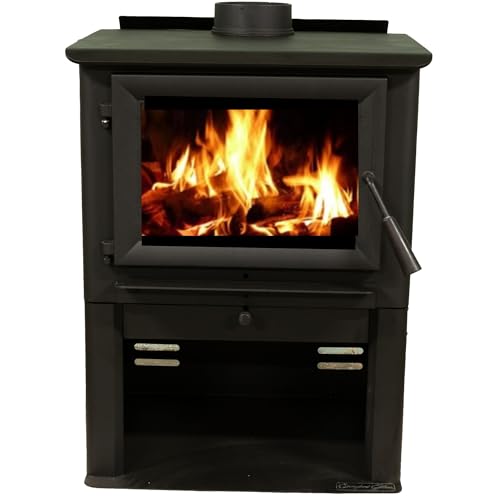
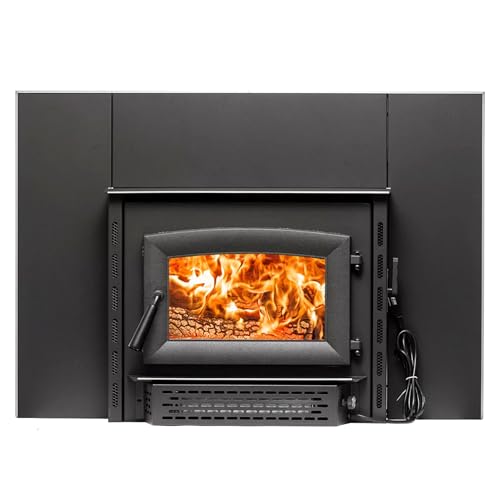
An indoor wood burning stove with a blower combines the timeless appeal of wood heat with modern engineering. While radiant heat from a stove warms objects and people directly, a blower actively circulates heated air throughout your living space. This combination delivers faster warmth, more even temperatures, and better overall efficiency compared to radiant-only models.
If you're researching wood heating options, you've likely discovered that not all stoves perform equally. A blower-equipped model can make a noticeable difference in how quickly your room reaches a comfortable temperature and how effectively heat reaches corners and adjacent spaces. This guide will walk you through everything you need to know before making a decision.
For those comparing heating methods, our electric vs gas vs wood comparison provides valuable context. If you're specifically interested in wood heat, understanding blower functionality is essential for getting the most from your investment.
What Is a Wood Stove Blower?
A blower is an electrically powered fan assembly mounted on or near your wood stove. It draws cooler air from the room, passes it over the heated surfaces of the stove (typically the back, sides, or bottom), and pushes warmed air back into your living space. Unlike the radiant heat that radiates outward in all directions, a blower creates convection currents that distribute heat more evenly.
Most modern indoor wood burning stoves with blower units feature:
- Variable speed control — allowing you to adjust airflow based on heating needs
- Thermostatic operation — automatically activating when the stove reaches a set temperature
- Heat shields — protecting the blower motor from excessive heat
- Quiet operation — typically below 50 decibels on lower settings
Some stoves come with factory-installed blowers, while others offer optional blower kits. If you're exploring different heating solutions, our fireplace blower fan guide explains how these components work across various heating appliances.
Key Benefits of a Wood Stove Blower
Understanding why a blower matters helps you appreciate the value it adds. Here are the primary benefits:
1. Faster Room Heating
Radiant heat warms objects and people directly but takes time to heat the air. A blower accelerates this process by actively moving heated air into your living space. Many users report reaching comfortable temperatures in significantly less time compared to radiant-only operation.
2. More Even Heat Distribution
Without a blower, heat tends to stratify — warmer near the stove and cooler in distant corners. A blower creates air circulation that reduces stratification, delivering more consistent temperatures throughout the room. This is especially valuable in open-concept layouts.
3. Extended Heating Range
If you want to heat adjacent rooms or a larger area, a blower extends your stove's effective range. While it won't replace a central heating system for whole-house coverage, it can make a meaningful difference in how far heat reaches. Our guide on whether a fireplace can heat an entire house explores this topic further.
4. Better Efficiency Perception
While a blower doesn't change combustion efficiency, it maximizes the usable heat you extract from each load of wood. This means you may burn less wood to achieve the same comfort level, which is a practical form of efficiency.
5. Reduced Hot and Cold Spots
By continuously circulating air, a blower minimizes the extreme temperature variations that can make some areas uncomfortably hot while others remain chilly.
Note: A blower requires electricity to operate. During power outages, your stove still functions as a radiant heater, but you'll lose the convection benefits. Some models offer battery backup options.
How a Wood Stove Blower Works
Understanding the mechanics helps you operate and maintain your blower effectively. Here's the basic process:
- Air Intake: The blower draws cooler air from the room through intake vents, typically located at the bottom or sides of the unit.
- Heat Exchange: This air passes over heat exchange surfaces — metal channels or fins that absorb heat from the firebox.
- Air Delivery: The warmed air is pushed out through output vents, usually directed upward or outward into the room.
- Circulation: The continuous cycle creates a convection loop that distributes heat throughout your space.
Most blowers operate automatically via a thermostatic switch (snap disc) that activates when the stove reaches a certain temperature, typically around 110-120°F (43-49°C). This prevents blowing cold air before the stove is warmed up.
Efficiency and Heat Distribution
When evaluating indoor wood burning stoves with blower, it's important to understand the distinction between combustion efficiency and heat distribution efficiency.
Combustion Efficiency
This measures how completely the stove burns wood, converting fuel into heat. Modern EPA-certified stoves achieve 70-80% combustion efficiency. A blower doesn't change this — it's determined by firebox design, air controls, and baffle systems.
Heat Distribution Efficiency
This measures how effectively heat moves from the stove into your living space. Radiant-only stoves may waste heat through the chimney or leave it stratified near the ceiling. A blower improves distribution, making more of the generated heat usable.
| Feature | Without Blower | With Blower |
|---|---|---|
| Heat Distribution | Radiant, localized | Convection, room-wide |
| Warm-Up Time | Slower | Faster |
| Temperature Evenness | Stratified | More consistent |
| Effective Range | Limited | Extended |
| Electricity Required | No | Yes (for blower) |
| Noise Level | Silent | Low hum |
For a broader perspective on heating capacity, our fireplace heating capacity BTU guide explains how to match appliance output to your room size.
Choosing the Right Indoor Wood Burning Stove with Blower
Selecting the right stove involves balancing several factors. Here's what to consider:
Stove Size and Heating Capacity
Wood stoves are rated by BTU output and the square footage they can effectively heat. Undersized stoves struggle in cold weather; oversized stoves may overheat your space and require inefficient low-burning operation. Use our how to size a fireplace guide for detailed calculations.
Blower Type and Features
Consider these blower characteristics:
- Variable speed: Allows fine-tuning airflow and noise
- Thermostatic control: Automatic activation based on temperature
- Noise level: Look for models rated below 50 dB on low
- Power source: Standard AC or optional battery backup
- Serviceability: Easy access for cleaning and replacement
Quality Tiers
Wood stoves with blowers generally fall into these categories:
- Entry-Level — Basic steel construction, simple blower, adequate for occasional use
- Mid-Range — Cast iron or steel with better baffles, quieter blower, thermostatic control
- Premium — Soapstone or cast iron, advanced combustion, premium blower with variable speed
- Luxury — Handcrafted, highest efficiency, whisper-quiet blower, extensive features
Fuel Type and Wood Quality
Seasoned hardwood (oak, maple, ash) burns hotter and cleaner than softwood or green wood. Proper fuel improves efficiency regardless of blower quality. Our wood fireplace maintenance guide covers fuel selection and storage.
Aesthetics and Placement
Wood stoves come in various styles — traditional, contemporary, rustic. Consider how the stove will look in your space. Placement affects heat distribution; central locations work best. For installation guidance, see our built-in vs freestanding comparison.
Installation Requirements
Proper installation is critical for safety and performance. Key requirements include:
Clearances
Wood stoves require specific clearances from combustible materials (walls, floors, furniture). These distances vary by model and are specified in the manufacturer's manual. Reducing clearances typically requires approved heat shields or wall protection.
Chimney and Venting
A properly sized and insulated chimney is essential. Options include:
- Masonry chimney: Traditional, requires liner for optimal performance
- Class A insulated chimney: Prefabricated, easier to install
- Stainless steel liner: For retrofitting existing chimneys
Our do you need a chimney or vent guide explains venting options in detail. For wood stove specifics, see installing a chimney for a wood stove.
Floor Protection
Embers and ash can damage flooring. A non-combustible hearth pad is required beneath and in front of the stove, sized according to local codes and manufacturer requirements.
Electrical Connection
Blowers require a nearby electrical outlet. Most plug into standard 120V outlets; cord length varies. Consider outlet placement during planning.
Professional vs DIY
While some homeowners install stoves themselves, professional installation ensures code compliance and proper venting. Our DIY vs professional installation guide helps you decide. For wood stove specifics, see installing a wood burning stove in an existing fireplace.
Important: Always check local building codes and obtain necessary permits before installation. Improper installation can void insurance and create serious safety hazards.
Maintenance and Care
Regular maintenance keeps your stove and blower performing safely and efficiently. Here's a recommended schedule:
Daily/Weekly Tasks
- Remove ash when it reaches 1-2 inches deep
- Check for embers before emptying ash pan
- Inspect door gasket for wear
Monthly Tasks
- Clean blower intake and output vents
- Check blower for unusual noise or vibration
- Inspect firebrick for cracks
Annual Tasks
- Professional chimney inspection and cleaning
- Deep clean blower blades and housing
- Lubricate blower motor if recommended
- Replace door gasket if worn
- Touch up paint on stove body
Our maintenance schedule guide provides a comprehensive checklist. For seasonal preparation, see fall fireplace inspection and winter fireplace preparation.
Blower-Specific Maintenance
Blowers accumulate dust and ash, reducing performance. To clean:
- Disconnect power before servicing
- Remove blower assembly if accessible
- Use a vacuum with brush attachment to clean blades
- Wipe housing with damp cloth
- Check electrical connections
- Reinstall and test operation
If your blower stops working, our blower fan not working troubleshooting guide can help diagnose issues.
Common Issues and Troubleshooting
Blower Not Turning On
- Check power connection and outlet
- Verify thermostatic switch is functioning (stove hot enough)
- Inspect for tripped circuit breaker
- Test blower motor directly if accessible
Reduced Airflow
- Clean dust and ash from blower blades
- Check for obstructions in intake/output vents
- Verify blower is set to appropriate speed
Excessive Noise
- Lubricate motor if recommended by manufacturer
- Check for loose mounting screws
- Inspect for debris touching fan blades
- Replace worn bearings or motor if necessary
Stove Not Heating Properly
- Ensure dry, seasoned wood is used
- Check air controls for proper operation
- Inspect door gasket for leaks
- Verify chimney draft is adequate
- Clean firebox and flue passages
Our fireplace troubleshooting hub covers additional issues. For smoke problems, see fireplace smoke problem guide. For draft issues, see wood fireplace draft problem.
Ready to Choose Your Wood Stove?
Explore our recommended indoor wood burning stoves with blower below. Each model has been selected for performance, reliability, and value.
View Recommended ModelsFrequently Asked Questions
Final Thoughts
An indoor wood burning stove with blower offers an excellent combination of traditional wood heat ambiance and modern heating performance. The blower transforms a radiant heater into a convection heating system, delivering warmth faster and more evenly throughout your space.
When choosing, prioritize build quality, blower features, and proper sizing for your space. Professional installation and regular maintenance ensure safe, efficient operation for years to come.
Whether you're drawn to the cozy atmosphere of a wood fire or seeking a practical heating solution, a blower-equipped stove delivers both. Explore our recommended models below to find the right fit for your home.