Wall Mounted Electric Fireplace Installation
Your complete guide to planning, installing, and enjoying a wall mounted electric fireplace. Learn the tools, techniques, and safety measures for a professional-looking result.
Why Wall Mounted Electric Fireplaces? They offer a perfect blend of modern aesthetics and practical heating without the need for venting, gas lines, or a chimney. This makes them one of the most versatile and DIY-friendly fireplace options available today. Whether you're a homeowner looking to add ambiance or a renter seeking a temporary heating solution, a wall mounted electric fireplace is an excellent choice.
Understanding Wall Mounted Electric Fireplace Options
Before you begin your installation, it's crucial to understand the different types of wall mounted electric fireplaces available. Each type has its own installation requirements and aesthetic benefits. The two primary categories are wall-mounted (surface-mounted) and recessed (built-in) models.
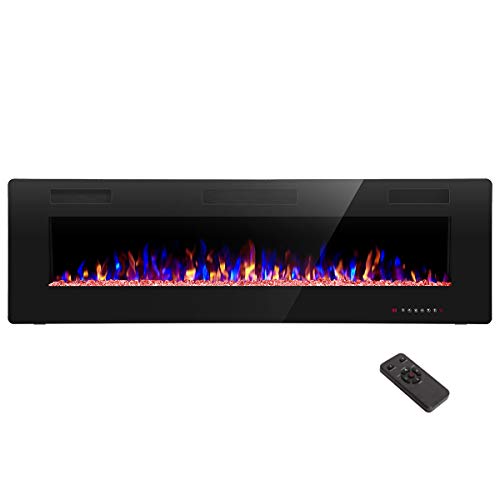
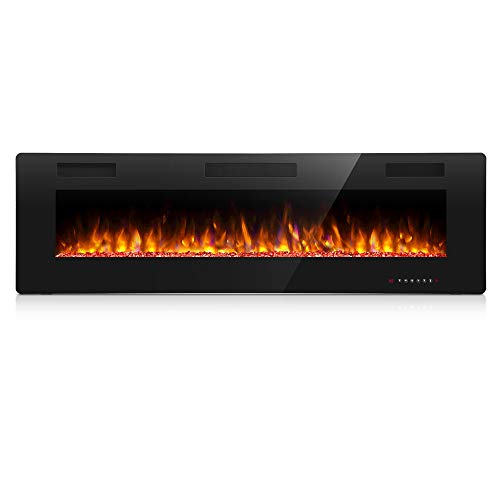
A surface-mounted fireplace hangs directly on your wall, much like a large picture frame. These are the simplest to install and are ideal for renters or those who want a quick upgrade. On the other hand, a recessed unit is installed inside the wall cavity, creating a flush, seamless look that mimics a traditional built-in fireplace. While more complex, a recessed and wall-mounted electric fireplace can dramatically elevate the design of a room.
When selecting a model, consider the realism of the flame effect. Modern units offer incredibly lifelike flames. If realism is your priority, you may want to look for the most realistic wall mount electric fireplace available. For those who want a more traditional look, there are also contemporary electric fireplaces wall mount options that blend modern technology with classic design elements.
Pre-Installation Checklist
Proper preparation is the key to a smooth and safe installation. Before you pick up a drill, go through this essential checklist to ensure you have everything you need and have considered all the important factors.
- Choose the Right Wall: Select an interior wall that can support the weight of the unit. Avoid walls with plumbing, electrical wiring, or ductwork running through them. An exterior wall may be insulated, which can make recessed installation more challenging.
- Proximity to Power: Ensure there is a standard electrical outlet nearby. Most models come with a plug-in cord, so you'll need an outlet within reach. If you plan to hardwire the unit, consult a licensed electrician.
- Clearance Requirements: Check the manufacturer's manual for specific clearance requirements. Typically, you'll need to maintain a safe distance from heat-sensitive materials like curtains, furniture, and electronics. This is especially important if you plan to mount a TV above the fireplace; always follow guidelines for TV above fireplace safety.
- Gather Your Tools: You will likely need a stud finder, a drill with appropriate bits, a level, a pencil, a measuring tape, a screwdriver, and a ladder. For recessed units, you may also need a drywall saw and framing materials.
- Read the Manual: Every fireplace model is slightly different. Always read the manufacturer's installation manual thoroughly before starting.
If you are considering a more complex project, such as placing a unit inside an existing traditional fireplace, the process is different. You can learn more about putting an electric fireplace in a fireplace or installing electric fireplace into existing fireplace in our dedicated guides.
Step-by-Step Installation Guide
This guide covers the installation of a typical surface-mounted electric fireplace. The process for a recessed unit follows similar principles but involves creating a framed opening in the wall.
Plan and Mark the Location
Use a stud finder to locate the wall studs. Decide on the final height and position of your fireplace, keeping in mind viewing angles and clearance from furniture. Use a pencil to mark the mounting bracket's position, ensuring it is perfectly level.
Install the Mounting Bracket
Align the mounting bracket with your marked lines. Secure it to the wall studs using the heavy-duty screws provided by the manufacturer. For added security, especially with larger units, ensure at least two screws are driven firmly into studs.
Hang the Fireplace
With the help of a friend, carefully lift the fireplace unit and hook it onto the mounting bracket. Ensure it is securely seated and check that it is level. Some models may have a locking mechanism to secure the unit to the bracket.
Finalize and Test
Plug the fireplace into a nearby outlet. If your model has a hardwire option and you are not comfortable doing it yourself, hire a professional electrician. Turn on the unit to test the flame effect, heater, and remote control. Make any final adjustments to the flame brightness or color settings.
For those who prefer a completely temporary and non-invasive solution, a contemporary freestanding electric fireplace or a free standing electric fireplace with mantel might be a better fit. These require no wall mounting at all. If you're handy and want to build a custom surround, you might explore a DIY fireplace surround for electric fireplace project. For a complete overview of different installation methods, see our fireplace installation guide overview.
Surface-Mounted vs. Recessed Installation
Choosing between a surface-mounted and a recessed installation is a major decision. The table below compares the two methods to help you determine which is best for your home and skill level. You can also explore a more general comparison in our guide on wall-mounted vs insert vs freestanding fireplace.
| Feature | Surface-Mounted | Recessed (Built-in) |
|---|---|---|
| Installation Complexity | Low – Easy for most DIYers | Moderate to High – Requires framing and drywall work |
| Tools Required | Basic (drill, level, stud finder) | Advanced (drywall saw, framing tools, etc.) |
| Aesthetic | Adds depth to the wall; unit protrudes from the surface | Flush, seamless, and built-in look |
| Best For | Renters, quick upgrades, and easy relocation | Homeowners, permanent installations, and a custom design |
| Time Required | 1–2 hours | Several hours to a full day |
Power and Safety Considerations
Safety should always be your top priority. Electric fireplaces are generally very safe, but it's important to follow these guidelines. For a deeper dive, you can read about whether electric fireplaces really heat a room and other fireplace FAQs.
- Electrical Load: Electric fireplaces, especially those with heaters, draw a significant amount of power. Avoid plugging them into an extension cord or power strip. Always plug the unit directly into a dedicated wall outlet to prevent overheating and tripping circuit breakers. If you experience frequent tripping, see our guide on electric fireplace tripping breaker.
- Hardwiring: Some premium models offer a hardwire option. If you choose this route, it is highly recommended to hire a licensed electrician to ensure the work is done safely and up to code.
- Clearance: Always maintain the minimum clearance from combustible materials as specified in your manual. This is especially important if you have a wall mounted electric fireplace for bedroom, as bedding and curtains can be a hazard if placed too close.
- Carbon Monoxide: Electric fireplaces do not produce carbon monoxide, making them a safe choice for any room. You can learn more in our article on whether electric fireplaces produce CO.
Maintenance and Troubleshooting
Wall mounted electric fireplaces are known for their low maintenance. However, occasional care will ensure it operates efficiently for years to come. For a complete schedule, refer to our electric fireplace maintenance guide and fireplace maintenance schedule.
- Cleaning: Dust the exterior with a soft, dry cloth. Before cleaning the glass, ensure the unit is unplugged and completely cool. Use a non-ammonia glass cleaner for a streak-free shine. For more details, see our guide on how to clean fireplace glass.
- Inspection: Periodically check the power cord for any damage. Ensure the vents are not blocked by dust or debris. For a thorough checklist, see our electric fireplace inspection guide.
- Common Issues: If your fireplace isn't heating, the flame isn't working, or the remote control fails, don't worry. Many issues have simple fixes. Check out our guides on electric fireplace not heating, electric fireplace flame not working, and how to fix an electric fireplace remote.
Ready to Choose Your Wall Mounted Electric Fireplace?
Now that you understand the installation process, it's time to find the perfect model for your home. Our curated list of recommended products can help you make the right choice.
View Recommended FireplacesFrequently Asked Questions
Can I install a wall mounted electric fireplace myself?
Yes, most wall mounted electric fireplaces are designed for DIY installation. They typically require basic tools and no specialized skills, as they do not need venting or gas lines. Always follow the manufacturer's instructions and ensure the wall can support the unit's weight.
Do wall mounted electric fireplaces need to be hardwired?
Most models are plug-and-play, simply plugging into a standard household outlet. Some higher-end or recessed models can be hardwired for a cleaner look, which may require a professional electrician. For more information on installation types, see our plug-and-play installation guide.
What is the difference between wall-mounted and recessed installation?
Wall-mounted fireplaces hang on the wall surface, while recessed models are built into the wall for a flush, seamless appearance. Recessed installation is more complex and may require framing and drywall work. You can learn more in our built-in vs freestanding fireplace comparison.
How do I know which size electric fireplace to choose?
Consider the size of your room and the visual impact you want. A good rule of thumb is to use our how to size a fireplace guide. Also, consider the heating capacity; you can learn about this in our fireplace heating capacity and BTU guide.