Freestanding Ventless Gas Fireplace: The Ultimate Guide
Discover the freedom of a freestanding ventless gas fireplace. Learn how these versatile units combine the charm of a traditional stove with modern convenience, offering flexible placement and efficient heating without the need for a chimney or vent.
A freestanding ventless gas fireplace is a revolutionary heating solution that offers the aesthetic appeal of a real fire without the architectural constraints of a traditional chimney. These units are self-contained, meaning they can be placed almost anywhere in your home, from a living room corner to a sunroom or even a basement. Unlike built-in models, a freestanding unit stands on its own, making it a perfect choice for renters, homeowners with limited space, or anyone looking to add warmth and ambiance to a room without a major renovation. This guide will walk you through everything you need to know about these versatile fireplaces, from how they work to what to consider before buying.
What Exactly Is a Freestanding Ventless Gas Fireplace?
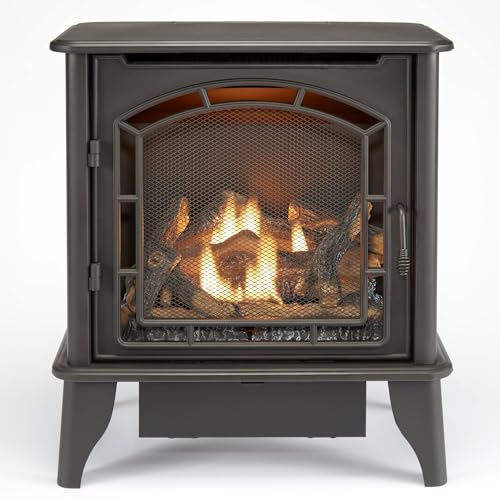
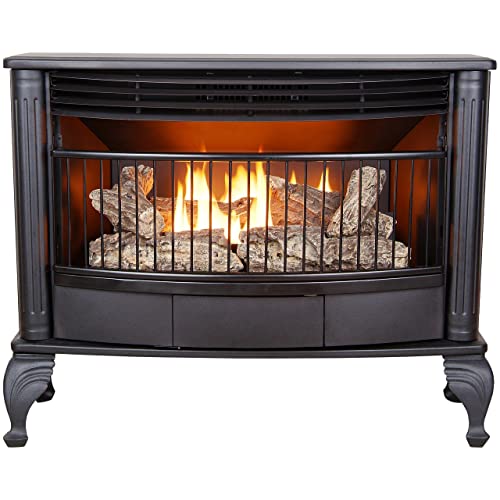
A freestanding ventless gas fireplace, often referred to as a vent-free gas stove, is a heating appliance that burns natural gas or propane to produce a real flame. The term "ventless" (or vent-free) means it does not require a chimney, flue, or external vent to exhaust byproducts. Instead, it is designed to burn fuel so efficiently that the combustion byproducts are considered safe to release into the room. This technology allows for 99.9% fuel efficiency, as virtually all the heat stays in your home rather than escaping up a chimney. This makes them an excellent choice for energy-efficient heating. They are distinct from built-in units, which are integrated into a wall or existing fireplace structure.
How Do Ventless Gas Fireplaces Work?
The core of a ventless system is its advanced combustion engineering. The unit features a burner that mixes gas with air in precise proportions, creating a clean-burning flame. As the gas burns, it produces heat, water vapor, and a small amount of carbon dioxide—all of which are released into the room. To ensure safety, these units are equipped with an Oxygen Depletion Sensor (ODS) pilot light. This safety device monitors the oxygen level in the room. If oxygen levels drop below a safe threshold, the ODS automatically shuts off the gas supply. This makes them a safe option for most homes, provided they are installed and used according to the manufacturer's guidelines. You can learn more about the general safety of these systems in our Fireplace FAQ section.
Key Benefits of Choosing a Freestanding Ventless Gas Fireplace
Opting for a freestanding ventless model comes with a unique set of advantages that make it a compelling choice for many homeowners.
- Installation Flexibility: With no need for a chimney or vent, you can place these fireplaces in almost any room. This makes them ideal for apartment fireplace installation or for adding heat to a room that lacks existing infrastructure.
- High Efficiency: Because no heat is lost through a chimney, 99.9% of the heat generated is delivered to your room. This can lead to significant savings on your heating bills compared to traditional fireplaces.
- Cost-Effective Installation: The absence of venting requirements drastically reduces the complexity and overall cost of installation, making it a budget-friendly option for adding a fireplace to your home.
- Aesthetic Appeal: Modern freestanding units are designed to be attractive focal points, with realistic logs, glowing embers, and dancing flames. They offer the charm of a wood stove or fireplace without the mess of ash and soot.
- Zone Heating: These units are perfect for zone heating, allowing you to warm only the rooms you are using, which is often more efficient than heating your entire home. This is a key aspect of our fireplace energy-saving tips.
Important Considerations Before You Buy
While the benefits are clear, there are several critical factors to consider to ensure you make the right choice for your home and lifestyle.
Safety and Ventilation
Ventless fireplaces are safe when used correctly. However, they consume oxygen from the room and release water vapor. It is crucial to follow the manufacturer's guidelines regarding room size (usually specified in cubic feet) and to never use them in small, tightly sealed spaces like bedrooms or bathrooms unless explicitly approved. Always keep the area around the unit clear of flammable materials. For more details, review our guide on fireplace ventilation requirements.
Sizing and Heating Capacity
Choosing the right size is essential for both safety and comfort. A unit that is too small won't heat the room effectively, while one that is too large can overheat the space and may not burn efficiently. The heating capacity is measured in BTUs (British Thermal Units). To find the right size, you'll need to calculate the BTU requirement for your room. Our Heating Capacity (BTU) Guide can help you with this calculation.
Fuel Type: Natural Gas vs. Propane
Freestanding ventless fireplaces can run on either natural gas or propane. If you have a natural gas line available, it offers the convenience of a never-ending fuel supply. If not, propane is a great alternative, though you will need to manage a tank refill schedule. Our article on Propane vs Natural Gas Fireplace provides a detailed comparison.
Placement and Clearances
Since these units are freestanding, you need to consider placement carefully. They should be positioned on a level, non-combustible floor or hearth. Maintain the required clearances from walls, furniture, and curtains as specified in the manual. A common question is how close furniture can be, which you can learn more about in our guide on Furniture Distance from Fireplace. You can find more tips in our general Fireplace Buying Guide.
Installation: What to Expect
One of the biggest draws of a freestanding ventless gas fireplace is its relatively straightforward installation. However, it is not a do-it-yourself project for most homeowners due to the need for a gas line connection. Professional installation is highly recommended and often required by local codes.
The process generally involves:
- Placement and Clearance Check: Ensuring the chosen location meets all safety clearances.
- Gas Line Connection: A licensed technician will connect the unit to your existing gas line or a new propane tank. This is a critical safety step.
- Leak Testing: Thorough testing of all connections to ensure there are no gas leaks.
- Assembly and Testing: Assembling the logs and embers, and then testing the ignition, flame pattern, and ODS sensor.
For a broader overview of the installation process for different fireplace types, see our Installation Guide. If you are considering a DIY approach for other projects, you might be interested in our DIY Gas Fireplace article, but remember that gas work should always be left to the professionals.
Maintenance and Troubleshooting
To keep your freestanding ventless gas fireplace running safely and efficiently, a little routine maintenance is essential. This includes cleaning the glass (if equipped), dusting the logs and burner area, and having the unit inspected annually by a qualified technician. Our Gas Fireplace Maintenance Guide provides a detailed checklist.
If you ever encounter issues, such as the pilot light going out or a weak flame, it's important to know what to do. Common problems are often easily resolved. For instance, a pilot light that keeps going out might be due to a dirty ODS sensor. You can find helpful advice in our Fireplace Troubleshooting section, particularly for issues like a gas fireplace that won't light or a pilot light that keeps going out. Always consult a professional for any repairs involving gas components.
Design and Placement Ideas
A freestanding ventless gas fireplace is a versatile design element. Here are a few ideas for incorporating one into your home:
- The Cozy Corner: Place it in a corner of your living room to create a warm, intimate reading nook. This is a great alternative to a corner fireplace.
- The Sunroom Retreat: A freestanding unit is perfect for a sunroom or screened-in porch, allowing you to extend the use of the space into cooler months. This is similar to the concept of an outdoor fireplace for a screened-in porch.
- The Bedroom Warmth: For a touch of luxury and warmth, a small ventless unit can be a beautiful addition to a master bedroom, though you must check local codes and manufacturer guidelines for bedroom use. See our Electric Fireplace for Bedroom Wall for a related concept.
- The Basement Bonus: Transform a cold, unused basement into a cozy family room with the addition of a freestanding gas fireplace.
Our Top Freestanding Ventless Gas Fireplace Recommendations
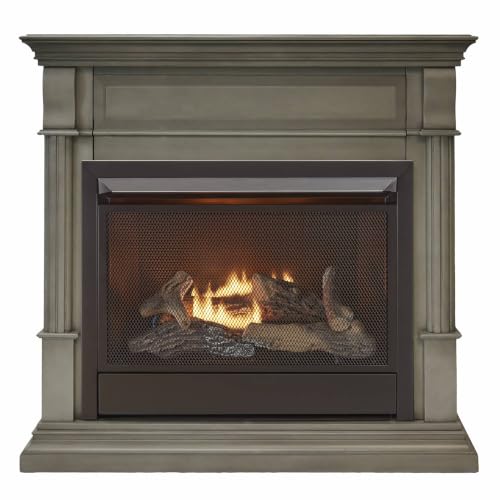
When shopping for a freestanding ventless gas fireplace, you'll find a range of options from entry-level to premium. Key features to look for include the heating capacity (BTU), the realism of the flame and logs, and the included features like thermostats and remote controls. For models that can help distribute heat more effectively, consider one with a blower, like a freestanding ventless gas fireplace with blower. The products below are selected to give you a starting point for your research, covering a variety of styles and feature sets.
As you compare, think about how the unit will be used. Is it for primary heating or just ambiance? This will guide you toward the right model. For more help, you can refer to our guide on the best fireplace for actual heating.