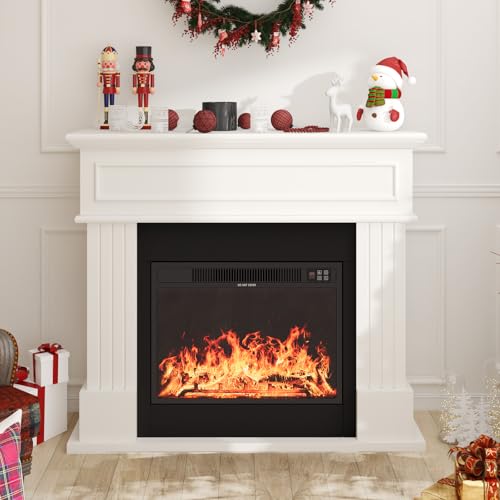
Stand Alone Electric Fireplace Indoor: Complete Guide
Discover the freedom of a freestanding electric fireplace. No venting, no chimney, no renovation — just plug in, relax, and enjoy realistic flames and efficient warmth anywhere in your home.
START EXPLORINGWhy Choose a Stand Alone Electric Fireplace for Indoor Use?
A stand alone electric fireplace indoor unit is the ultimate solution for homeowners who want the charm of a fireplace without the cost, commitment, or complexity of a built-in installation. Unlike traditional wood-burning or gas fireplaces that require chimneys, venting, and professional installation, a freestanding electric fireplace simply plugs into a standard household outlet.
These units have become increasingly popular because they offer remarkable versatility. You can place them in a living room, bedroom, home office, or even a dining area. They are ideal for apartment fireplace installation where structural modifications are not allowed. Whether you are renting or own your home, a freestanding electric fireplace gives you the ambiance of a real fire without any of the drawbacks.
Modern freestanding electric fireplaces have also evolved dramatically in terms of realism. Today's most realistic freestanding electric fireplace models feature advanced LED flame technology, crackling sound effects, and even water-vapor flame systems that mimic the look of a real fire with astonishing accuracy.
How Stand Alone Electric Fireplaces Work
Understanding the technology behind a freestanding electric fireplace helps you make an informed decision. These units operate using two primary systems: the flame effect and the heating element.
- Flame Effect: Most models use LED lights reflecting off rotating mirrors or spindles to create the illusion of dancing flames. Premium models may use water vapor technology, where LED lights illuminate a fine mist to produce a flame that looks and moves like the real thing.
- Heating Element: The heating component is typically a fan-forced heater or an infrared quartz heater. Fan-forced models blow warm air into the room, while infrared models use quartz tubes to emit radiant heat. Many units allow you to operate the flame effect independently of the heater, so you can enjoy ambiance year-round.
- Thermostat and Remote: Most modern units include an adjustable thermostat and a remote control, allowing you to set your desired temperature and control the unit from across the room. For more details, see our guide on electric fireplace remote fixes if you ever encounter issues.
Key Benefits of Freestanding Electric Fireplaces
Choosing a stand alone electric fireplace indoor model offers several advantages over other fireplace types:
- No Venting or Chimney Required: As confirmed in our guide on whether fireplaces need a chimney, electric models do not produce smoke or harmful gases, so no venting is necessary.
- Easy Installation: Simply plug into a standard outlet. No permits, no professional installation, no structural changes. Learn more in our electric fireplace installation plug-and-play guide.
- Portability: You can move your freestanding fireplace from room to room as your needs change. This flexibility is unmatched by built-in units.
- Energy Efficiency: Electric fireplaces are nearly 100% energy efficient because all the electricity consumed is converted into heat. You can also run the flame effect without heat, consuming only a few watts. Check our most energy-efficient fireplace types for comparisons.
- Safety: Electric fireplaces produce no carbon monoxide, no open flames, and no creosote. They are safe for households with children and pets. Our article on whether electric fireplaces produce CO explains this in detail.
- Cost-Effective: The fireplace cost breakdown shows that electric models are generally more affordable to purchase and install than gas or wood-burning alternatives.
Types of Stand Alone Electric Fireplaces
Freestanding electric fireplaces come in several styles and configurations. Here are the most common types:
1. Traditional Freestanding Stove Style
These units mimic the look of a classic wood-burning stove. They typically feature a black cast-iron or steel body with a glass window that displays the flame effect. Some models, like the electric fireplace that looks like a wood-burning stove, are designed to replicate the aesthetic of a traditional stove while offering the convenience of electricity.
2. Contemporary Freestanding Fireplaces
Modern freestanding electric fireplaces often feature sleek, minimalist designs with linear flame displays and reflective glass. The contemporary free-standing electric fireplace is perfect for modern interiors.
3. Mantel-Style Freestanding Fireplaces
These units combine a fireplace with a mantel, providing a traditional focal point for your room. Many models include built-in shelves or storage. For example, the best freestanding electric fireplace with mantel options offer both style and functionality.
4. Corner Freestanding Fireplaces
Designed to fit snugly into corners, these units maximize space in smaller rooms. If you have a corner space, a corner electric fireplace for bedroom can be an excellent choice.
What to Look For in a Stand Alone Electric Fireplace
When shopping for a freestanding electric fireplace, consider the following factors:
| Feature | Entry-Level | Mid-Range | Premium / Luxury |
|---|---|---|---|
| Flame Realism | Basic LED, limited movement | Multi-color LED, adjustable brightness | Water-vapor or 3D flame, crackling sound |
| Heating Capacity | Up to 400 sq ft | Up to 1,000 sq ft | Up to 1,000+ sq ft with zone heating |
| Thermostat | Manual dial | Digital with remote | Smart Wi-Fi / app control |
| Build Quality | Plastic or thin metal | Steel with glass front | Cast iron, solid wood mantel |
| Additional Features | Basic on/off | Timer, adjustable flame | Bluetooth speakers, mood lighting |
For a deeper dive into heating capacity, consult our fireplace heating capacity BTU guide. If you are unsure about the right size for your space, our how to size a fireplace article provides a simple formula.
Installation and Placement Tips
One of the biggest advantages of a stand alone electric fireplace indoor unit is the ease of installation. Here are some practical tips:
- Choose the Right Location: Place your fireplace on a level, non-combustible surface. Avoid placing it in high-traffic areas where it could be tipped over.
- Maintain Clearance: Keep furniture and curtains at a safe distance. Our guide on furniture distance from fireplace provides specific recommendations.
- Power Requirements: Most units run on standard 120V outlets. However, high-wattage models may require a dedicated circuit. If you experience issues, see our article on electric fireplace tripping breaker.
- Stability: If you have children or pets, consider anchoring the unit or choosing a model with a tip-over safety switch.
- Placement in Small Spaces: For apartments or small rooms, a small electric fireplace with storage can be a space-saving solution.
Maintenance and Care
Electric fireplaces are low-maintenance, but a few simple steps will keep yours running smoothly for years:
- Dust Regularly: Use a soft cloth or vacuum brush attachment to clean the exterior and vents. Refer to our cleaning electric fireplace guide for detailed instructions.
- Inspect the Cord: Periodically check the power cord for damage. Replace if necessary.
- Clean the Glass: If your unit has a glass front, clean it with a non-ammonia glass cleaner. Our article on how to clean fireplace glass offers step-by-step advice.
- Annual Inspection: While electric fireplaces have fewer components than gas or wood models, an annual check of the wiring and heater is still a good idea. See our electric fireplace inspection guide.
For a comprehensive maintenance schedule, visit our fireplace maintenance schedule page.
Common Issues and Troubleshooting
Even the most reliable electric fireplaces can encounter occasional issues. Here are some common problems and solutions:
- Fireplace Not Heating: Check the thermostat setting and ensure the heater is turned on. If the issue persists, see our guide on electric fireplace not heating.
- Flame Not Working: If the flame effect stops but the heater works, the LED module may need replacement. Read our article on electric fireplace flame not working.
- Remote Not Working: Replace the batteries and ensure the remote is pointed at the sensor. For more help, visit electric fireplace remote fix.
- Buzzing Noise: A slight hum is normal, but loud buzzing may indicate a fan issue. See electric fireplace buzzing noise for diagnosis.
- Resetting the Unit: If your fireplace becomes unresponsive, try unplugging it for 30 seconds and plugging it back in. Our guide on how to reset an electric fireplace explains this process.
Safety Considerations for Indoor Use
Electric fireplaces are among the safest fireplace options, but safety should always be a priority:
- No Carbon Monoxide: Electric fireplaces do not produce carbon monoxide. Learn more in our article on electric fireplace carbon monoxide.
- Safe Around Children and Pets: The exterior of most electric fireplaces remains cool to the touch, but the heater vent can get warm. Keep children and pets away from the vent.
- Overnight Use: Many modern units are safe to leave on overnight, but always follow the manufacturer's instructions. See our guide on leaving a fireplace on overnight.
- Sleeping with the Fireplace On: If you plan to sleep with your fireplace on, ensure it has an automatic shut-off timer. Read more at sleeping with fireplace on.
- Ember Safety: Electric fireplaces do not produce real embers, but if you have a unit with a glowing ember bed, ensure it is securely enclosed.
Cost and Energy Efficiency
Understanding the fireplace daily running cost helps you budget effectively. Electric fireplaces are generally inexpensive to run compared to gas or propane models.
- Purchase Cost: Entry-level freestanding electric fireplaces are budget-friendly, while premium models with advanced features fall into the mid-range to luxury tiers.
- Installation Cost: Minimal to none. You may need to purchase a surge protector or extension cord. See cost to install an electric fireplace for a detailed breakdown.
- Running Cost: Electric fireplaces typically consume between 750 and 1,500 watts. If you use the heater for a few hours a day, the impact on your electricity bill is modest. Our article on are electric fireplaces expensive to run provides a thorough analysis.
- Long-Term Savings: Because they require no fuel, no chimney cleaning, and minimal maintenance, electric fireplaces often save money over time. See which fireplace saves money long-term.
How Stand Alone Electric Fireplaces Compare
Wondering how freestanding electric fireplaces stack up against other options? Here is a quick comparison:
| Feature | Stand Alone Electric | Built-In Electric | Gas Fireplace | Wood Fireplace |
|---|---|---|---|---|
| Installation | Plug and play | Recessed, requires framing | Professional, venting required | Professional, chimney required |
| Venting | None | None | Required | Required |
| Portability | High | None | None | None |
| Maintenance | Very low | Very low | Moderate | High |
| Realism | Good to excellent | Good to excellent | Excellent | Excellent |
| Heat Output | Up to 1,000 sq ft | Up to 1,000 sq ft | Up to 2,000+ sq ft | Up to 2,000+ sq ft |
For a more detailed comparison, see our article on electric vs gas vs wood fireplace comparison.
Ready to Find Your Perfect Freestanding Electric Fireplace?
Explore our top recommendations below. Whether you need a compact unit for a small apartment or a statement piece for your living room, we have you covered.
VIEW RECOMMENDED PRODUCTS