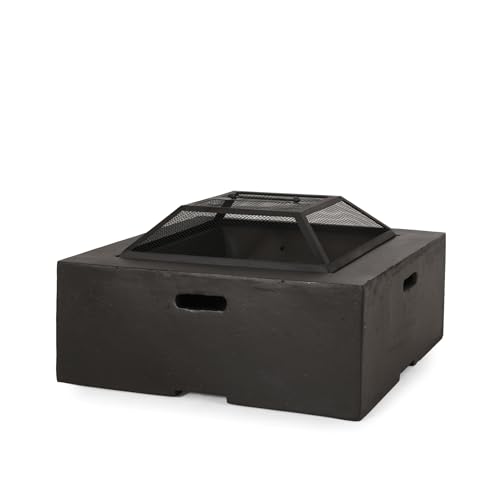
Stamped Concrete Patio with Fire Pit
Transform your backyard into a year-round gathering place. This complete guide covers stamped concrete patterns, fire pit integration, installation steps, safety clearances, and product recommendations to help you build the perfect outdoor retreat.
Why Choose Stamped Concrete for Your Fire Pit Patio?
Stamped concrete has become the go-to choice for outdoor entertaining spaces because it mimics the look of natural stone, slate, brick, or wood at a fraction of the maintenance. When paired with a fire pit, it creates a cohesive, custom appearance that stands up to heat, weather, and heavy foot traffic.
Design Versatility
Stamped concrete can replicate almost any natural material — from ashlar slate to cobblestone — allowing you to match your home's architecture without the cost and upkeep of real stone.
Durability
A properly sealed stamped concrete patio resists cracking, fading, and freeze-thaw damage. With periodic resealing, it can last decades with minimal repair.
Low Maintenance
Unlike pavers that shift or wood decks that splinter, stamped concrete needs only occasional cleaning and resealing — no weed pulling or board replacement.
Seamless Integration
Because concrete is poured as a single slab, you can integrate a fire pit ring, seating walls, and step-downs into one continuous design without visible seams.
Best Stamped Concrete Patterns for Fire Pit Areas
The pattern you choose sets the tone for the entire patio. Here are the most popular options for fire pit surroundings, ranked by their visual impact and practical performance.
-
Ashlar Slate A classic, irregular stone look that pairs beautifully with both modern and traditional homes. Excellent slip resistance.
-
Herringbone Brick Warm, timeless, and ideal for rustic or cottage-style outdoor spaces. The interlocking pattern adds visual movement.
-
Random Stone Natural, organic appearance that blends seamlessly with landscaping. Great for free-form patio shapes.
-
Wood Plank Offers the warmth of a deck without the maintenance. A popular choice for covered patios and transitional spaces.
-
Cobblestone Old-world charm with a textured surface. Provides good grip and a cozy, European feel around a fire pit.
-
Large Format Slate Clean, contemporary lines for modern outdoor rooms. Minimal grout lines create a sleek, upscale look.
Fire Pit Options for Stamped Concrete Patios
Your fire pit choice affects everything from installation complexity to long-term maintenance. Here are the main options, along with their ideal use cases.
Wood-Burning Fire Pit
Authentic crackling flames and rustic appeal. Requires a spark screen, proper clearance, and regular ash cleanup. Best for homeowners who enjoy the traditional fire experience.
Propane Fire Pit
Instant ignition, clean burn, and no ash. Ideal for patios where smoke sensitivity is a concern. Requires a propane tank or natural gas line connection.
Natural Gas Fire Pit
Permanent, convenient, and cost-effective to operate long-term. Needs a gas line run to the patio, so plan this during the concrete pour.
Electric Fire Pit
Plug-and-play convenience with no fuel storage. Best for smaller patios or renters who want ambiance without permanent installation.
If you're exploring propane options, our guide to converting a wood fire pit to propane walks through the conversion process. For natural gas installations, proper gas line installation is essential for safe operation.
Layout and Design Considerations
The success of a stamped concrete patio with a fire pit depends on thoughtful planning before the first pour. Consider these key factors:
Patio Size
Allow at least 3 feet of clearance around the fire pit for seating, and 7 feet for comfortable circulation. A 12x12-foot patio is a practical minimum for a small gathering space.
Fire Pit Placement
Position the fire pit away from overhead structures, low-hanging branches, and property lines. Check local codes for minimum distance requirements.
Seating Integration
Built-in concrete benches or seat walls create a seamless look and eliminate the need for separate furniture. Consider furniture arrangement principles for comfortable conversation flow.
Lighting & Electrical
Plan conduit for low-voltage lighting, outlets, and any electric fire pit components before the concrete is poured. Retrofitting later is costly and disruptive.
Pros and Cons of Stamped Concrete Patios with Fire Pits
✓ Advantages
- Customizable colors, patterns, and textures
- Durable and long-lasting with proper sealing
- Low maintenance compared to pavers or wood
- Seamless integration with fire pit and seating
- Increases outdoor living space and home value
- Resistant to weeds, insects, and rot
✕ Disadvantages
- Higher upfront cost than plain concrete
- Requires periodic resealing every 2–3 years
- Can crack if subbase is not properly prepared
- Slippery when wet if not textured or sealed correctly
- Difficult to repair if damaged — patching is visible
- Installation is weather-dependent
Stamped Concrete Patio Cost Tiers
Understanding the relative cost tiers helps you plan your project without getting locked into specific figures. The table below uses universal quality descriptors that remain relevant regardless of market fluctuations.
| Quality Tier | Typical Features | Best For |
|---|---|---|
| Entry-Level | Single stamp pattern, basic color, standard sealer | Simple patios with minimal detailing |
| Mid-Range | Two-tone color, release agent, enhanced texture, quality sealer | Most residential fire pit patios |
| Premium | Custom patterns, integral color, stamped borders, high-performance sealer | High-end outdoor living spaces |
| Luxury | Hand-carved detailing, multiple patterns, integrated lighting, premium finishes | Custom estate or resort-style patios |
For a broader perspective on outdoor project planning, our fireplace cost breakdown offers related guidance on budgeting for fire features. If you're considering a fire pit as part of a larger outdoor kitchen, see our outdoor kitchen and fireplace ideas for inspiration.
Installation Process: Step by Step
While professional installation is recommended for structural and safety reasons, understanding the process helps you communicate with contractors and make informed decisions.
-
Site Planning and Permits
Determine patio dimensions, fire pit location, and utility routes. Check local building codes for permit requirements, especially for gas or wood-burning fire pits.
-
Excavation and Grading
Remove topsoil to the required depth, typically 6–8 inches for a patio with a fire pit. Ensure proper drainage away from the house and patio area.
-
Base Preparation
Compact a layer of crushed gravel or road base. This subbase prevents settling and cracking, which is especially important under the weight of a fire pit.
-
Formwork and Reinforcement
Build wooden forms to define the patio shape. Install rebar or wire mesh for structural reinforcement, and place conduit for electrical or gas lines if needed.
-
Concrete Pour and Stamping
Pour the concrete mix, screed it level, and apply color hardener. Once the surface is ready, press stamping mats into the concrete to create the desired pattern.
-
Fire Pit Construction
Build the fire pit ring using concrete blocks, brick, or stone. For gas fire pits, install the burner and gas line before finishing the surround. For wood-burning pits, ensure proper ventilation and a heat-resistant liner.
-
Curing, Sealing, and Finishing
Allow the concrete to cure for at least 7 days. Apply a high-quality sealer to protect against stains, moisture, and UV fading. Install any lighting or accessories.
Safety and Maintenance
Proper safety measures and routine maintenance keep your stamped concrete patio and fire pit in top condition for years.
Clearance Distances
Maintain at least 10 feet of clearance from structures, and 3 feet from combustible materials. For wood-burning pits, check local burn bans and HOA rules.
Heat Protection
Use a fire pit pad or heat shield under portable fire pits to prevent scorching the concrete surface. Built-in pits should have a fire brick liner.
Sealing Schedule
Reseal stamped concrete every 2–3 years, or more often in high-traffic areas. A fresh sealer coat enhances color and protects against freeze-thaw damage.
Seasonal Care
Cover or store portable fire pits during winter. For built-in pits, remove ash and debris, and inspect the concrete for cracks before the first freeze.
For related outdoor maintenance guidance, see our outdoor fireplace maintenance tips. If you're adding a fire pit to an existing screened porch, our outdoor fireplaces for screened porches guide covers specific considerations.
Ready to Build Your Dream Patio?
Explore our recommended fire pits and outdoor heating products below. Whether you prefer the simplicity of propane or the authenticity of wood-burning, we've curated options for every patio style.
View Recommended Fire Pits ↓