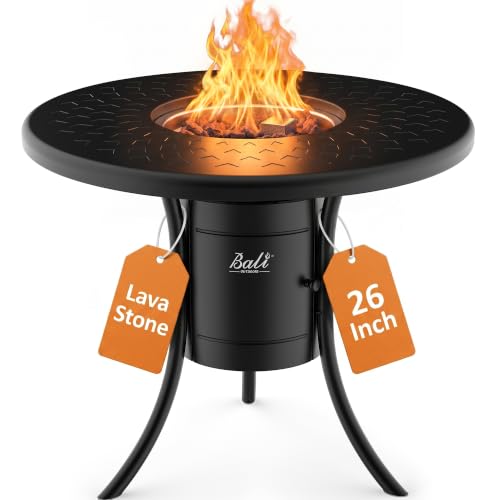
Converting Wood Fire Pit to Propane: A Complete Guide
Discover the benefits, process, and essential components for converting your wood-burning fire pit into a clean, convenient propane-powered feature.
Why Convert to Propane? Converting a wood fire pit to propane offers instant ignition, consistent heat, and no ash or smoke. This guide will walk you through the entire process, from choosing the right conversion kit to safe installation.
Why Convert Your Wood Fire Pit to Propane?
Wood-burning fire pits offer a traditional charm, but they come with drawbacks: smoke, ash cleanup, and the need for a constant supply of dry firewood. Converting to propane eliminates these issues, providing a clean, instant, and controllable flame. This makes your outdoor space more enjoyable and easier to maintain, especially if you use it frequently. For those considering a larger change, understanding the process of converting a wood-burning fireplace to electric can offer similar benefits for indoor spaces.
Essential Components for a Propane Conversion
A successful conversion requires more than just a propane tank. You'll need a specialized burner kit designed for outdoor use. These kits typically include a burner ring, a gas valve, a hose, and a regulator. The quality of these components varies; entry-level kits are functional, while premium kits offer more durable materials like stainless steel and better flame control. It's crucial to choose a kit rated for the correct BTU output to match the size of your fire pit. For a seamless look, you might also consider adding fireplace glass doors for gas fireplace if your fire pit has an enclosure, though most open fire pits won't require this.
You'll also need to consider the fuel source. Propane tanks come in various sizes, from standard 20-pound grill tanks to larger, refillable cylinders. The size you choose depends on how often you plan to use the fire pit and the BTU rating of your burner. A higher BTU burner will consume propane more quickly, requiring a larger tank or more frequent refills. For a more permanent setup, a free-standing outdoor propane fireplace might be a better alternative than converting an existing pit.
Step-by-Step Conversion Process
Step 1: Safety First. Always work in a well-ventilated area away from any ignition sources. Ensure your propane tank is turned off and disconnected before starting any work.
Step 2: Prepare Your Fire Pit. Remove any leftover ash, wood, or debris from your fire pit. The interior should be clean and dry. If your fire pit has a grate, you may need to remove it to accommodate the new burner.
Step 3: Install the Burner Kit. Position the propane burner ring in the center of your fire pit. Many kits come with mounting brackets or legs to secure it. Ensure the burner is level and stable. Connect the gas hose to the burner and the regulator to the propane tank.
Step 4: Add Fire Media. To create a realistic look and help distribute the flame, add a layer of fire media over the burner. Lava rock, fire glass, or ceramic logs are popular choices. For a truly authentic appearance, you might explore options like ceramic fireplace logs, which are designed to withstand high temperatures.
Step 5: Leak Test. This is a critical step. Turn on the propane tank and apply a soapy water solution to all connections. If bubbles appear, there is a leak. Tighten the connection and retest. Never use a fire pit with a known gas leak. For more detailed safety checks, refer to our gas fireplace inspection guide, as many principles apply.
Step 6: Test the Flame. Once you are confident there are no leaks, use a long lighter or a built-in igniter to light the burner. Adjust the flame height using the control valve. The flame should be mostly blue with some yellow tips, indicating efficient combustion. A weak or mostly yellow flame can indicate a problem, similar to issues found in gas fireplace weak flame troubleshooting.
Maintenance and Safety After Conversion
Maintaining your propane fire pit is simpler than a wood-burning one. Regularly check the burner for blockages and clean it with a soft brush. Inspect the hose and regulator for signs of wear or cracking. Store your propane tank outdoors in an upright position, away from direct sunlight and heat sources. It's also wise to follow a seasonal fireplace checklist to prepare your fire feature for different weather conditions. For comprehensive care, see our outdoor fireplace maintenance tips.
Always prioritize safety. Never leave a lit fire pit unattended, and keep children and pets at a safe distance. If you ever smell gas, turn off the tank immediately and do not attempt to light the fire pit until the leak is fixed. Familiarize yourself with the signs of a problem by reviewing resources like our guide on what to do if your fireplace smells like gas.
Is a Propane Conversion Right for You?
Converting a wood fire pit to propane is a rewarding project that can transform your outdoor living space. It offers convenience, cleanliness, and instant ambiance. While the initial investment in a conversion kit and propane tank may be higher than a cord of wood, the long-term ease of use and reduced maintenance often justify the cost. If you're looking for a low-maintenance, reliable fire feature, a propane conversion is an excellent choice. For those who prefer a more permanent structure, exploring options like a propane ventless heater with thermostat could provide efficient heating for a patio or screened-in porch.