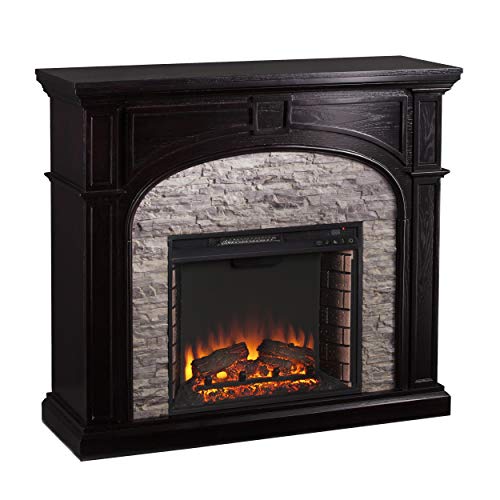
Stacked Stone Veneer Fireplace Surround
Transform your fireplace with the timeless beauty of stacked stone. Learn how to choose, install, and maintain a stunning stone veneer surround that adds warmth and value to your home.
START YOUR PROJECTWhy Stacked Stone? A stacked stone veneer fireplace surround brings a natural, textured elegance that instantly becomes the focal point of any room. Whether you're drawn to the rugged charm of ledgestone or the sleek lines of modern quartzite, this guide will walk you through everything you need to know—from material selection to installation and long-term care.
📋 What You'll Learn
What Is a Stacked Stone Veneer Fireplace Surround?
A stacked stone veneer fireplace surround is a decorative facing made from thin, layered pieces of natural or manufactured stone. These pieces are arranged in a tightly stacked, horizontal or vertical pattern that mimics the look of dry-stacked stone walls. Unlike full-thickness stone, veneer is lightweight—typically 1 to 3 inches thick—making it suitable for remodeling projects without requiring extensive structural reinforcement.
The "surround" refers to the area immediately around the firebox, including the sides and often extending up to the mantel or ceiling. This creates a cohesive, dramatic focal point that can complement both modern and traditional interiors. Whether you're updating an existing fireplace or designing a new one, stacked stone veneer offers a versatile and visually striking option.
For homeowners exploring broader fireplace design concepts, understanding how a surround fits into the overall aesthetic is key. You might also consider complementary elements like fireplace with bookshelves on each side to balance the visual weight of a stone surround, or explore living room with fireplace and TV ideas to integrate your new stone feature seamlessly into your living space.
Types of Stacked Stone Veneer
Not all stacked stone veneers are created equal. The material you choose affects appearance, durability, maintenance, and installation complexity. Here are the main categories:
1. Natural Stone Veneer
Cut from real stone such as granite, quartzite, sandstone, or slate. Each piece is unique, offering authentic color variations and texture. Natural stone is typically the premium option, known for its timeless appeal and longevity. It's heavier than manufactured alternatives, so installation may require additional support.
- Ledgestone: Thin, elongated strips stacked horizontally—the classic "stacked" look.
- Fieldstone: Irregular shapes and sizes for a more rustic, organic appearance.
- Quartzite: Dense and sparkly, with a contemporary feel.
- Sandstone: Warm, earthy tones; softer and more porous.
2. Manufactured Stone Veneer (Faux Stone)
Made from lightweight concrete, clay, or composite materials molded to resemble natural stone. These are more affordable and easier to install, making them popular for DIY projects. Advances in manufacturing mean many faux stone veneers are remarkably realistic. They're also more consistent in size and color, which can simplify planning.
- Concrete-based: Durable and realistic; can be tinted to match any color palette.
- Clay-based: Lighter weight, often used for interior applications.
- Composite: Extremely lightweight, sometimes made from recycled materials.
3. Panelized Stone Veneer
Pre-assembled panels of stone pieces adhered to a backing. These are the fastest to install and are ideal for homeowners who want the look of stacked stone without the labor of individual placement. Panels come in various sizes and can be cut with a masonry blade or even a circular saw with the right blade.
| Type | Best For | Weight | Installation | Maintenance |
|---|---|---|---|---|
| Natural Stone | High-end, timeless designs | Heavy | Professional recommended | Seal annually |
| Manufactured Stone | Budget-conscious, DIY-friendly | Moderate | DIY possible | Seal every 2-3 years |
| Panelized Veneer | Quick renovations, renters | Light | Easy DIY | Minimal; dust occasionally |
When selecting your material, consider the overall style of your home. For a rustic or farmhouse look, natural ledgestone in earth tones works beautifully. For a modern or contemporary space, consider sleek, large-format panels in cool grays or blacks. If you're also updating other parts of your fireplace, you might explore options like a stacked stone veneer fireplace surround paired with a fireplace mantel that complements the stone's texture.
Design Ideas & Styles for Stacked Stone Surrounds
The design possibilities with stacked stone are nearly endless. Here are some inspiring directions to consider:
Floor-to-Ceiling Drama
Extending the stone veneer from the hearth all the way to the ceiling creates a dramatic, monolithic look. This works particularly well in rooms with high ceilings and open-concept layouts. It draws the eye upward and makes the fireplace the undeniable centerpiece.
Linear & Modern
For a contemporary aesthetic, choose thin, elongated ledgestone in a monochromatic palette—grays, charcoals, or whites. Install in horizontal rows with tight joints for a clean, linear appearance. Pair with a sleek, linear gas fireplace for a minimalist vibe.
Rustic & Organic
Irregular fieldstone or sandstone in warm tones (tans, browns, rusts) creates a cozy, cabin-like feel. This style pairs beautifully with wood mantels and natural materials. Consider leaving some variation in stone sizes for a more organic look.
Asymmetrical & Sculptural
Break away from the traditional rectangular surround by extending the stone veneer to one side or creating an irregular shape. This is a bold choice that adds architectural interest, especially in modern homes.
Mixed Materials
Combine stacked stone with other materials such as wood, metal, or concrete. For example, a stone surround with a reclaimed wood mantel and a metal fire screen creates a rich, layered look. If you're considering a larger renovation, explore family room design ideas with fireplace for inspiration on integrating your stone feature with the rest of the room.
Pro Tip: Before committing to a design, create a mockup using photos of your space or use design software to visualize how different stone types and patterns will look. The scale and color of the stone can dramatically change the feel of the room.
Pros & Cons of Stacked Stone Veneer Fireplace Surrounds
Like any design choice, stacked stone veneer has its advantages and drawbacks. Understanding these will help you make an informed decision.
✅ Advantages
- Adds significant visual appeal and becomes a focal point
- Increases home value and buyer interest
- Durable and long-lasting (especially natural stone)
- Versatile—suits many design styles
- Lightweight veneer options don't require structural changes
- Heat-resistant and safe for fireplace surrounds
- Low maintenance compared to other materials
⚠️ Disadvantages
- Natural stone can be heavy and require professional installation
- Higher upfront investment for premium materials
- Natural stone requires periodic sealing
- Can be difficult to clean if textured and dusty
- Installation can be time-consuming (for individual stones)
- Color matching can be challenging if you need to repair later
- May overwhelm small rooms if not scaled properly
If you're weighing your options, you might also consider how a stacked stone surround compares to other fireplace upgrades. For instance, if you're thinking about converting your existing fireplace, you could explore converting wood fireplace to gas insert or converting wood burning fireplace to electric to see how a new surround fits into a larger renovation plan.
Installation Guide: What to Expect
Installing a stacked stone veneer fireplace surround is a project that can be DIY-friendly or require professional help, depending on the material and your comfort level. Here's a step-by-step overview:
Step 1: Preparation & Planning
- Measure the area to be covered—height, width, and depth.
- Calculate the square footage and add 10-15% for waste.
- Ensure the wall surface is clean, dry, and structurally sound.
- Install a metal lath and scratch coat for natural stone (manufactured stone may only need a backer board).
- If your fireplace is a wood-burning unit, check local building codes for clearance requirements. You can review do you need chimney or vent fireplace for related considerations.
Step 2: Layout & Dry Fit
- Lay out stones on the floor to plan the pattern and color distribution.
- Mix stones from different boxes to ensure a natural blend.
- Mark your starting point—usually the center or bottom corner.
Step 3: Application
- Apply mortar or adhesive to the back of each stone (for individual stones) or to the wall (for panels).
- Press firmly into place, using spacers or a level to maintain consistent lines.
- Work from the bottom up, allowing each row to set slightly before adding the next.
- Cut stones as needed using a wet saw or angle grinder with a diamond blade.
Step 4: Finishing
- Fill joints with mortar if desired (or leave dry-stacked for a tighter look).
- Clean excess mortar immediately with a damp sponge.
- Allow to cure fully (typically 24-48 hours) before applying sealer.
- Apply a high-quality stone sealer to protect against stains and moisture.
Important: If you're not comfortable working with mortar and stone, hiring a professional mason is recommended. Improper installation can lead to stones falling off or moisture damage. For more guidance on installation, see our fireplace installation guide overview.
Maintenance & Care
One of the best things about stacked stone veneer is its low maintenance. However, a little care goes a long way in keeping it looking beautiful for decades.
Routine Cleaning
- Dust the stone periodically with a soft brush or vacuum with a brush attachment.
- For deeper cleaning, use a mild stone cleaner or a solution of warm water and a few drops of dish soap. Avoid acidic cleaners, which can etch natural stone.
- Wipe down with a damp cloth or sponge; avoid soaking the stone.
- For soot or smoke stains, use a specialized stone poultice or a mixture of baking soda and water.
Sealing
Natural stone veneer is porous and should be sealed to prevent staining and moisture absorption. Sealers typically need to be reapplied every 1-3 years, depending on the product and the amount of use your fireplace sees. Manufactured stone may also benefit from sealing, though it's often less porous.
Inspection
- Check for loose stones periodically, especially after temperature changes.
- Inspect the mortar joints for cracks or deterioration.
- Look for signs of moisture—dark spots, efflorescence (white powdery deposits), or mold.
- If you notice any issues, address them promptly to prevent further damage.
For a comprehensive maintenance schedule, refer to our fireplace maintenance schedule and seasonal fireplace checklist. If you have a gas or electric fireplace, you might also find our guides on gas fireplace maintenance and electric fireplace maintenance helpful.
Investment Tiers: What to Expect
The investment for a stacked stone veneer fireplace surround varies widely based on material, installation method, and labor. To help you plan, here's a breakdown by quality tier:
| Tier | Material | Installation | Durability | Best For |
|---|---|---|---|---|
| Entry-Level | Panelized faux stone or basic concrete veneer | DIY-friendly | Good for interior use | Renters, quick updates, budget-conscious projects |
| Mid-Range | Mid-grade manufactured stone or thinner natural stone | DIY possible; professional recommended for natural stone | Excellent | Most home renovations, long-term upgrades |
| Premium | High-quality natural stone (ledgestone, quartzite) | Professional installation required | Exceptional; lasts generations | Luxury homes, high-end remodels, forever homes |
| Luxury | Exotic natural stone, custom-cut, imported | Specialized artisan installation | Heirloom quality | Estate properties, architectural showcases |
Keep in mind that installation labor can vary significantly depending on your location and the complexity of the project. For a broader understanding of fireplace costs, see our fireplace cost breakdown and hidden costs of owning fireplace.
Frequently Asked Questions
Ready to Transform Your Fireplace?
Explore our recommended stacked stone veneer products below and find the perfect match for your home. Whether you're a DIY enthusiast or planning a professional installation, we've got you covered.
View Recommended Products ↓