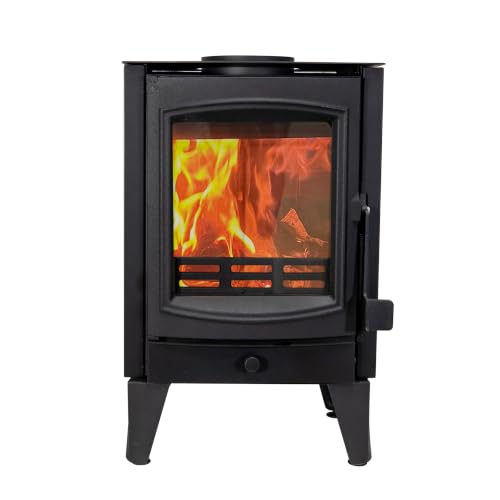
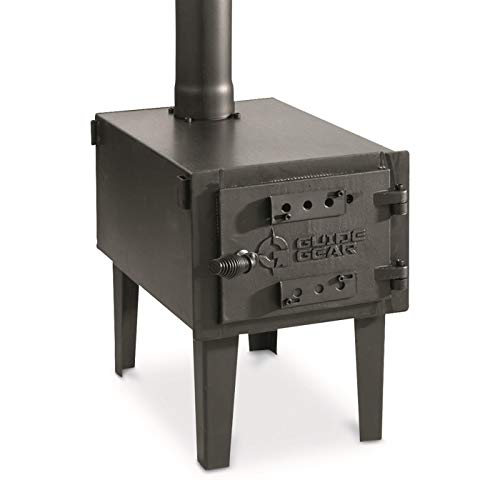
Small Wood Burning Fireplace: Compact Warmth & Timeless Charm
Discover how a compact wood burning fireplace can transform your small living space with efficient heating, rustic ambiance, and smart design solutions
START EXPLORINGWhy Choose a Small Wood Burning Fireplace? For homeowners with limited space, a small wood burning fireplace offers the perfect blend of traditional charm and practical heating. Unlike bulky traditional models, today's compact wood fireplaces are engineered for efficiency, fitting seamlessly into apartments, cabins, tiny homes, and cozy living rooms without sacrificing performance or style.
Understanding Small Wood Burning Fireplaces
A small wood burning fireplace is specifically designed to occupy minimal floor space while delivering the authentic crackle and warmth of a real wood fire. These units typically fall into three categories: freestanding stoves, fireplace inserts, and zero-clearance fireplaces. Each type serves different installation scenarios, from retrofitting an existing masonry fireplace to adding a standalone heat source in a room without a chimney.
When researching your options, it helps to first understand the broader types of fireplaces explained and how wood compares to other fuel sources. If you are weighing whether wood is the right choice for your home, our guide on electric vs gas vs wood fireplace comparison provides a detailed breakdown of operating characteristics, efficiency, and lifestyle fit.
Key Benefits of Going Small
- Space Efficiency: Fits into corners, alcoves, and compact living areas without dominating the room.
- Lower BTU Output: Prevents overheating in smaller rooms, providing comfortable, controllable warmth.
- Reduced Wood Consumption: Uses smaller logs and less fuel per burn session.
- Easier Installation: Many models require minimal clearance and simpler venting configurations.
- Authentic Ambiance: Delivers the sight, sound, and smell of a real wood fire.
Who Is It For?
- Apartment dwellers with proper venting access
- Cabin and cottage owners needing efficient heat
- Tiny home residents seeking compact heating
- Homeowners with small living rooms or bedrooms
- DIY enthusiasts looking for a manageable installation project
- Anyone wanting to supplement central heating with zone heating
Types of Small Wood Burning Fireplaces
Choosing the right type depends on your existing infrastructure, available space, and heating goals. Here is a comparison of the most common options:
| Type | Best For | Installation Complexity | Relative Tier |
|---|---|---|---|
| Freestanding Wood Stove | Rooms without a fireplace; cabins and tiny homes | Moderate — requires chimney or vent kit | Mid-Range |
| Fireplace Insert | Retrofitting an existing masonry or zero-clearance fireplace | Moderate — professional install recommended | Premium |
| Zero-Clearance Fireplace | New construction or remodeling with framing | High — requires framing and chimney | Premium |
| DIY-Friendly Kit | Budget-conscious DIYers with basic skills | Low to Moderate — includes venting components | Entry-Level |
Sizing Your Small Wood Burning Fireplace
Proper sizing is critical for efficiency and comfort. An oversized wood fireplace in a small room will produce excessive heat, forcing you to open windows or let the fire smolder — both of which waste fuel and increase creosote buildup. Conversely, an undersized unit will struggle to heat the space adequately.
Use our how to size a fireplace guide and fireplace heating capacity BTU guide to calculate your specific needs. As a general rule, small wood burning fireplaces typically output between 20,000 and 45,000 BTU per hour — sufficient for spaces ranging from 400 to 1,200 square feet, depending on insulation, climate, and ceiling height.
Room Size Guidelines
- Up to 500 sq ft: Look for 20,000–30,000 BTU output
- 500–800 sq ft: Consider 30,000–40,000 BTU
- 800–1,200 sq ft: Aim for 40,000–45,000 BTU
- Open concept spaces: Add 20% to BTU calculation
- Poorly insulated rooms: Consider a higher output tier
Physical Dimensions to Consider
- Firebox width: Typically 16–22 inches for small units
- Log length capacity: Usually 16–18 inches
- Overall footprint: As little as 2–3 square feet
- Clearance to combustibles: Varies by model; check manufacturer specs
- Venting diameter: Commonly 6 inches for small stoves
Efficiency Ratings and EPA Certification
Modern small wood burning fireplaces are far more efficient than their predecessors. The U.S. Environmental Protection Agency (EPA) certifies wood burning appliances based on particulate emissions and efficiency. When shopping, prioritize units with EPA certification — these models produce less smoke, use less wood, and comply with increasingly strict air quality regulations.
Efficiency ratings for small wood fireplaces typically range from 60% to over 80% (HHV). Higher-efficiency models often feature catalytic combustors or secondary burn tubes that reburn smoke and gases, extracting more heat from each log. If energy efficiency is a top priority, explore our guide on most energy efficient fireplace types and learn how fireplace energy saving tips can reduce your overall consumption.
✅ Advantages of High-Efficiency Models
- Less wood consumed per heating hour
- Reduced creosote buildup in chimney
- Lower particulate emissions
- Longer burn times
- Potential eligibility for tax incentives
⚠️ Considerations
- Higher upfront cost than uncertified units
- Catalytic combustors require periodic replacement
- Some models require more frequent maintenance
- May need seasoned wood to perform optimally
Installation Considerations for Small Wood Burning Fireplaces
Installation requirements vary significantly based on the type of unit and your home's existing infrastructure. A freestanding wood stove in a cabin may require only a through-wall or through-ceiling vent kit, while a fireplace insert must be matched to the dimensions of your existing firebox and chimney.
Key installation factors include:
- Venting: All wood burning appliances require a chimney or vent that meets code. Learn more in our do you need a chimney or vent guide.
- Clearances: Maintain required distances from walls, furniture, and flooring. Our furniture distance from fireplace article provides practical guidance.
- Hearth Protection: Many units require a non-combustible hearth pad. Explore heat resistant tiles for fireplaces for options.
- Chimney Liner: Inserts typically require a stainless steel liner. See our guide on stainless steel chimney liner for wood burning fireplace.
- Permits: Check with your local building department. Our fireplace permit requirements article outlines what to expect.
For those considering a DIY approach, our DIY vs professional fireplace installation comparison can help you decide whether to tackle the project yourself or hire a certified installer. If you are converting an existing fireplace, you may also be interested in installing a wood burning stove in a fireplace and installing a wood burning stove in an existing fireplace.
Maintenance and Safety Essentials
Owning a small wood burning fireplace comes with maintenance responsibilities that ensure safe, efficient operation. Regular upkeep protects your investment and keeps your home safe.
Routine Maintenance Tasks
- Ash Removal: Empty ashes regularly to maintain airflow. Follow our ash removal & disposal guide.
- Chimney Cleaning: Schedule annual sweeps to prevent creosote fires. See chimney cleaning guide.
- Glass Cleaning: Keep the viewing glass clear for ambiance and safety. Learn how to clean fireplace glass.
- Gasket Inspection: Check door gaskets for wear and replace as needed.
- Seasonal Prep: Follow our seasonal fireplace checklist.
Safety Priorities
- Creosote Prevention: Burn seasoned wood and maintain proper draft. Read creosote buildup prevention.
- Carbon Monoxide: Install CO detectors. Learn carbon monoxide signs from fireplace.
- Ember Safety: Use a screen or doors. See fireplace ember safety.
- Overnight Burning: Understand the risks in leaving fireplace on overnight.
- Annual Inspection: Schedule professional inspections. See annual fireplace inspection guide.
For a deeper dive into wood-specific care, our wood fireplace maintenance routine covers everything from damper operation to firebrick inspection. If you encounter issues such as smoke spillage or poor draft, our fireplace smoke problem and wood fireplace draft problem guides offer troubleshooting steps.
Design Ideas for Small Wood Burning Fireplaces
A small wood burning fireplace can become a stunning focal point even in compact rooms. Consider these design approaches:
- Corner Placement: Maximize floor space by tucking a stove into a corner. Explore fireplace for corner of room ideas.
- Wall Niche Installation: Recess a zero-clearance unit into a wall for a sleek look. See wall fireplace ideas.
- Stone Surround: Add texture with a stone surround. Browse stone fireplace wall ideas.
- Whitewashed Brick: Brighten a small room with painted brick. See DIY white fireplace and paint colors that go with red brick fireplace.
- Built-In Shelving: Integrate shelves for storage and display. See fireplace with bookshelves on each side ideas.
For more inspiration tailored to compact living, visit our best fireplace for small spaces guide and ideas for small living room with fireplace. If you are remodeling an existing fireplace, our wood fireplace remodel and fireplace remodel before and after articles provide valuable insights.
Cost and Value Considerations
When evaluating small wood burning fireplaces, consider both upfront investment and long-term operating costs. While we do not list specific prices on this page, you can categorize options into entry-level, mid-range, and premium tiers based on construction quality, efficiency ratings, and included features.
Entry-level models typically offer basic functionality and may require more frequent maintenance. Mid-range units often include improved baffle systems and better gaskets for enhanced efficiency. Premium models frequently feature catalytic combustors, advanced air controls, and superior build materials that extend the appliance's lifespan.
For a comprehensive breakdown of what influences cost, see our fireplace cost breakdown and hidden costs of owning a fireplace. If you are comparing wood to other fuel types, our long-term cost: which fireplace saves money analysis can help. You may also find value in understanding fireplace lifespan and fireplace maintenance cost expectations.
Ready to Find Your Perfect Small Wood Burning Fireplace?
Explore our curated selection of compact wood fireplaces, stoves, and inserts — all in one place.
VIEW RECOMMENDED MODELSFrequently Asked Questions
Generally, a small wood burning fireplace is designed for zone heating — warming the room it is in plus adjacent spaces. While a high-efficiency unit can supplement central heating significantly, heating an entire house typically requires a larger stove or furnace. For more details, see our article on can a fireplace heat an entire house.
Yes, all wood burning appliances require proper venting to exhaust smoke and gases. This can be a traditional masonry chimney, a prefabricated metal chimney, or a direct-vent system depending on the unit. Learn more in our do you need a chimney or vent guide.
Ash should be removed every few burns or when it reaches 1–2 inches deep. The chimney should be inspected annually and cleaned as needed based on creosote buildup. See our chimney cleaning guide and fireplace maintenance schedule for detailed timelines.
It is not recommended to leave any wood fire burning unattended or while sleeping. Always extinguish the fire before leaving the house or going to bed. For safety guidance, read our articles on leaving fireplace on overnight and sleeping with fireplace on.
Some DIY-friendly kits exist, but wood burning appliance installation involves strict clearance requirements, venting specifications, and building codes. Improper installation can void warranties and create safety hazards. See our DIY vs professional fireplace installation comparison before deciding.
Burn seasoned hardwood with a moisture content below 20%. Hardwoods like oak, maple, and ash produce more heat and less creosote than softwoods. Avoid burning green wood, treated lumber, or trash. Our creosote buildup prevention article explains why wood quality matters.
Final Thoughts
A small wood burning fireplace is an excellent choice for homeowners seeking authentic warmth and ambiance without sacrificing floor space. By understanding sizing, efficiency ratings, installation requirements, and maintenance needs, you can select a unit that provides years of reliable service.
Whether you are drawn to the rustic appeal of a freestanding stove, the convenience of an insert, or the sleek lines of a zero-clearance fireplace, the key is matching the appliance to your space, climate, and lifestyle. Start by assessing your room dimensions and heating goals, then explore the product recommendations below to find your ideal match.
For further reading, explore our fireplace buying guide, what is a fireplace beginner guide, and which fireplace is right for your home to make a fully informed decision.