Cost of Installing a Gas Fireplace Insert
A complete breakdown of what influences the investment, from the unit and labor to venting and permits, helping you plan your project with confidence.
Explore the Cost FactorsUnderstanding the Investment: Upgrading an existing wood-burning fireplace with a gas insert is a popular project for homeowners seeking convenience, efficiency, and cleaner operation. However, the final cost of installing a gas fireplace insert is not a single line item; it's a sum of several key components. This guide will walk you through each one, helping you understand where your budget will be allocated.
What Exactly Is a Gas Fireplace Insert?
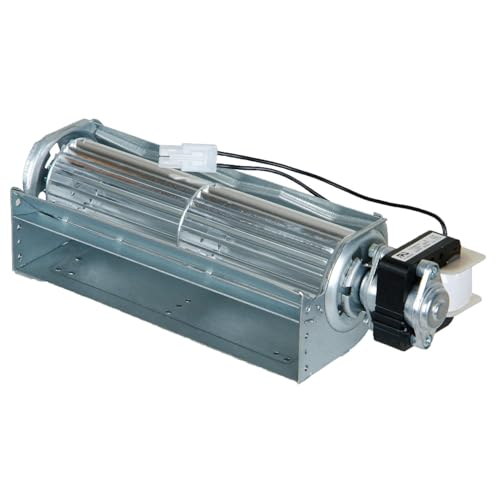
A gas fireplace insert is a self-contained appliance designed to fit into the opening of an existing masonry or factory-built wood-burning fireplace. Unlike a gas log set, which is essentially a burner and logs placed in an open hearth, an insert is a sealed unit with its own firebox, burner, and often a blower fan. This design makes it significantly more efficient. It converts your inefficient, open wood-burning fireplace into a controlled, high-efficiency heat source. This transformation is a key reason many homeowners consider this upgrade, as it can dramatically improve the value and comfort of a home, a topic we explore in our guide on fireplace home value.
Breaking Down the Cost of a Gas Fireplace Insert
The total investment can be divided into four main categories: the unit itself, professional labor, venting components, and potential additional costs. Each plays a significant role in the final tally.
1. The Gas Fireplace Insert Unit
This is the primary component and the largest variable in your budget. The price of the insert itself depends on its heating capacity, efficiency rating, features, and brand. When comparing models, you'll encounter different tiers of quality:
- Entry-Level Inserts: These are budget-friendly models that offer basic functionality. They provide supplemental heat and a realistic flame but may lack advanced features like a multi-speed blower, a programmable thermostat, or a high-efficiency rating. They are a good choice for those seeking ambiance and moderate heat on a tighter budget.
- Mid-Range Inserts: This is the most popular category. These units typically offer higher heating capacities (BTUs), better efficiency ratings, and more standard features. You can expect a more realistic flame pattern, a more powerful blower for heat distribution, and often a remote control. This tier represents the best balance of performance and value for most homeowners.
- Premium and High-End Inserts: These top-tier models are engineered for maximum performance and realism. They often feature advanced burner technology, modulating thermostats for precise temperature control, ultra-realistic log sets, and exceptionally high efficiency ratings. They may also include smart home integration and are constructed with higher-grade materials. These are the luxury options for those who want the very best in form and function.
For a deeper look into the different types of appliances available, our fireplace buying guide is a valuable resource.
2. Professional Labor and Installation
Installing a gas insert is not a DIY project. It involves working with gas lines, venting, and electrical components, requiring a licensed professional. The labor cost is a significant part of the total and varies based on your location and the complexity of the job. This is a key difference from other options, like a DIY electric fireplace, which can often be installed by a handy homeowner. The installation process typically includes:
- Removing the old fireplace components: If you are replacing a wood-burning setup, this may involve removing the old damper, grate, and possibly some masonry work. For a detailed look at this process, see our article on replacing a wood fireplace with a gas insert.
- Running a gas line: If a gas line isn't already present near the fireplace, one must be run from the main supply. This can be a complex and costly step. It's a common consideration for those who are also thinking about converting a wood-burning fireplace to propane.
- Installing the venting system: A gas insert requires a dedicated venting system, typically a flexible aluminum or stainless steel liner that runs up the existing chimney. This is a critical safety and performance component. For more information, see our guide on chimney and vent requirements.
- Electrical connection: Most gas inserts have a blower fan and electronic ignition that require a power source. An electrician may be needed to install an outlet inside the fireplace cavity.
- Fitting and finishing: The insert is slid into place, connected, and tested. Finishing work, such as adding a new surround or fireplace mantel, can add to the labor cost if custom work is required.
3. Venting and Chimney Components
The venting system is non-negotiable and its cost can vary. The most common method is a "direct vent" system, which uses a coaxial liner (one pipe inside another) to pull in combustion air from outside and exhaust fumes. The length of the chimney, the type of liner (aluminum vs. stainless steel), and the complexity of the installation (e.g., navigating offsets or a chimney cap) all affect the price. A damaged or unlined chimney may require more extensive work, potentially involving a full chimney cleaning or relining. The condition of your existing chimney is a major factor that can influence the final cost, a topic also relevant when considering the cost of converting a wood-burning fireplace to gas.
4. Additional and Hidden Costs
Beyond the main components, several other factors can influence your final investment:
- Permits: Most municipalities require a permit for gas appliance installation. The fee is typically modest but is a necessary part of the process. Our article on fireplace permit requirements provides more detail.
- Chimney Inspection and Repair: Before installation, a professional will inspect your chimney. Any necessary repairs, such as fixing a cracked flue or crown, will add to the cost. Regular annual fireplace inspection is a good practice for any homeowner.
- Custom Surrounds and Mantels: The standard surround that comes with an insert is often minimal. Homeowners frequently upgrade to a custom stone, tile, or wood surround, which is a separate material and labor cost.
- Hearth Extension: Depending on local building codes and the insert's specifications, you may need to extend your hearth for safety clearances.
Is Installing a Gas Insert Worth the Investment?
For many homeowners, the answer is a resounding yes. The value proposition extends beyond the initial cost. A gas insert offers:
- Significant Efficiency Gains: An open wood-burning fireplace is notoriously inefficient, often losing more heat up the chimney than it provides to the room. A sealed gas insert can achieve efficiency ratings of 70-90%, turning your fireplace into a viable heat source. This can lead to long-term savings on your heating bills. To understand this better, explore our guide on most energy-efficient fireplace types.
- Convenience and Comfort: No more hauling wood, cleaning up ash, or dealing with smoky fires. A gas insert starts with a flip of a switch or a remote control. This on-demand heat and ambiance is a major lifestyle upgrade.
- Cleaner Operation: Gas burns much cleaner than wood, producing far fewer particulate emissions and no creosote buildup in the chimney. This contributes to better indoor and outdoor air quality. You can learn more about maintaining a clean system in our gas fireplace maintenance guide.
- Increased Home Value: A modern, efficient gas fireplace is an attractive feature for potential buyers. It adds a touch of luxury and a functional heating source, which can be a strong selling point. This is a key reason why understanding the types of fireplaces is so important for homeowners.
While the upfront cost of installing a gas fireplace insert is a significant consideration, the long-term benefits in terms of efficiency, convenience, and home value often justify the investment for many homeowners. It's an upgrade that transforms a drafty, decorative feature into a high-performance home appliance.
Frequently Asked Questions
Can I install a gas fireplace insert myself?
It is strongly discouraged and often illegal. Installation involves connecting to a gas line, which must be done by a licensed professional. Improper installation can lead to gas leaks, carbon monoxide poisoning, and fire hazards. It also requires proper venting and electrical work. For safety and to ensure your warranty is valid, always hire a qualified technician. This is a key point of difference from a DIY gas fireplace project, which is not advisable.
How long does the installation take?
For a straightforward installation where a gas line and proper venting already exist, the process might take a single day. However, if a new gas line needs to be run, or if the chimney requires significant work, the project can take several days to a week. Our article on fireplace installation time provides a more detailed timeline.
Do I need a chimney for a gas insert?
Yes, a gas insert requires a venting system to safely exhaust combustion byproducts. While it doesn't use a traditional open chimney in the same way a wood fire does, it uses the existing chimney structure to house a flexible liner. For a complete explanation, see our guide on do fireplaces need a chimney.
Will a gas insert heat my whole house?
While a powerful gas insert can produce a substantial amount of heat, it is primarily designed to heat the room it is in, or an adjacent open-concept space. Its ability to heat an entire house depends on the home's layout, insulation, and the insert's BTU output. You can learn more about heating capacity in our article, can a fireplace heat an entire house.
Final Thoughts
The cost of installing a gas fireplace insert is a multi-faceted investment that includes the unit, labor, venting, and potential additional expenses. While the upfront price can be substantial, the long-term benefits of improved efficiency, unmatched convenience, and enhanced home value often make it a worthwhile project. By understanding each cost component, you can better plan your budget and make an informed decision that brings warmth and elegance to your home for years to come. If you are still exploring your options, comparing this to the cost to install an electric fireplace insert can provide a helpful perspective.