Why Replace the Rocks in Your Gas Fireplace?
Over time, the original rocks or media in your gas fireplace can become discolored, dusty, or simply outdated. Soot buildup, fading, and physical degradation are common, especially in frequently used fireplaces. Replacing them is one of the most cost-effective ways to refresh your fireplace's appearance without replacing the entire unit.
Beyond aesthetics, the type of rock media you choose affects how your fireplace performs. Different materials have varying heat retention properties, and the size and placement of rocks can influence flame pattern and efficiency. If you are also considering upgrading other components, our guide on ceramic fireplace logs can help you coordinate a complete media refresh.
Types of Replacement Rocks for Gas Fireplaces
Not all fireplace rocks are created equal. Here are the most popular options, each with distinct advantages and ideal applications.
Fire Glass
Heat-resistant tempered glass in various colors and shapes. Reflects flames beautifully and is available in reflective, matte, and iridescent finishes. Best for contemporary and modern fireplaces.
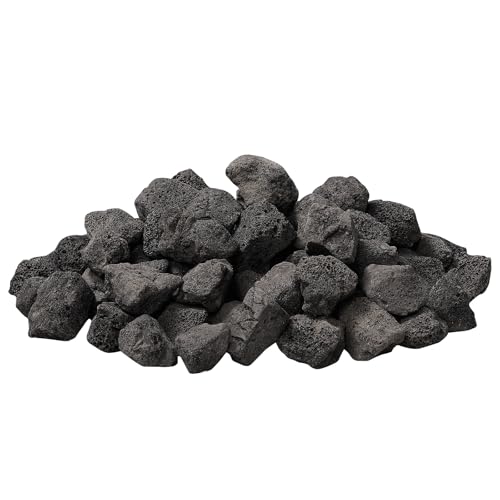
Lava Rocks
Porous volcanic rock that is naturally heat-resistant. Excellent for retaining and radiating heat. A popular choice for traditional and transitional fireplaces, and often used in gas fireplace installations.
Ceramic Spheres
Uniform, round ceramic balls that create a clean, modern look. They do not crack or discolor and are perfect for a minimalist aesthetic. Often paired with ventless fireplace logs for a complete look.
Tumbled Stones
Natural river rocks that have been tumbled for a smooth finish. They offer a rustic, organic appearance and work well in outdoor fireplace settings and traditional indoor designs.
Ceramic Fiber Rocks
Lightweight, artificial rocks designed to mimic natural stone. They are safe for direct flame contact and are an excellent low-maintenance option for high-use fireplaces.
Geometric Shapes
Cubes, diamonds, and other geometric ceramic or glass shapes. These are purely decorative and are best for fireplaces where aesthetics are the top priority. You might also consider decorative fireplace inserts for a purely visual upgrade.
How to Choose the Right Replacement Rocks
Selecting the right media involves more than just picking a color. Consider these factors to ensure a safe and beautiful result.
1. Material Compatibility
Always verify that the rocks you choose are rated for gas fireplaces. Natural stones like river rocks can crack or explode when exposed to high heat, so only use materials specifically designed for fireplace use. For ventless fireplaces, use only media approved for ventless systems to avoid safety hazards. Our gas fireplace inspection guide covers safety checks you should perform before adding new media.
2. Size and Coverage
The size of your rocks matters for both appearance and performance. Smaller media like fire glass (typically 1/4 to 1/2 inch) creates a denser, more uniform bed, while larger rocks (1 to 3 inches) provide a more rustic look. You need enough media to cover the burner area to a depth of about 1 to 2 inches. Overfilling can obstruct airflow and affect flame quality.
⚠️ Safety Tip: Never use more media than recommended by your fireplace manufacturer. Excess rocks can block burner ports, leading to incomplete combustion and potential carbon monoxide production. Always follow your owner's manual.
3. Color and Finish
Color sets the mood. Clear or reflective glass amplifies the flame's glow, while dark colors like black or deep amber create a moody, elegant atmosphere. For a natural look, choose earth tones like tan, gray, or brown. If you have a stone fireplace, coordinating media can create a cohesive design.
4. Heat Retention
Lava rocks and ceramic materials retain heat well, radiating warmth even after the fireplace is turned off. This is especially beneficial for fireplaces used for actual heating. Fire glass, while beautiful, does not retain heat as effectively.
Comparison of Popular Replacement Rock Types
| Type | Appearance | Heat Retention | Best For | Maintenance |
|---|---|---|---|---|
| Fire Glass | Reflective, vibrant | Low | Modern, contemporary | Wipe with damp cloth |
| Lava Rocks | Natural, porous | High | Traditional, heating | Vacuum occasionally |
| Ceramic Spheres | Smooth, uniform | Medium | Minimalist, modern | Dust with soft brush |
| Tumbled Stones | Organic, rustic | Medium | Rustic, outdoor | Rinse and dry |
| Ceramic Fiber Rocks | Realistic, lightweight | Low | High-use, low-maintenance | Replace when discolored |
Installation Tips for Replacement Rocks
Installing new rocks is a straightforward DIY project, but proper preparation is key.
- Turn off the gas and let the fireplace cool completely. This cannot be overstated. Working on a hot fireplace is dangerous.
- Remove old media and clean the burner area. Vacuum away dust and debris. Inspect the burner for blockages. If you notice any issues, refer to our gas fireplace troubleshooting guide.
- Layer properly. Start with a base layer of smaller media (if using a mix), then add larger rocks. Avoid covering the pilot light or ignition area.
- Do not overfill. Leave space for flames to breathe. A good rule of thumb is to keep the media level below the top of the burner.
- Test before enjoying. Turn the fireplace on and observe the flame. If it looks weak or uneven, adjust the media. For persistent issues, consult a professional or review our weak flame guide.
Maintenance and Longevity
Replacement rocks are not entirely maintenance-free. Here's how to keep them looking their best:
- Fire Glass: Clean with a 50/50 vinegar and water solution. Avoid abrasive cleaners that can scratch the surface.
- Lava Rocks: These are porous and can trap dust. Vacuum with a brush attachment monthly during heavy use. Replace if they become crumbly.
- Ceramic Media: Dust regularly with a soft cloth. They are durable and rarely need replacement unless cracked.
- Tumbled Stones: Rinse with water and let dry completely before returning to the fireplace. Avoid soap, which can leave residue.
For a complete maintenance routine, see our monthly and yearly maintenance schedule. If you have a ventless system, be sure to follow the specific cleaning steps in our gas fireplace maintenance guide.
Frequently Asked Questions
Can I use regular river rocks in my gas fireplace?
No. Natural river rocks can contain moisture that turns to steam when heated, causing them to crack or even explode. Always use media specifically rated for gas fireplaces.
How much media do I need?
It depends on your fireplace size and the desired depth. As a general guideline, a 1-inch layer of fire glass requires about 1 pound per 10 square inches of burner area. Check your fireplace manual for specific recommendations.
Can I mix different types of rocks?
Yes, mixing is a popular way to create a custom look. For example, you can combine lava rocks with fire glass for a contrast in texture and color. Just ensure all materials are rated for gas fireplaces.
Do replacement rocks affect heating efficiency?
They can. Lava rocks and ceramic materials retain heat and release it slowly, which can improve overall heating. Fire glass, while beautiful, is less effective at heat retention. For more on efficiency, read our guide on most energy-efficient fireplace types.
How often should I replace the rocks?
With proper care, high-quality fire glass and ceramic media can last for years. Lava rocks may need replacement every 2-3 years if they become dusty or degraded. Replace any media that shows signs of cracking, discoloration, or crumbling.