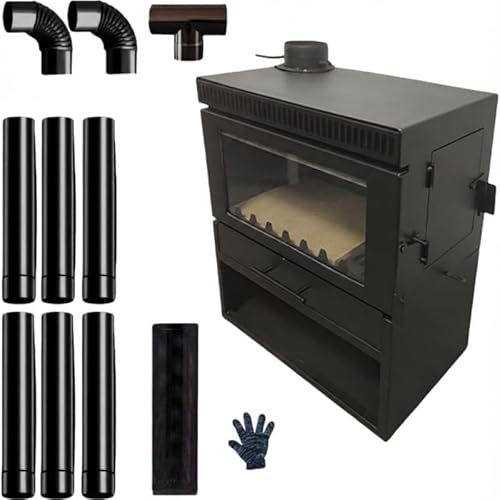
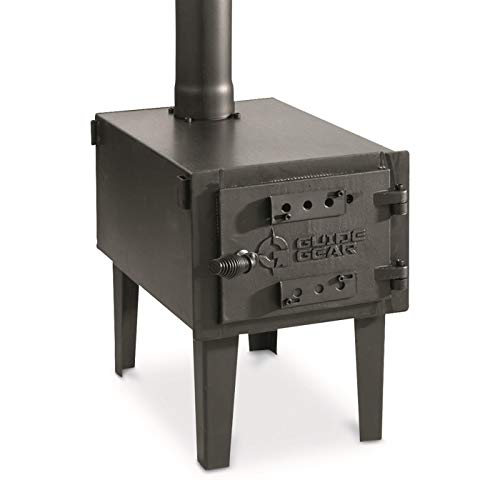
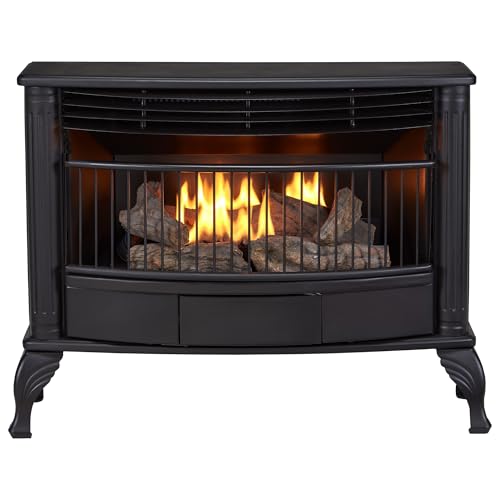
Replace Gas Fireplace with Wood Burning Stove
A complete guide to converting your gas fireplace into a radiant wood burning stove. Learn about the costs, safety requirements, installation process, and whether this upgrade is right for your home.
Start Your Conversion JourneyAre you tired of the artificial look and rising fuel costs of your gas fireplace? Many homeowners are discovering the unmatched ambiance and efficient radiant heat of a traditional wood burning stove. While the idea of replacing a gas fireplace with a wood burning stove sounds appealing, it's a significant renovation that involves more than just swapping one appliance for another. This guide will walk you through every critical step, from assessing feasibility to the final installation, ensuring you make an informed decision for your home.
Why Consider the Switch from Gas to Wood?
The decision to move from gas to wood is often driven by a desire for greater independence and authenticity. A wood burning stove offers a self-reliant heating source during power outages, a deeper and more satisfying warmth, and the timeless ritual of building and tending a fire. Unlike a gas fireplace, which often relies on a continuous fuel supply and electricity for ignition, a wood stove provides security and a tangible connection to the heating process. However, it's a trade-off that requires commitment to maintenance and fuel storage.
Is It Possible to Replace a Gas Fireplace with a Wood Stove?
Yes, it is technically possible, but the complexity of the project depends entirely on your existing fireplace and chimney setup. You are not just replacing a unit; you are likely changing the entire venting and combustion system. Here are the primary scenarios:
- Existing Masonry Chimney: If your gas fireplace is installed in a traditional masonry fireplace with a full chimney, this is the most straightforward conversion. The chimney likely already has the structural capacity for a wood stove, though a new stainless steel liner will be required.
- Prefabricated or Zero-Clearance Fireplace: This is the most challenging scenario. A factory-built gas fireplace is not designed to handle the high temperatures of a wood fire. In almost all cases, the entire unit, including its venting system, must be completely removed. You will then need to install a new, high-efficiency wood burning stove with its own dedicated, listed chimney system, which may require significant structural modifications.
- Direct Vent Gas Fireplace: These units are sealed and vent directly through an exterior wall. Converting this to a wood stove is a major undertaking. You will need to remove the direct vent system entirely and install a new vertical chimney that meets wood burning codes, often requiring a chase to be built on the exterior of the home.
Critical Safety and Building Code Requirements
Safety is the non-negotiable foundation of this project. You cannot simply place a wood stove where a gas fireplace used to be. The following regulations are paramount:
- Clearances: Wood stoves require significant clearance from combustible materials. This includes floors, walls, and ceilings. You will need to consult the stove's manual for specific clearance requirements and may need to install heat shields or a non-combustible hearth pad.
- Chimney and Flue: The chimney must be specifically rated for wood burning. A stainless steel liner is almost always required, even inside a masonry chimney, to protect the masonry from creosote and ensure a proper draft. For a new installation, a Class A insulated chimney is the standard.
- Makeup Air: A wood stove consumes a large amount of oxygen. In a modern, tightly sealed home, you may need to install an outside air kit to prevent backdrafting and ensure proper combustion.
- Permits and Inspection: You will almost certainly need a building permit. A certified inspector will need to approve the installation to ensure it meets local codes. Failure to do so can void your homeowner's insurance.
Step-by-Step Conversion Process
Replacing a gas fireplace with a wood burning stove is not a DIY project for the average homeowner. It requires a licensed professional, often a chimney sweep or a certified hearth technician. Here is what the process typically involves:
- Assessment and Consultation: A professional will evaluate your existing setup, including the chimney's condition and the structure of your home, to determine the best course of action.
- Removal of the Old Unit: The gas fireplace, its venting, and the gas line (if not used for other appliances) will be safely disconnected and removed.
- Preparation of the Space: The area is prepped for the new stove. This includes building a non-combustible hearth pad and ensuring proper wall clearances. If a new chimney is needed, this is the most structurally invasive part of the project.
- Installation of the New Stove and Chimney: The new wood stove is positioned, and the chimney system is installed. This must be done meticulously to ensure a safe, leak-proof, and efficient system.
- Permitting and Final Inspection: After the installation is complete, the local building inspector will review the work to ensure it complies with all safety codes.
Pros and Cons of Switching to a Wood Burning Stove
Before you commit, weigh the benefits against the drawbacks. This comparison will help you decide if a wood stove aligns with your lifestyle.
Advantages
- Provides radiant heat that feels warmer and more penetrating.
- Operates independently of the electrical grid during power outages.
- Can significantly lower heating costs if you have access to free or low-cost firewood.
- Offers a genuine, crackling fire ambiance that gas cannot replicate.
- Can be a beautiful, rustic focal point in your living space.
Disadvantages
- High upfront installation costs, especially if a new chimney is needed.
- Requires regular maintenance, including chimney cleaning and ash removal.
- Needs a steady supply of seasoned firewood and dry storage space.
- Produces more dust and ash in the home than a gas unit.
- Takes time to start and requires active management to maintain the fire.
Alternative: Consider a High-Efficiency Insert Instead
If you love the idea of wood heat but want to minimize the renovation, a high-efficiency wood burning fireplace insert might be a better option. An insert is designed to fit into an existing masonry fireplace. However, since you are converting from gas, you would still need to remove the gas unit and install a full chimney liner, but you might be able to reuse the existing chimney structure. This can be a more streamlined path to wood heating. You can also explore options for a wood burning stove insert for a gas fireplace, though this is a less common and more complex conversion.
Frequently Asked Questions (FAQ)
Can I just put a wood stove in my gas fireplace opening?
No, absolutely not. A gas fireplace is not built to withstand the intense heat of a wood fire. The firebox materials, clearances, and venting system are all designed for gas. Placing a wood stove in a gas fireplace opening is a severe fire hazard and violates all building codes. The existing gas unit must be completely removed and the space properly prepared for a wood stove.
How much does it cost to replace a gas fireplace with a wood burning stove?
The cost is highly variable and depends on the complexity of the installation. Major cost factors include the stove itself (ranging from entry-level to premium models), the chimney system (a new Class A chimney is a significant expense), labor for removal and installation, and any structural changes needed. For a mid-range project, you should expect a substantial investment, comparable to a mid-range bathroom remodel. It's best to get multiple quotes from certified professionals.
Do I need a chimney for a wood burning stove?
Yes. A wood burning stove requires a dedicated, properly sized, and insulated chimney to safely vent smoke and gases. You cannot use an existing direct-vent gas fireplace terminal. For homes without a masonry chimney, a new factory-built, insulated chimney (Class A) must be installed, which typically runs vertically up through the home and out the roof.
Is a wood burning stove more efficient than my old gas fireplace?
Generally, a modern, EPA-certified wood burning stove is far more efficient than an older, open-faced gas fireplace. A wood stove can achieve efficiencies of 70% or higher, meaning more of the heat stays in your home and less goes up the chimney. While a modern direct-vent gas fireplace can also be efficient, a wood stove provides a different type of radiant heat that many find more effective for zone heating. For a deeper dive, see our guide on most energy-efficient fireplace types.
Ready to Explore Wood Stove Options?
Once you've decided to move forward, the next step is choosing the right stove for your space and heating needs. Browse our curated selection of recommended wood burning stoves and inserts.
View Recommended Wood Stoves