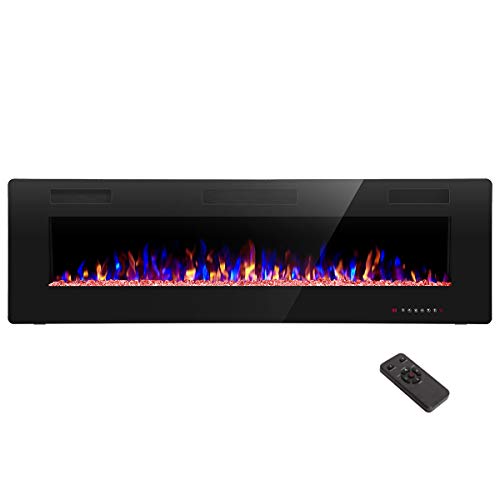
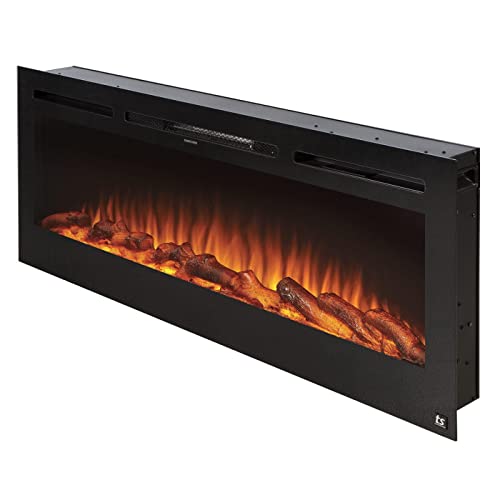
Realistic Flame Electric Fireplace Insert
Discover how modern electric inserts replicate the look of a real fire without the mess, venting, or maintenance. Your complete guide to choosing the most authentic flame experience for your home.
Why Realism Matters: An electric fireplace insert is only as good as its flame. Modern LED and water vapor technologies have closed the gap between electric and real fire. This guide helps you understand what makes a flame look real, how to match an insert to your existing fireplace, and which features deliver the best experience for your space.
What Makes an Electric Flame Look Real?
Not all electric fireplace inserts are created equal. The difference between a convincing flame and a disappointing one comes down to three factors: flame technology, flame speed and movement, and ember bed realism. When you are researching the most authentic-looking electric fireplace, understanding these elements helps you separate genuine quality from marketing claims.
LED Flame Technology
Most electric inserts use LED lights reflected off rotating mirrors or drums to create the illusion of dancing flames. Entry-level models often produce a repetitive, mechanical flicker that looks artificial. Mid-range and premium units use multiple LED strips, randomized rotation patterns, and diffusers to create a more organic, unpredictable flame movement.
Water Vapor Flame Technology
Water vapor (also called vapor or mist) fireplaces use ultrasonic technology to create a fine mist that is illuminated by LED lights. The result is a flame that looks remarkably three-dimensional and produces a realistic "burning" effect. These units are often considered the most realistic electric fireplace inserts available, though they typically require a water reservoir and produce no heat.
Ember Bed and Log Realism
The ember bed is the glowing base beneath the flames. High-quality inserts use translucent acrylic or resin logs with internal LED lighting to simulate burning embers. Some premium models include hand-painted ceramic logs with charred detailing and pulsing ember effects that respond to the flame cycle.
Types of Realistic Flame Electric Fireplace Inserts
Before choosing an insert, it helps to understand the different form factors and how they fit into your existing fireplace or new installation. If you are replacing an old wood-burning unit, an electric fireplace insert for existing fireplace is one of the easiest upgrades you can make.
| Type | Best For | Flame Realism | Heat Output | Installation |
|---|---|---|---|---|
| LED Insert (Entry-Level) | Budget-friendly ambiance | Basic flicker | Low to medium | Plug-in |
| LED Insert (Mid-Range) | Everyday use with heat | Good, multi-LED | Medium to high | Plug-in or hardwired |
| LED Insert (Premium) | Primary heating + realism | Excellent, 3D effect | High with thermostat | Hardwired |
| Water Vapor Insert | Ultimate flame realism | Exceptional, 3D mist | None (ambiance only) | Plug-in |
| Infrared Quartz Insert | Efficient zone heating | Good, with ember bed | High, directional | Plug-in |
For a deeper comparison of how these inserts stack up against built-in and freestanding options, see our guide on wall-mounted vs insert vs freestanding fireplaces.
Key Features to Evaluate Before Buying
When you are comparing realistic flame inserts, focus on the features that directly affect your daily experience. The fireplace buying guide covers the full evaluation process, but here are the essentials for electric inserts specifically.
Heating Capacity and BTU Rating
Most electric inserts produce between 4,000 and 5,100 BTU, which is enough to heat a room up to roughly 400 square feet. If you need to heat a larger space, look for a unit with a higher BTU rating or consider a infrared quartz electric fireplace insert, which delivers heat more efficiently and directly. Use our BTU guide to match capacity to your room size.
Flame Speed and Brightness Controls
Premium inserts let you adjust flame speed and brightness independently of the heat setting. This means you can enjoy the ambiance of a slow, gentle flame in summer without generating heat. Look for models with at least three flame speed settings and a dimmer for the ember bed.
Remote Control and Smart Features
A remote control is standard on most mid-range and premium inserts. Some models offer Wi-Fi connectivity, allowing you to control the flame and heat from your phone. If you are looking for convenience, a electric fireplace insert with remote control is a worthwhile upgrade.
Crackling Sound Effects
Sound is a surprisingly powerful part of flame realism. Many high-quality inserts include built-in crackling sound effects that can be adjusted or muted. If this feature matters to you, consider an electric fireplace insert with crackling sound for a more immersive experience.
Pro Tip: If your priority is the most lifelike flame possible and you do not need supplemental heat, a water vapor insert is the closest you can get to a real fire. If you need both realism and heat, a premium LED insert with a 3D flame effect and adjustable ember bed is the best balance.
Installation and Sizing Considerations
One of the biggest advantages of electric inserts is that they require no venting, no gas line, and no chimney. This makes them suitable for apartments, basements, and homes where a traditional fireplace is not possible. For a full overview, see our electric fireplace installation guide.
Measuring Your Existing Fireplace
If you are placing an insert into an existing fireplace opening, measure the width, height, and depth of the opening carefully. Most inserts are designed to fit standard openings, but you may need a trim kit to cover gaps. The guide on installing an electric fireplace into an existing fireplace walks through the process step by step.
Power Requirements
Most electric inserts run on standard 120V household current. However, high-wattage units may require a dedicated circuit to avoid tripping breakers. If you are unsure, consult a licensed electrician. Our article on electric fireplace tripping breaker explains how to diagnose and prevent this issue.
Zero Clearance and Built-In Options
Some inserts are designed for zero-clearance installation, meaning they can be placed directly against combustible materials. These are ideal for new construction or renovations where you want a built-in electric fireplace and TV design. Always check the manufacturer's clearance requirements before installation.
Maintenance and Longevity
Electric inserts are among the lowest-maintenance fireplace options available. There is no ash to remove, no chimney to sweep, and no gas lines to inspect. However, a few simple habits will keep your insert looking and performing its best for years.
- Dust the flame assembly regularly. Dust can dull the LED lights and reduce flame clarity. Use a soft brush or compressed air to clean the flame mechanism every few months.
- Clean the glass front. Fingerprints and dust on the glass panel can diminish the flame effect. Follow our guide on how to clean fireplace glass for safe cleaning methods.
- Check the ember bed and logs. If your insert uses acrylic or resin logs, inspect them for dust buildup and wipe them gently with a microfiber cloth.
- Inspect the power cord and plug. Look for signs of wear or overheating. If the cord is damaged, replace it before using the insert again.
- Follow the seasonal checklist. Our seasonal fireplace checklist includes tasks specific to electric units, including filter cleaning and remote control battery replacement.
For a complete maintenance routine, see the electric fireplace maintenance guide.
Common Issues and Troubleshooting
Even the best electric inserts can develop minor issues over time. Most problems are easy to diagnose and fix without professional help. Here are the most common complaints and their solutions.
Flame Not Working (But Heat Is On)
This usually indicates a problem with the flame motor or LED assembly. Check if the flame effect is turned off in the settings, then inspect the motor for obstructions. If the motor is faulty, it may need replacement. See our full guide on electric fireplace flame not working.
Remote Control Not Responding
Start by replacing the batteries in the remote. If that does not work, check for obstructions between the remote and the insert's sensor. Some units require you to reset the remote by holding the power button for several seconds. More details are available in our article on electric fireplace remote fix.
Insert Not Heating
If the flames work but the heat does not, check the thermostat setting and ensure the heater is not in "flame only" mode. If the unit still does not heat, the heating element may have failed. Our guide on electric fireplace not heating covers the diagnostic steps.
Buzzing or Rattling Noise
A buzzing sound often comes from the flame motor or a loose panel. Tighten any accessible screws and check for debris near the motor. If the noise persists, the motor may need lubrication or replacement. See electric fireplace buzzing noise for more solutions.
Safety and Efficiency
Electric inserts are generally safer than wood or gas fireplaces because they produce no open flame, no carbon monoxide, and no creosote. However, there are still safety considerations to keep in mind.
- Keep flammable materials away. Maintain at least three feet of clearance between the insert and curtains, furniture, or bedding. See our guide on furniture distance from fireplace for specific recommendations.
- Do not leave unattended for extended periods. While electric inserts are safe, it is always best to turn them off when leaving the house or going to sleep. Our article on leaving fireplace on overnight explains the risks.
- Use a dedicated circuit when possible. High-wattage inserts can overload shared circuits. If you experience frequent breaker trips, consider having a dedicated outlet installed.
- Check for recalls. Occasionally, manufacturers issue recalls for specific models. Register your product and stay informed about safety notices.
For more on efficiency, see our guide to the most energy-efficient electric fireplaces and learn how much it costs to run one in our article on are electric fireplaces expensive to run.
Frequently Asked Questions
Do electric fireplace inserts really look realistic?
Yes, modern premium inserts and water vapor models can look remarkably realistic. The key is choosing a unit with multi-LED flame technology, adjustable flame speed, and a detailed ember bed. Entry-level models may look artificial, but mid-range and premium options have closed the gap significantly.
Can I install an electric insert in an old wood-burning fireplace?
Absolutely. This is one of the most common installations. The insert simply sits inside the existing opening, and you can often use a trim kit to cover the gap. No chimney work is required. See our guide on electric fireplace insert for old wood-burning fireplace for details.
Do electric inserts produce carbon monoxide?
No. Electric inserts produce zero carbon monoxide because they do not burn fuel. This makes them safe for bedrooms, apartments, and other enclosed spaces where gas or wood fireplaces would be dangerous. See do electric fireplaces produce CO for more information.
How long do electric fireplace inserts last?
With proper maintenance, a quality electric insert can last 10 to 20 years. The LED lights typically have a lifespan of 50,000 hours or more, and the heating element is usually the first component to wear out. See our article on fireplace lifespan for more details.
Can an electric insert heat an entire room?
Most electric inserts are designed for zone heating, meaning they can comfortably heat a room up to 400 square feet. They are not intended to replace a central heating system, but they can supplement it effectively. For larger spaces, look for a high-BTU infrared model. See our guide on do electric fireplaces heat a room.