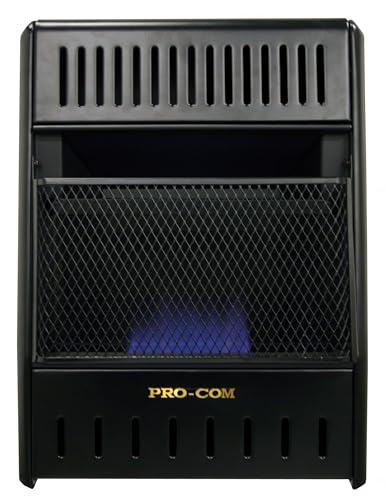
Ventless Propane Heater with Thermostat and Blower
Your complete guide to choosing, sizing, and safely operating a vent-free propane heater with built-in thermostat control and air circulation blower for efficient, zone-specific heating.
START THE GUIDEWhy this guide matters: A ventless propane heater with thermostat and blower combines three essential features—fuel efficiency, automatic temperature regulation, and active heat distribution—into one compact unit. If you're researching this product category, you already understand that not all heaters are created equal. This guide will walk you through everything you need to know before making your purchase decision, from BTU sizing to safety certifications to real-world performance expectations.
What Is a Ventless Propane Heater with Thermostat and Blower?
A ventless propane heater with thermostat and blower is a self-contained heating appliance that burns propane gas without requiring an external vent, chimney, or flue. The "ventless" or "vent-free" designation means that nearly all combustion byproducts are burned within the unit itself, allowing the heat to be released directly into your living space rather than being exhausted outdoors.
The thermostat component allows you to set a target temperature, and the heater will automatically cycle on and off to maintain that comfort level—similar to how a central heating system operates. This is a significant upgrade over manual-control heaters that require you to physically adjust the flame or turn the unit on and off.
The blower (sometimes called a fan) actively pushes warmed air away from the heater and circulates it throughout the room. Without a blower, heat tends to rise and pool near the ceiling, leaving the floor area cooler. A blower dramatically improves comfort by distributing heat more evenly and reducing the time it takes to warm a space.
Together, these three features create a heating solution that is efficient, convenient, and capable of warming specific zones of your home without the installation complexity of a traditional furnace or the energy waste of heating unused rooms. This approach aligns with the principles discussed in our most energy-efficient fireplace types guide, where targeted heating often outperforms whole-house systems for both comfort and efficiency.
How Ventless Propane Heaters Work
Understanding the mechanics helps you appreciate the design and make informed decisions. Here's the basic process:
- Propane combustion: Propane gas is mixed with air and burned in a sealed combustion chamber. The flame heats a metal heat exchanger or radiant surface.
- Heat release: Because the unit is ventless, the heat—along with water vapor and carbon dioxide—is released directly into the room. Modern ventless heaters are engineered to burn fuel at very high efficiency, typically 99% or higher, meaning almost no unburned fuel escapes.
- Thermostat regulation: A built-in thermostat monitors room temperature. When the temperature drops below your set point, the heater ignites; when the target is reached, it modulates or shuts off.
- Blower circulation: A fan pulls air across the heated surfaces and pushes it into the room, creating a convection current that distributes warmth more effectively than natural radiation alone.
This design is particularly valuable in spaces where running ductwork would be impractical or prohibitively expensive. For a deeper look at how different heating approaches compare, our fireplace heating capacity and BTU guide provides additional context that applies to all types of space heaters.
Key Features to Evaluate Before Buying
Thermostat Type
Look for a digital thermostat with precise temperature settings (typically adjustable in 1°F increments). Manual dial thermostats are less accurate but more durable. Some premium models offer programmable schedules or Wi-Fi connectivity for remote control—similar to the convenience discussed in our smart Wi-Fi fireplace controller guide.
Blower Performance
Blower output is measured in CFM (cubic feet per minute). Higher CFM means faster air movement and better heat distribution, but also more noise. Look for models with variable-speed blowers so you can balance comfort and quiet operation. A blower that's too powerful for a small room can create annoying drafts.
BTU Output Range
Many quality heaters offer multiple heat settings—for example, 10,000 / 20,000 / 30,000 BTU. This flexibility lets you match output to outdoor temperatures and room size. A heater that only runs at full blast will cycle more frequently, which can reduce efficiency and increase wear. Our how to size a fireplace guide explains BTU calculations that apply equally to propane heaters.
Safety Certifications
Look for certification from recognized testing agencies. In the United States, this is typically the CSA (Canadian Standards Association) or UL (Underwriters Laboratories). These certifications confirm the heater meets safety standards for ventless operation, including oxygen depletion sensors and automatic shut-off features.
Oxygen Depletion Sensor (ODS)
This is a critical safety feature. An ODS pilot system monitors oxygen levels in the room. If oxygen drops below a safe threshold (typically around 18%), the heater automatically shuts off. This prevents carbon monoxide buildup and oxygen deprivation in tightly sealed rooms.
Tip-Over Protection
Essential for portable units. If the heater is accidentally knocked over, a switch immediately cuts the gas supply and shuts down the unit. This prevents fire hazards and gas leaks. Always verify this feature is present on any portable propane heater you consider.
Ignition System
Electronic ignition (push-button or spark) is more convenient than a standing pilot light. Electronic ignition saves fuel because there's no continuously burning pilot. Some models offer remote control ignition, which is especially useful for wall-mounted units installed in hard-to-reach locations.
Mounting Options
Ventless propane heaters are available in wall-mounted, floor-standing, and portable configurations. Wall-mounted units save floor space and are ideal for permanent installations. Portable units offer flexibility but require a nearby propane source. Consider your room layout and whether you want a permanent or temporary heating solution.
Pro Tip: When comparing models, don't focus solely on BTU output. A heater with a slightly lower BTU rating but a better blower and more precise thermostat will often provide superior comfort compared to a higher-BTU unit with poor air distribution. The goal is even, consistent warmth—not just raw heat output.
How to Calculate the Right BTU for Your Space
Choosing the correct BTU capacity is the single most important decision when selecting a ventless propane heater. An undersized heater will struggle to maintain temperature on cold days, while an oversized unit will cycle on and off frequently, wasting fuel and creating temperature swings.
The Basic Formula
The general rule of thumb for propane heating is:
- Moderate climate: 20 BTU per square foot
- Colder climate: 30–40 BTU per square foot
- Poorly insulated space: Add 20–30% to the base calculation
- High ceilings (over 8 feet): Add 10–20% to account for the larger air volume
For example, a 400-square-foot room in a moderate climate would need approximately 8,000 BTU (400 × 20). The same room in a colder climate might need 12,000–16,000 BTU. If the room has poor insulation or vaulted ceilings, you might need 15,000–20,000 BTU.
Using a BTU Calculator
While the square-footage formula provides a good starting point, a more accurate calculation considers:
- Ceiling height (cubic footage, not just square footage)
- Window quantity and quality (single-pane vs. double-pane)
- Insulation levels in walls, floors, and ceilings
- Climate zone and typical winter low temperatures
- Whether the space is open to other rooms or enclosed
Many heater manufacturers provide BTU calculators on their websites. You can also use the sizing principles from our fireplace sizing worksheet, which walks through a similar process for fireplaces and applies directly to space heaters.
Why Oversizing Is a Problem
It's tempting to buy the most powerful heater available, thinking "more is better." In practice, an oversized ventless propane heater creates several problems:
- Short cycling: The heater reaches the thermostat set point too quickly, then shuts off, then turns back on shortly after. This wastes fuel and increases wear on components.
- Temperature swings: The room fluctuates between too hot and too cool because the heater can't modulate output precisely.
- Higher operating costs: Short cycling is less efficient than steady, modulated operation.
- Increased moisture: Propane combustion produces water vapor. An oversized heater running in short bursts releases moisture rapidly, which can lead to condensation issues. Our condensation on fireplace glass guide discusses similar moisture dynamics.
If you're unsure, it's better to choose a heater with multiple BTU settings. This allows you to run at a lower output most of the time and increase to a higher setting only during extreme cold.
Ventless Propane Heater vs. Other Heating Options
Understanding how a ventless propane heater with thermostat and blower compares to alternatives helps you confirm whether it's the right choice for your situation.
| Feature | Ventless Propane Heater | Vented Propane Heater | Electric Space Heater | Central Heating |
|---|---|---|---|---|
| Installation | No venting required; wall-mount or portable | Requires vent/chimney; professional installation | Plug-in; no installation | Ductwork and professional installation required |
| Efficiency | 99%+ (heat stays in room) | 80–90% (some heat lost through vent) | 100% (but higher energy cost per BTU) | 70–95% depending on system age |
| Heating Capacity | Up to 30,000 BTU (zone heating) | Up to 50,000+ BTU (larger spaces) | 1,500–5,100 BTU typical | Whole-house capacity |
| Operating Cost | Moderate; depends on propane prices | Moderate; slightly higher due to vent loss | Higher per BTU in most markets | Varies; can be high for whole-house use |
| Best For | Zone heating, garages, additions, cabins | Primary heat in cold climates | Small rooms, supplemental heat | Whole-home heating |
| Thermostat & Blower | Common on mid-range and premium models | Available on most models | Common on mid-range and premium models | Standard |
For a more detailed comparison of electric vs. gas heating approaches, our electric vs. gas running costs guide provides additional insights that apply to space heaters as well. If you're considering a ventless propane heater as a supplement to an existing fireplace, you may also find value in our can a fireplace heat an entire house analysis.
Safety Considerations for Ventless Propane Heaters
Ventless propane heaters are safe when used correctly. However, because they release combustion byproducts directly into the room, they require more attention to ventilation and sizing than vented alternatives. Understanding the safety fundamentals protects you and your family.
Essential Safety Guidelines
- Never use in a bedroom or bathroom: Most building codes prohibit ventless heaters in sleeping areas and bathrooms due to the risk of oxygen depletion during sleep. Always check your local codes.
- Ensure adequate ventilation: Ventless heaters require a certain amount of fresh air exchange. A general rule is 1 square inch of fresh air opening per 1,000 BTU of heater output. If your room is tightly sealed, crack a window slightly.
- Install a carbon monoxide detector: This is non-negotiable. Place a CO detector in the same room as the heater, following the manufacturer's placement instructions. Our carbon monoxide signs from fireplace guide explains what to watch for.
- Keep flammable materials away: Maintain at least 3 feet of clearance between the heater and furniture, curtains, bedding, or any combustible material. Our furniture distance from fireplace guide provides detailed clearance recommendations.
- Never leave unattended for extended periods: While modern heaters have safety shut-offs, it's still wise to turn off the heater when leaving home or going to sleep. Our leaving a fireplace on overnight guide discusses similar safety considerations.
- Follow the manufacturer's sizing guidelines: Never install a heater that exceeds the manufacturer's recommended maximum room size. Oversized heaters can deplete oxygen faster than the room can replenish it.
- Inspect annually: Check the pilot assembly, burner, and ODS system before each heating season. Dust and debris can affect performance. Our gas fireplace inspection guide covers similar maintenance checks.
If you experience headaches, nausea, dizziness, or unusual drowsiness while using a ventless heater, turn it off immediately and ventilate the room. These can be signs of carbon monoxide exposure or oxygen depletion. When in doubt, err on the side of caution.
Maintenance and Troubleshooting
Like any gas appliance, a ventless propane heater requires periodic maintenance to operate safely and efficiently. Most maintenance tasks are simple and can be performed by the homeowner.
Monthly Maintenance
- Inspect the burner and pilot assembly for dust, spider webs, or debris
- Check that the blower intake and output vents are unobstructed
- Test the carbon monoxide detector
- Wipe down the exterior with a damp cloth (ensure the unit is off and cool)
Annual Maintenance
- Have a qualified technician inspect the gas connections and combustion chamber
- Clean or replace the blower filter (if equipped)
- Verify the ODS pilot operates correctly
- Check the thermostat calibration
- Inspect the propane hose and regulator for cracks or wear
For troubleshooting common issues, our fireplace troubleshooting hub covers many problems that also apply to propane heaters, including won't light and pilot light issues. If your heater's blower stops working, our blower fan not working guide provides diagnostic steps. For thermostat-related problems, see our thermostat not controlling fireplace article.
When it comes to blower maintenance specifically, our fireplace blower fan guide and how to install a fireplace blower resources provide additional detail. While those guides focus on fireplaces, the blower technology and maintenance principles are identical.
Where Ventless Propane Heaters with Thermostat and Blower Work Best
These heaters excel in specific applications. Understanding the ideal use cases helps you determine if this is the right solution for your home.
Garages and Workshops
Garages are often unheated or minimally heated. A ventless propane heater with thermostat and blower can quickly bring a garage to a comfortable working temperature. The thermostat maintains consistency, while the blower distributes heat throughout the space. For those who also use their garage as a living space, our design ideas for small living room with fireplace and small living room with fireplace and TV guides offer layout inspiration.
Additions and Sunrooms
Rooms that are distant from the central heating system or that have large windows and poor insulation benefit greatly from zone heating. A ventless propane heater provides targeted warmth without the expense of extending ductwork. If your addition includes a fireplace, our fireplace with floating shelves on both sides and living room fireplace with built-ins on each side guides can help you plan the integration.
Cabins and Vacation Homes
For properties that aren't used year-round, a ventless propane heater provides reliable heat without the risk of frozen pipes or the cost of maintaining a whole-house heating system. The thermostat prevents the space from getting too cold, and the blower ensures heat reaches all corners.
Supplemental Heat During Power Outages
Unlike electric heaters, propane heaters don't require electricity to produce heat (though blowers do require power). Many models can operate without the blower during a power outage, providing radiant heat. This makes them valuable emergency backup heat sources—a consideration discussed in our can you use a gas fireplace without electricity guide. For a broader perspective on emergency heating, our best fireplace for actual heating FAQ provides additional context.
Basements
Basements are notoriously difficult to heat with central systems because warm air rises. A ventless propane heater with a blower can effectively warm a finished basement, making it usable year-round. For basement entertainment areas, our built-in entertainment center with fireplace designs and entertainment center with shelves and fireplace guides offer design ideas that pair well with supplemental heating.
Frequently Asked Questions
Yes, when used according to the manufacturer's instructions and local building codes. Modern ventless heaters are engineered to burn propane at 99%+ efficiency, producing very low levels of carbon monoxide. However, they require proper sizing (never exceed the recommended room size), adequate ventilation (typically 1 square inch of fresh air per 1,000 BTU), and a functioning oxygen depletion sensor. Most codes prohibit their use in bedrooms and bathrooms. Always install a carbon monoxide detector in the same room as the heater.
Multiply your room's square footage by 20 for moderate climates or 30–40 for colder climates. For example, a 500-square-foot room in a moderate climate needs about 10,000 BTU. Add 20–30% for poor insulation and 10–20% for ceilings over 8 feet. If you're between sizes, choose a model with multiple BTU settings so you can adjust based on conditions. Our how to size a fireplace guide provides more detailed calculation methods.
Absolutely. Without a blower, heat rises and stratifies near the ceiling, leaving the floor area cooler. A blower actively circulates warm air throughout the room, improving comfort and reducing the time needed to reach your target temperature. The difference is especially noticeable in rooms with high ceilings or open floor plans. Look for a variable-speed blower so you can balance air movement against noise level.
Most building codes and manufacturer guidelines prohibit ventless heaters in bedrooms and bathrooms. The concern is that during sleep, you may not notice symptoms of oxygen depletion or carbon monoxide exposure. Even if your local codes allow it, we strongly advise against using any ventless combustion heater in a sleeping area. If you need heat in a bedroom, consider an electric heater or a vented propane system.
Perform basic maintenance monthly during heating season—inspect the burner, clean dust from the blower, and test your CO detector. Schedule a professional inspection annually before the heating season begins. This should include checking gas connections, cleaning the combustion chamber, verifying the ODS pilot, and testing the thermostat. Our gas fireplace maintenance and maintenance schedule guides provide additional detail.
Common causes include a dirty or malfunctioning oxygen depletion sensor (ODS), a thermocouple that needs replacement, low propane pressure, or a clogged pilot tube. If the heater shuts off repeatedly, clean the pilot assembly first. If the problem persists, check your propane supply level and pressure. Our pilot light keeps going out and fireplace troubleshooting guides cover similar diagnostic steps.
Yes, most ventless propane heaters can operate without electricity. The pilot light and burner function independently of household power. However, the blower will not run without electricity, so heat distribution will be less effective. Some models are designed to operate safely without the blower using radiant heat only. Our can you use a gas fireplace without electricity guide provides more detail on this topic.
A correctly sized heater maintains your desired temperature without frequent on-off cycling. If the heater runs constantly on the coldest days and still doesn't reach the set temperature, it's undersized. If it reaches temperature quickly and then cycles on and off every few minutes, it's oversized. The ideal is a heater that runs steadily at a moderate output. Using a model with multiple BTU settings makes it easier to fine-tune performance.
Quick Buying Checklist
Before you make a purchase, run through this checklist to ensure you're selecting the right ventless propane heater with thermostat and blower for your needs:
- Calculate your BTU requirement based on room size, insulation, and climate
- Verify safety certifications (CSA or UL) and confirm the unit has an ODS pilot and tip-over protection
- Check thermostat type—digital is more precise; manual is more durable
- Evaluate blower performance—variable speed is ideal for balancing comfort and noise
- Confirm mounting options suit your space (wall-mount, floor-standing, or portable)
- Review local codes for ventless heater installation in your area
- Install a carbon monoxide detector in the same room
- Plan for fuel supply—how will you connect the propane (tank, hose, or direct line)?
- Consider maintenance access—is the unit easy to reach for cleaning and service?
For additional guidance on installation and safety requirements, our fireplace installation guide overview and do you need a chimney or vent resources provide helpful context. If you're also considering other types of supplemental heaters, our electric heaters that look like wood burning stoves and 750-1500 watt wood stove style electric heater guides offer alternative approaches to zone heating.
Ready to Choose Your Ventless Propane Heater?
You now have the knowledge to make an informed decision. Review our recommended models below—each selected for reliability, safety features, and performance in its tier.
VIEW RECOMMENDED MODELS