What Is a Propane Fire Pit with a Cooking Grate?
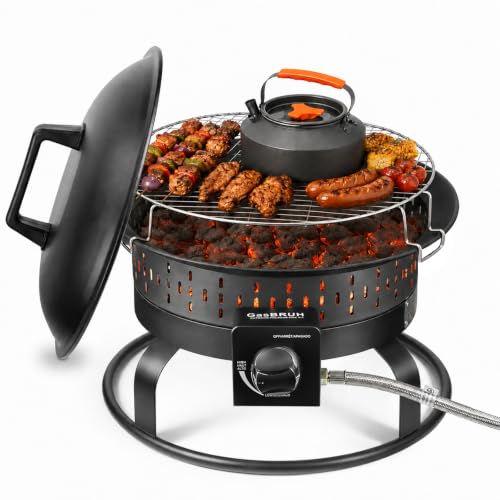
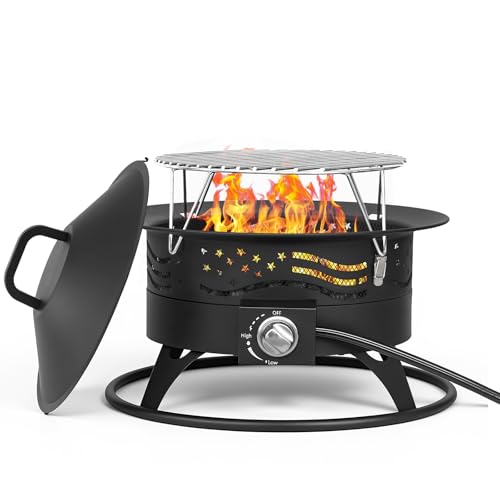
A propane fire pit with a cooking grate is a dual-purpose outdoor heating and cooking appliance. Unlike traditional wood-burning fire pits, these units are powered by a propane tank, offering instant ignition and precise flame control. The key feature is a durable metal grate that fits over the fire bowl, allowing you to use the fire as a heat source for grilling and cooking. This makes it an excellent choice for those who want the ambiance and warmth of a fire pit without the smoke, sparks, and cleanup associated with wood.
These units are a fantastic alternative to a traditional outdoor fireplace, especially for patios, decks, or small yards where smoke and embers are a concern. They provide a clean and efficient way to enjoy your outdoor space year-round.
Key Benefits of Choosing Propane
Choosing a propane model over a wood-burning one comes with several distinct advantages that make outdoor entertaining simpler and more enjoyable.
- Convenience and Speed: No need to gather wood, build a fire, and wait for it to burn down to coals. With propane, you simply turn a knob and have a cooking-ready fire in minutes.
- Clean and Smokeless: Propane burns cleanly, producing minimal smoke and no ash. This means you won't smell like a campfire, and you won't have to clean out the fire pit after each use. For more tips, see our guide on outdoor fireplace maintenance.
- Precise Temperature Control: The adjustable flame on a propane fire pit allows you to control the heat level, from a low, romantic flame to a high, intense heat for searing. This level of control is difficult to achieve with wood.
- Safety: With no flying embers or sparks, propane fire pits are generally safer to use around children and pets. Many models also include a safety shut-off valve. For related safety topics, you might find our article on fireplace ember safety useful, even though it focuses on indoor fireplaces.
Types of Propane Fire Pits with Cooking Grates
These versatile units come in several styles to match your outdoor space and needs.
Portable vs. Permanent
- Portable Fire Pits: These are smaller, lighter, and often come with wheels or carrying handles. They are ideal for camping, tailgating, or for those who like to rearrange their patio frequently. Many are designed to use standard 20-lb propane tanks, often stored in a concealed compartment. A small portable fire pit for camping or patio use is a great example of this type.
- Permanent (Built-in or Freestanding): These are larger, heavier units designed to be a permanent fixture on a patio or in a backyard. They often use a larger propane tank or can be connected to a home's natural gas line. A freestanding propane gas fireplace is a similar concept for heating, but a fire pit is specifically designed for the outdoors.
Tabletop vs. Full-Size
- Tabletop Fire Pits: These are smaller, compact versions that sit on top of a table. They are great for small balconies and provide ambiance, but their cooking capabilities are limited to small items like marshmallows or keeping a dish warm. They are more for ambiance than serious cooking.
- Full-Size Fire Pits: These are the standard, freestanding models that sit on the ground. They provide more heat and a larger cooking surface, making them suitable for grilling for a group. A round concrete natural gas fire pit is a good example of a permanent, full-size option.
Essential Features to Look For
When shopping for a propane fire pit with a cooking grate, paying attention to these features will ensure you get a high-quality product that meets your needs.
1. BTU Rating and Heat Output
BTU (British Thermal Units) measure the heat output of the fire pit. For outdoor heating, a higher BTU rating means more warmth. For cooking, a good BTU output is essential for searing. Entry-level models often have lower BTU ratings, while premium models offer much higher outputs. Understanding the heating capacity and BTU guide can help you determine how much heat you need for your space.
2. Material and Construction
Since it will be exposed to the elements, the material is crucial for durability.
- Steel: Common and affordable, but can rust if not properly maintained. Powder-coated steel offers better protection.
- Stainless Steel: Highly durable, rust-resistant, and easy to clean. A top-tier choice for longevity.
- Cast Aluminum or Iron: Durable and often designed to look like traditional materials, but can be heavy. Cast iron requires more maintenance to prevent rust.
- Stone or Concrete: Often used for permanent fire pits, these offer a high-end, built-in look but are not portable. Natural stone and concrete are durable but can be porous and require sealing.
3. Ignition System
Most propane fire pits come with one of two ignition types:
- Push-Button (Manual) Ignition: You press a button while holding a lighter or match to the burner. It's reliable but less convenient.
- Electronic Ignition: A battery-powered system that creates a spark to light the burner. It's more convenient and often found on mid-range to high-end models. Some even offer a remote control for easy operation, similar to a remote control gas fireplace burner.
4. The Cooking Grate
Not all grates are created equal. Look for a grate made from durable, high-temperature-resistant material like stainless steel. It should be sturdy enough to hold pots and pans and fit securely over the fire bowl. Consider the size and shape—a larger, rectangular grate offers more cooking space, while a circular one fits the fire bowl perfectly.
5. Safety Features
Safety should be a top priority. Look for features like a thermocouple or flame-sensing safety shut-off valve, which automatically cuts off the gas supply if the flame goes out. A sturdy base is also important to prevent tipping. Always practice safe operation, much like you would with an indoor gas fireplace.
Installation and Setup
One of the biggest advantages of a propane fire pit is its ease of setup.
- Assembly: Most portable models require minimal assembly, typically attaching the legs or base.
- Propane Connection: You'll need a standard propane tank (often a 20-lb grill tank). The fire pit will have a hose and regulator that connects directly to the tank. Always check for leaks using a soapy water solution before first use.
- Placement: Choose a level, non-flammable surface. Keep the fire pit at a safe distance from your home, furniture, and any overhanging branches. While permanent fire pits are often a built-in feature, a portable one offers flexibility. For those considering a more permanent installation, a DIY gas fireplace project shares some similar principles of gas line connection, but always consult a professional.
Maintenance and Care
To ensure your fire pit lasts for years, regular maintenance is key.
- Cover It: When not in use, always cover your fire pit with a waterproof cover to protect it from rain, snow, and dust.
- Clean the Burner: Periodically check the burner ports for blockages (like spider webs or dust) and clean them with a wire brush. This is similar to maintaining a gas fireplace burner.
- Clean the Grate: After cooking, clean the cooking grate with a grill brush once it has cooled down.
- Check for Leaks: Periodically inspect the hose and connections for signs of wear or leaks.
- Inspect the Fire Bowl: Clean out any debris and check for rust or damage, especially if it's a steel model.
Cooking Tips for Your Propane Fire Pit
Your fire pit is more than just a heat source; it's an outdoor kitchen.
- Prep Your Food: Have everything ready before you light the fire, as cooking over a fire can be fast.
- Manage the Flame: Use a lower flame for cooking delicate foods like fish or vegetables, and a higher flame for searing steaks or burgers.
- Use the Right Tools: Long-handled tongs and spatulas are essential to keep your hands safe from the heat.
- Try Foil Packet Meals: This is an easy, no-mess way to cook vegetables, fish, or even small pieces of chicken directly on the coals or grate.
- Don't Forget Dessert: Roasting marshmallows for s'mores is a classic fire pit activity that everyone loves.