Primer for Painting Brick Fireplace: The Ultimate Guide
Transform your outdated brick fireplace with the right primer. Learn how to choose, prepare, and apply the best primer for a flawless, long-lasting painted finish.
Why Priming a Brick Fireplace Is Essential
Painting a brick fireplace can dramatically update your living space, turning a dated focal point into a modern design feature. However, brick is a highly porous and alkaline material, and skipping the primer is the single most common reason DIY paint jobs fail. A high-quality primer for painting a brick fireplace is not just a recommendation—it is a requirement for a durable, professional-looking result.
Brick surfaces are uneven, absorbent, and often have residual soot, efflorescence, or sealants. Without proper priming, paint can peel, flake, or absorb unevenly, leading to a patchy appearance that is difficult to correct. The right primer seals the brick, blocks stains, and creates a uniform surface that helps your topcoat adhere beautifully. For a broader overview of fireplace renovation, you can explore our DIY fireplace makeover guide, but this article focuses specifically on the critical priming step.
Types of Primer for Painting a Brick Fireplace
Not all primers are created equal. The best primer for your project depends on the condition of your brick, the type of paint you plan to use, and the level of heat exposure. Here are the most effective options:
1. Masonry Primer (Alkali-Resistant)
Brick is naturally alkaline, and moisture can cause alkaline salts to leach to the surface, a phenomenon known as efflorescence. An alkali-resistant masonry primer is specifically formulated to neutralize this alkalinity and prevent the paint from being degraded. This is often the best all-around choice for interior brick fireplaces that are not subject to extreme heat.
- Best for: Interior brick fireplaces, especially those with a history of efflorescence or dampness.
- Considerations: Look for a water-based or solvent-based masonry primer that explicitly states it is alkali-resistant.
2. Bonding Primer
Bonding primers are designed to adhere to challenging, smooth, or glossy surfaces. While brick is not smooth, a bonding primer can be beneficial if your brick has been previously sealed or painted with a glossy finish. It creates an extremely strong bond between the brick and the topcoat, reducing the risk of peeling.
- Best for: Previously painted or sealed brick, or when using a high-quality acrylic topcoat.
- Considerations: Bonding primers are often more expensive, but they offer superior adhesion. They are an excellent choice for a painting over brick fireplace before and after transformation.
3. Heat-Resistant Primer
If the brick surface you are painting is directly exposed to high temperatures—such as the interior of the firebox or the immediate surround—you need a primer designed for high-heat applications. Standard primers may fail or discolor under extreme heat.
- Best for: The firebox interior and the first few inches of brick surrounding the opening.
- Considerations: Heat-resistant primers are typically limited in color (often clear or black) and are not intended for the entire fireplace facade. For the main body of the fireplace, a standard masonry or bonding primer is sufficient.
4. Shellac-Based Primer
Shellac-based primers are renowned for their ability to block tough stains, including soot, smoke, and water marks. If your brick fireplace has heavy soot stains that cannot be fully removed by cleaning, a shellac-based primer is an excellent choice. It dries quickly and seals odors as well.
- Best for: Fireplaces with heavy soot or smoke damage.
- Considerations: Shellac-based primers require alcohol or ammonia for cleanup and have strong fumes, so proper ventilation is essential.
| Primer Type | Best Use Case | Key Benefit | Considerations |
|---|---|---|---|
| Masonry (Alkali-Resistant) | Interior brick, general use | Neutralizes alkalinity, seals porous brick | Water or solvent-based; check for alkali resistance |
| Bonding Primer | Previously painted or sealed brick | Superior adhesion to difficult surfaces | Higher cost; excellent for glossy surfaces |
| Heat-Resistant Primer | Firebox interior and immediate surround | Withstands high temperatures without failing | Limited colors; not for entire facade |
| Shellac-Based Primer | Heavy soot or smoke stains | Blocks stains and odors effectively | Strong fumes; requires special cleanup |
How to Prepare Your Brick Fireplace for Primer
Proper preparation is just as important as the primer itself. A dirty or poorly prepped surface will prevent even the best primer from adhering correctly. Follow these steps for optimal results:
- Clear the Area: Remove all furniture, decor, and fireplace accessories from the surrounding area. Cover the floor and nearby walls with drop cloths or plastic sheeting.
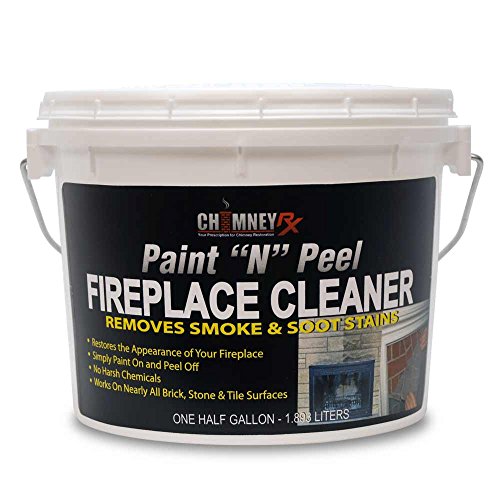
- Clean the Brick: Use a stiff brush and a solution of warm water and a mild detergent to remove dust, dirt, and cobwebs. For soot stains, use a specialized fireplace cleaner or a mixture of trisodium phosphate (TSP) and water. Rinse thoroughly and allow the brick to dry completely. For a deeper dive into cleaning, see our guide on how to clean fireplace brick and stone.
- Repair Damage: Fill any cracks or gaps in the brick or mortar with a heat-resistant mortar or caulk. Allow it to cure according to the manufacturer's instructions. If you need to replace damaged bricks, consider using heat-resistant bricks for fireplace applications.
- Remove Loose Paint: If the brick has been previously painted and the paint is peeling, scrape away all loose and flaking paint with a wire brush or putty knife. Sand the edges smooth.
- Test for Sealer: If your brick has been sealed, the primer may not adhere. Test by applying a few drops of water to the surface. If the water beads up, a sealer is present. You will need to use a bonding primer or remove the sealer with a chemical stripper.
- Tape Off Surrounding Areas: Use painter's tape to protect the mantel, hearth, walls, and any metal fireplace components from primer and paint.
Applying Primer to a Brick Fireplace: Best Practices
Applying primer to brick is different from painting a smooth wall. The textured surface requires specific tools and techniques to ensure full coverage.
Tools You Will Need
- Brush: A high-quality, angled sash brush (2 to 2.5 inches) for cutting in around edges and getting into deep mortar joints.
- Roller: A thick-nap roller (3/4-inch to 1-inch nap) is essential for reaching into the pores and crevices of the brick. A standard 3/8-inch nap roller will not work effectively.
- Sprayer: For large fireplaces, an airless paint sprayer can save time, but it requires careful masking and back-rolling to work the primer into the brick.
- Extension Pole: For reaching high areas safely.
Step-by-Step Application
- Stir the Primer: Mix the primer thoroughly. Do not shake, as this can introduce air bubbles.
- Cut In First: Use your brush to cut in around the edges of the fireplace, the mantel, and the hearth. Work the primer into all the nooks and crannies of the mortar joints.
- Roll the Main Area: Pour primer into a paint tray and use your thick-nap roller to apply it to the main brick surface. Work in small sections (2x2 feet) and use a crisscross pattern to ensure the primer is pushed into all the pores. Do not be afraid to use a generous amount of primer.
- Back-Brush if Spraying: If you are using a sprayer, follow immediately with a brush or roller to work the primer into the brick. This step, called back-rolling or back-brushing, is critical for proper adhesion.
- Allow to Dry: Follow the manufacturer's recommended dry time. Typically, you will need to wait at least 2 to 4 hours before applying a second coat or the topcoat. Some primers may require overnight drying.
- Apply a Second Coat if Needed: For heavily textured or porous brick, a second coat of primer may be necessary to achieve a uniform, sealed surface. This is especially true if you are making a dramatic color change, such as painting a dark brick fireplace white.
Once your primer is fully cured, you are ready to apply your topcoat. For a comprehensive guide on the entire painting process, including topcoat selection and finishing, refer to our article on painting over brick fireplace before and after.
Common Mistakes to Avoid When Priming a Brick Fireplace
Even with the right primer, certain mistakes can compromise your results. Avoid these pitfalls:
- Skipping the Primer Entirely: As mentioned, this is the most common mistake. Bare brick will absorb paint unevenly and may cause the paint to fail prematurely.
- Using the Wrong Primer: Using a standard drywall primer on a high-heat area or a non-alkali-resistant primer on bare brick can lead to discoloration or peeling.
- Not Cleaning Thoroughly: Dirt, soot, and grease will prevent the primer from bonding. Take the time to clean properly.
- Applying Too Thin: Brick is thirsty. A thin coat of primer will not seal the surface adequately. Apply a generous, even coat and be prepared to apply a second if needed.
- Using the Wrong Roller: A thin-nap roller will leave the primer sitting on the surface of the brick, not worked into the pores. Always use a thick-nap roller.
- Painting Over a Sealed Surface Without Bonding Primer: If your brick is sealed, a standard masonry primer may not adhere. Use a bonding primer or remove the sealer first.
Frequently Asked Questions
Do I really need a special primer for a brick fireplace?
Yes. Brick is highly porous and alkaline. A standard primer may not adhere properly or may be degraded by the alkalinity. A masonry or bonding primer is specifically designed to seal the brick and create a stable surface for the topcoat.
Can I use a regular primer if I'm painting the brick white?
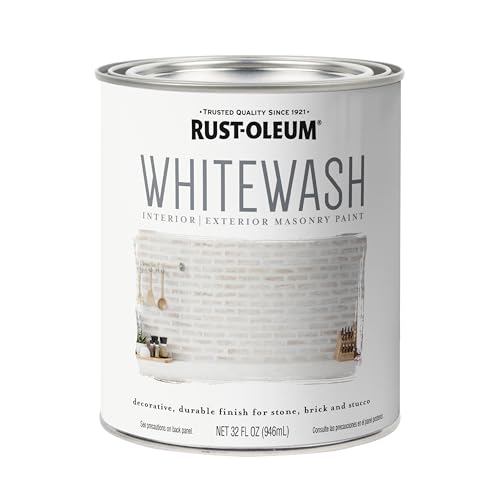
You can use a high-quality bonding primer or a masonry primer. However, if you are making a dramatic color change from dark to light, you may need a stain-blocking primer to prevent the old color from bleeding through. A shellac-based primer is a good choice for this scenario.
How long should I wait after priming before painting?
This depends on the primer you use. Most water-based primers require 2 to 4 hours of dry time before recoating or topcoating. Solvent-based or shellac-based primers may dry faster (as little as 30 to 60 minutes) but require proper ventilation. Always check the manufacturer's instructions on the can.
What about the firebox interior? Can I paint that too?
You can paint the firebox interior, but you must use a heat-resistant primer and a high-heat paint specifically designed for fireboxes. Standard primers and paints will fail under the high temperatures of a fire. For more information on heat-resistant materials, see our guide on heat-resistant mortar for fireplace and related products.
Is it necessary to sand the brick before priming?
Generally, no. Brick is already rough, and sanding is not typically required. However, if there are rough or uneven spots from previous paint or repairs, a light sanding with a medium-grit sandpaper can help smooth the surface. Always wipe away dust after sanding.
Can I use a primer and paint in one product?
For a brick fireplace, it is not recommended. Paint-and-primer-in-one products are designed for smooth surfaces and do not have the sealing and bonding properties needed for porous, alkaline brick. Using a dedicated primer first is the best way to ensure a durable finish.
Ready to Transform Your Fireplace?
Now that you understand the importance of a primer for painting a brick fireplace, you are ready to start your project. Remember to choose the right primer, prepare the surface thoroughly, and apply it with care.
Find the Best Primer for Your Project