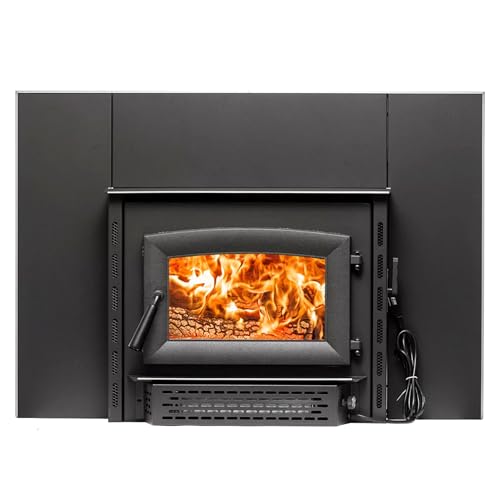
Prefab Outdoor Fireplace Wood Burning: A Complete Guide
Discover how a prefabricated wood-burning outdoor fireplace can transform your backyard into a cozy, year-round retreat. Learn about types, installation, benefits, and key considerations before you buy.
Why Choose Prefab? A prefab outdoor fireplace wood burning offers the charm of a traditional masonry fireplace with the convenience of a pre-engineered kit. It's a smart investment for homeowners seeking a balance of aesthetic appeal, efficient heating, and manageable installation.
What Is a Prefab Outdoor Wood Burning Fireplace?
A prefab outdoor fireplace is a factory-made unit designed for exterior installation. Unlike traditional masonry fireplaces built brick-by-brick on-site, these units are pre-assembled or delivered as a kit. When designed for wood burning, they feature a firebox, chimney, and often a spark screen. They are engineered for safety and efficiency, making them an excellent choice for patios, decks, and backyard living spaces. For those interested in the broader context of fireplace types, understanding the fundamentals is key, as outlined in our beginner's guide to fireplaces.
Key Benefits of a Prefab Wood Burning Outdoor Fireplace
- Faster Installation: Prefab units can often be installed in a fraction of the time required for traditional masonry, sometimes in a single weekend with a professional.
- Cost-Effective: Generally more budget-friendly than custom masonry, with predictable material and labor costs. For a detailed breakdown, see our guide on fireplace cost breakdown.
- Design Consistency: Factory manufacturing ensures precise dimensions and a uniform look, from the firebox to the chimney.
- Efficiency: Many modern prefab wood-burning fireplaces are designed with efficiency in mind, providing better heat output than open masonry hearths. Learn more about energy-efficient fireplace types.
- Portability (Some Models): Certain freestanding prefab units can be moved if you relocate, though most permanent kits are stationary.
Types of Prefab Outdoor Wood Burning Fireplaces
Prefab outdoor fireplaces come in several configurations to suit different spaces and design preferences:
- Freestanding Units: These are self-contained and can be placed on a patio or deck. They are often made of steel or cast iron and may include a chimney. For a related option, explore free-standing outdoor wood-burning fireplaces.
- Built-in Kits: These are designed to be integrated into a wall or structure, such as an outdoor kitchen or a covered patio. They offer a more permanent and custom look. You might also consider an outdoor wood fireplace with a pizza oven for added functionality.
- See-Through (Double-Sided): Ideal for dividing spaces, these units allow you to enjoy the fire from two sides. A related concept is the indoor-outdoor see-through wood-burning fireplace.
- Fireplace Inserts: While typically for indoor use, some heavy-duty inserts are designed for outdoor applications. You can learn more about outdoor wood-burning fireplace inserts.
Materials and Construction Quality
The durability of your prefab outdoor fireplace depends heavily on its materials. Look for these quality indicators:
- Steel: Often used for the firebox and structural frame. Corten steel or stainless steel offers excellent weather resistance.
- Cast Iron: Durable and retains heat well, often used for grates and doors.
- Refractory Brick or Panels: Used to line the firebox to withstand high temperatures.
- Finish: Powder-coated finishes or natural stone veneers can enhance appearance and protect against the elements. A premium unit will often feature better quality steel and a more robust chimney system compared to an entry-level model.
Installation: What You Need to Know
Proper installation is critical for safety and performance. Here are key points:
- Foundation: Most prefab units require a level, non-combustible surface like a concrete pad or a gravel base. Some smaller units may be placed directly on a patio.
- Clearance: Always adhere to the manufacturer's specified clearance requirements from walls, furniture, and overhangs. For general guidelines, see our article on furniture distance from fireplace.
- Chimney Height: The chimney must be tall enough to ensure proper draft and safely vent smoke away from your home and outdoor living areas.
- Permits: Check local building codes and obtain necessary permits before installation. Our guide on fireplace permit requirements can provide general insights.
- Professional vs. DIY: While some kits are DIY-friendly, complex installations or those involving gas lines (for starters) are best left to professionals. Read about DIY vs professional installation.
Efficiency and Heating Capacity
While primarily for ambiance, a well-designed prefab wood-burning outdoor fireplace can provide significant radiant heat. Efficiency is influenced by the firebox design, insulation, and the use of a door or screen. To understand how to match a fireplace's output to your space, refer to our heating capacity and BTU guide. While it may not heat an entire home, it can make a patio comfortable on a cool evening. For those curious about whole-home heating, read can a fireplace heat an entire house?
Maintenance and Safety Tips
To ensure your prefab outdoor fireplace lasts for years, follow these maintenance practices:
- Regular Cleaning: Remove ash and debris after each use. For a comprehensive routine, see our outdoor fireplace maintenance guide.
- Inspect for Damage: Check for rust, cracks in the firebox, or damage to the chimney cap. Annual inspections are recommended, similar to an annual fireplace inspection.
- Chimney Care: Have the chimney cleaned as needed, especially if you burn frequently. Our chimney cleaning guide provides detailed steps.
- Safe Burning: Use only dry, seasoned hardwood to minimize creosote buildup. Never leave a fire unattended, and keep a fire extinguisher nearby. Learn more about creosote buildup prevention.
- Weather Protection: Use a cover when not in use to protect against rain and snow.
Choosing the Right Model: Consider your space, desired heat output, and budget. An entry-level model might be perfect for occasional use, while a premium unit offers better durability and a more refined look. Think about the overall design of your outdoor space; a contemporary outdoor fireplace design might suit a modern patio, while a rustic one fits a cabin-style setting.
Prefab vs. Other Outdoor Fireplace Options
How does a prefab wood-burning unit compare to other options?
- vs. Masonry: Prefab is faster and often more affordable, but masonry offers ultimate customization and a traditional look. See a comparison in our built-in vs freestanding fireplace guide.
- vs. Gas: Gas offers instant ignition and no ash, but wood burning provides authentic crackle and aroma. Compare them in gas vs electric or electric vs gas vs wood comparisons.
- vs. Fire Pits: Fire pits are more portable and affordable, but a fireplace provides a more defined focal point and better chimney draw. Check out fire pit vs outdoor fireplace.
Common Mistakes to Avoid
- Ignoring local building codes and permit requirements. Always verify before purchasing.
- Placing the unit too close to combustible materials. Adhere strictly to clearance specs.
- Underestimating the importance of a proper foundation, leading to instability.
- Neglecting regular maintenance, which can lead to safety hazards and reduced lifespan.
- Choosing a unit that is too large or small for your space. Use our fireplace sizing worksheet to help decide.
Frequently Asked Questions (FAQ)
Can I install a prefab wood-burning fireplace myself?
Some kits are designed for DIY installation, but it depends on the complexity, local codes, and your comfort level. Professional installation is often recommended for safety and warranty compliance. See our DIY fireplace feasibility guide.
Do I need a chimney for a prefab outdoor fireplace?
Yes, most wood-burning prefab fireplaces require a chimney or vent to safely exhaust smoke. Some models come with an integrated chimney, while others require a separate kit. For general information, see do fireplaces need a chimney?
How much maintenance does it require?
Regular ash removal, annual inspections, and occasional chimney cleaning are necessary. It's similar to maintaining an indoor wood-burning fireplace. Refer to our wood fireplace maintenance guide.
Can a prefab outdoor fireplace be used on a wooden deck?
Only if it is specifically rated for such installation and placed on a non-combustible hearth pad with proper clearances. Always check the manufacturer's instructions and local codes. Our ventilation requirements article may offer more context.
Conclusion
A prefab outdoor fireplace wood burning is a wonderful addition to any home, offering warmth, ambiance, and a gathering point for friends and family. By understanding the types, materials, installation, and maintenance, you can make an informed decision that enhances your outdoor living space for years to come. Always prioritize safety, quality, and compliance with local regulations. For more guidance on selecting the right fireplace for your needs, explore our fireplace buying guide.