Portable Outdoor Fireplaces Wood Burning
The complete guide to choosing, using, and enjoying a portable wood-burning outdoor fireplace for your patio, deck, or backyard.
START EXPLORINGWhy portable wood-burning fireplaces? They bring the charm of a real wood fire to any outdoor space without permanent installation. Whether you rent, have a small patio, or simply want flexibility, a portable wood-burning fireplace delivers ambiance, warmth, and cooking potential on your terms.
What Is a Portable Outdoor Wood-Burning Fireplace?
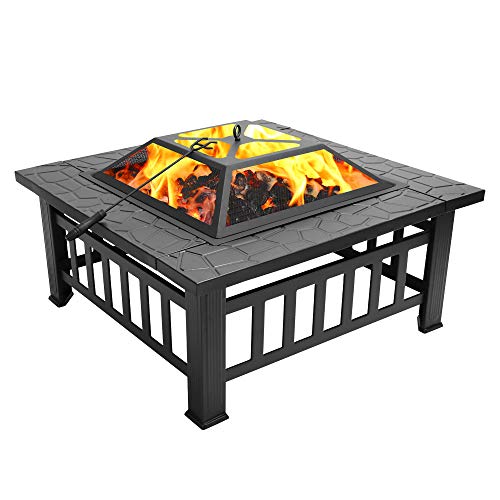
A portable outdoor wood-burning fireplace is a freestanding unit designed to burn natural wood logs, typically constructed from steel, cast iron, or heat-resistant materials. Unlike built-in masonry fireplaces, these units require no chimney, no permanent gas line, and no electrical connection. They are self-contained, mobile, and intended for outdoor use on patios, decks, backyards, and campsites.
These fireplaces range from simple fire bowls and chimineas to sophisticated fire pits with spark screens, log grates, and cooking grills. Some models are designed for ambiance only, while others serve as functional outdoor heaters and even cooking stations. The key distinction is portability: you can reposition them as needed, store them during off-season, and take them with you when you move.
For those considering a broader comparison of outdoor heating options, our outdoor fireplaces guide covers built-in, gas, and wood-burning alternatives. If you're specifically looking for wood-burning inserts to upgrade an existing masonry fireplace, see our wood-burning insert with glass doors resource.
Why Choose Wood Burning Over Gas or Electric?
Wood burning offers a multisensory experience that gas and electric units cannot fully replicate: the crackle of burning logs, the earthy aroma, and the radiant heat that feels different from forced-air or infrared warmth. For many homeowners, the ritual of building and tending a fire is part of the appeal.
From a practical standpoint, wood-burning portable fireplaces do not depend on fuel lines or electricity, making them ideal for remote locations, power outages, or simply avoiding utility costs. They also tend to be more affordable to purchase than comparable gas or electric models, especially at the entry-level and mid-range tiers. However, they require more hands-on maintenance, including ash cleanup and chimney or spark arrestor care.
If you're weighing wood against other fuel types, our electric vs gas vs wood comparison provides a detailed breakdown. For those considering a pellet or combination option, see combination pellet and wood burning stove.
Key Features to Evaluate Before Buying
When shopping for a portable wood-burning outdoor fireplace, consider these factors:
- Material and construction: Entry-level units often use thinner steel, while mid-range and premium models use cast iron, heavy-gauge stainless steel, or ceramic-lined fireboxes for better heat retention and durability.
- Size and heating radius: Smaller tabletop models are for ambiance; larger freestanding units can provide meaningful warmth for a patio seating area. Check the manufacturer's recommended heating area if warmth is a priority.
- Safety features: Spark screens, log grates, and sturdy bases are essential. Some models include a spark arrestor to reduce ember escape.
- Portability: Consider weight, handles, and whether the unit breaks down for transport. Cast iron models are durable but heavy; steel models are lighter but may not retain heat as long.
- Cooking capability: Some portable wood fireplaces include grill grates or support a rotisserie. If you want dual-purpose cooking and warmth, look for models with adjustable cooking heights.
- Maintenance requirements: Ash removal, rust prevention, and seasonal cleaning are part of ownership. Our outdoor fireplace maintenance guide covers best practices.
For those who need a fireplace for a smaller space, our wood-burning fireplaces for small spaces article offers additional targeted advice.
Safety and Placement Guidelines
Portable wood-burning fireplaces are safer than open fire pits because they contain the fire, but they still require responsible use. Always place your unit on a non-combustible surface such as concrete, stone, or a fire-resistant mat. Keep it at least 10 feet away from structures, low-hanging branches, and flammable materials. Never use a wood-burning fireplace indoors, in a garage, or under a covered area with limited ventilation.
Use dry, seasoned hardwood to minimize smoke and creosote buildup. Avoid softwoods, treated lumber, and trash. Never leave a fire unattended, and keep a fire extinguisher or water source nearby. For a comprehensive safety reference, see our fireplace ember safety guide and furniture distance from fireplace recommendations.
If you're considering a wood-burning fireplace for a screened porch, our wood-burning fireplace for screened porch article addresses specific ventilation and safety concerns.
Top Use Cases for Portable Wood-Burning Fireplaces
These fireplaces shine in a variety of outdoor settings:
- Patio and deck gatherings: Extend your outdoor entertaining season into cooler evenings.
- Backyard ambiance: Create a focal point for relaxation without permanent construction.
- Camping and RV trips: Some portable units are designed for travel, though always check local fire regulations.
- Cooking: Grilling over wood adds flavor; look for models with adjustable grill grates.
- Rental properties: No permanent modifications needed.
For those interested in DIY outdoor fireplace projects, our garden fireplace DIY guide may provide additional inspiration. If you're furnishing an outdoor living space, see outdoor furniture with gas fire pit table for complementary ideas.
Maintenance and Longevity Tips
To maximize the lifespan of your portable wood-burning fireplace, clean out ash after each use once the unit has fully cooled. Inspect for rust and touch up with high-heat paint as needed. Store the unit in a dry place during extended periods of non-use. For detailed seasonal care, consult our seasonal fireplace checklist and fireplace maintenance schedule.
If you're also maintaining an indoor wood-burning fireplace, our wood fireplace maintenance guide covers chimney care and creosote prevention.
How to Choose the Right Size for Your Space
Portable outdoor fireplaces are available in three broad size categories:
- Compact (tabletop and small bowls): Best for ambiance on a small balcony or patio. These are entry-level in size and typically burn smaller logs.
- Mid-size (standard fire pits and chimineas): Suitable for a seating area of 4–6 people. These mid-range units offer a balance of portability and heat output.
- Large (heavy-duty freestanding fireplaces): Designed for spacious backyards and extended outdoor living areas. Premium models may include cooking attachments and enhanced heat radiation.
If you need help calculating heating needs for an indoor fireplace, our fireplace heating capacity BTU guide provides useful principles that also apply to outdoor heating. For small-space solutions, see best fireplace for small spaces.
Frequently Asked Questions
Can I use a portable wood-burning fireplace on a wooden deck?
Yes, but always place it on a non-combustible mat or patio stone. Never place it directly on wood. Check local fire codes and keep a safe distance from railings and overhead structures.
How much heat does a portable wood-burning fireplace produce?
Heat output varies widely by size and design. Compact units provide ambiance and localized warmth, while large freestanding models can radiate meaningful heat for a seating area. For precise indoor heating calculations, see our how to size a fireplace guide.
Are portable wood-burning fireplaces allowed in apartments?
Policies vary by building and municipality. Always check with your landlord and local fire department. For indoor alternatives, see our apartment fireplace installation guide.
What type of wood should I burn?
Seasoned hardwood such as oak, maple, or ash is best. Avoid softwoods, green wood, and treated lumber. Proper fuel improves efficiency and reduces smoke.