Combination Pellet and Wood Burning Stove: The Ultimate Dual-Fuel Guide
Discover how a hybrid stove can offer the convenience of pellets and the traditional charm of wood, giving you unmatched flexibility and heating efficiency.
For homeowners seeking the ultimate in heating flexibility, a combination pellet and wood burning stove represents the pinnacle of modern hearth technology. These innovative appliances, also known as dual-fuel or hybrid stoves, allow you to burn both wood logs and wood pellets in the same unit. This dual capability provides a unique advantage: the satisfying, traditional ambiance of a wood fire when you have the time to tend it, and the push-button convenience of a pellet stove when you don't.
This guide will explore everything you need to know about these versatile heating solutions. We'll cover how they work, their key benefits and drawbacks, and what to consider before making a purchase. If you're still exploring your options, our comprehensive fireplace buying guide can provide a broader overview. For those interested in the pellet side of the equation, you might also want to read about the most efficient pellet stoves on the market.
How Does a Combination Stove Work?
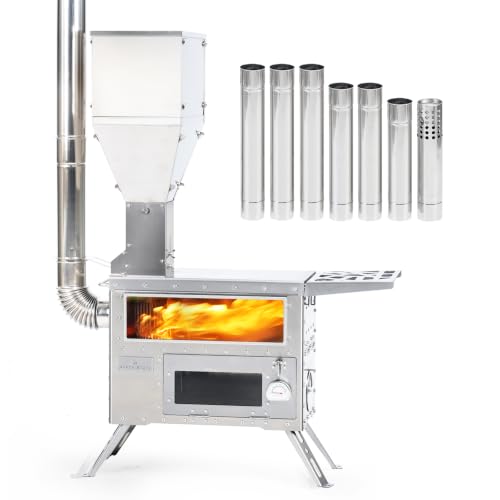
A dual-fuel stove is engineered with two distinct, yet integrated, systems. The wood-burning mode functions like a traditional stove, using a firebox, a grate, and a manually controlled air intake to burn cordwood. The pellet mode, on the other hand, utilizes a hopper, an auger, and a combustion blower to automatically feed pellets into a burn pot. The sophisticated control system manages the transition between these two modes, ensuring safe and efficient operation.
Key Takeaway: Unlike a simple multi-fuel stove that can burn different solid fuels (like wood and coal), a true combination pellet and wood stove has dedicated, automated systems for pellets and a traditional setup for logs. This is a significant step up in technology and convenience.
Key Features & Unmatched Benefits
Ultimate Fuel Flexibility
Burn wood logs for a traditional fire on weekends or switch to pellets for effortless, automated heat during the workweek.
High Efficiency
In pellet mode, these stoves achieve exceptional efficiency ratings, often exceeding 80%, thanks to precise fuel and air control. Wood mode is also highly efficient in modern models.
Convenience & Comfort
Enjoy the best of both worlds: the ambiance of a real wood fire and the push-button, thermostat-controlled convenience of a pellet stove.
Eco-Friendly Operation
Wood pellets are a renewable, carbon-neutral fuel made from sawdust and agricultural byproducts. Burning wood is also carbon-neutral when sourced sustainably.
Wood Mode vs. Pellet Mode: A Quick Comparison
Understanding the difference between the two modes is crucial for deciding if a combination stove is right for you. The experience is quite different, and each mode has its own strengths. This table breaks down the key differences. For a more detailed look at heating capacities, see our guide on fireplace heating capacity and BTU.
| Feature | Wood Burning Mode | Pellet Burning Mode |
|---|---|---|
| Convenience | Manual (loading, lighting, tending) | Automated (hopper-fed, thermostat-controlled) |
| Ambiance | Traditional, authentic wood fire view | Consistent, active flame pattern, less traditional |
| Efficiency | High (70-80% for modern EPA-certified units) | Very High (80-90%+ in some models) |
| Fuel Storage | Requires space for cordwood | Requires space for pellet bags (more compact) |
| Ash Production | More frequent ash removal required | Less ash; some models have auto-clean systems |
What to Consider Before You Buy
Investing in a dual-fuel stove is a significant decision. Here are the most important factors to weigh:
- Venting Requirements: All wood and pellet stoves require proper venting. This is a critical safety and performance consideration. You can learn more in our guide on whether you need a chimney or vent.
- Installation: Proper installation by a certified professional is essential for safety, insurance, and optimal performance. While some projects are DIY-friendly, stove installation is often best left to the experts. Compare the options in our article on DIY vs. professional fireplace installation.
- Maintenance: While convenient, these stoves are not maintenance-free. They require regular cleaning of the burn pot, ash removal, and annual servicing. A good maintenance routine is key, similar to what's outlined in our fireplace maintenance schedule. For pellet-specific care, see our guide to pellet stove maintenance and service.
- Budget: Combination stoves are generally more complex and sit in a higher tier than single-fuel models. The entry-level models can be more affordable than premium units, which offer more advanced features and larger hoppers.
- Noise Level: In pellet mode, you will hear the auger and fans operating. In wood mode, the stove is virtually silent.
Frequently Asked Questions (FAQ)
Can I burn pellets and wood at the same time?
No. Combination stoves are designed to operate in one mode at a time. You must choose either wood or pellet mode. Mixing fuels can damage the stove and create safety hazards.
Are combination stoves more expensive to maintain?
They can have higher maintenance requirements due to having two systems. The pellet system requires more frequent cleaning of the burn pot and ash pan, while the wood system requires chimney inspections and ash removal. However, the flexibility they offer is often worth the trade-off.
Do I need a special chimney for a combination stove?
Yes. You will typically need a Class A chimney and a liner that is rated for both wood and pellet exhaust. Always follow the manufacturer's specifications for venting, and consult with a professional installer to ensure your setup is safe and up to code.
Is a combination stove worth it?
If you value both the ambiance of a wood fire and the convenience of a pellet stove, a combination stove is an excellent choice. It offers unparalleled flexibility, allowing you to adapt your heating to your schedule and fuel availability.