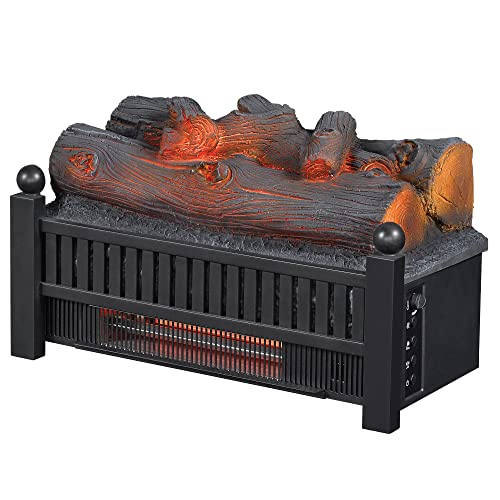
Cast Iron Fireplace Insert With Blower: The Complete Guide
Transform your inefficient open fireplace into a powerful heating source. Learn how a cast iron insert with a blower works, its benefits, and how to choose the right one for your home.
VIEW RECOMMENDED MODELSWhy Choose Cast Iron with a Blower? Cast iron is renowned for its ability to absorb and radiate heat long after the fire dies down. When paired with a blower, it becomes a highly efficient heating machine, distributing warm air evenly across your living space.
What Is a Cast Iron Fireplace Insert With a Blower?
A cast iron fireplace insert is a metal box designed to fit into your existing masonry or prefabricated fireplace. Unlike a traditional open hearth, which loses most of its heat up the chimney, an insert is a closed system that dramatically improves heating efficiency. The "cast iron" component refers to the material used for the firebox and often the door, known for its superior heat retention and durability compared to steel.
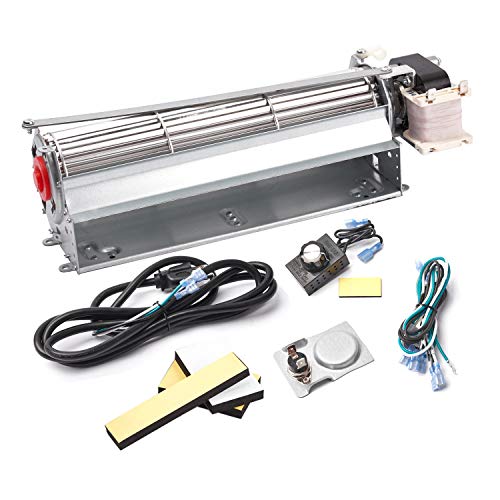
The "blower" is an integrated fan that pushes heated air out into the room, rather than letting it radiate passively. This combination—the heat-soaking properties of cast iron and the active air circulation of a blower—creates one of the most effective ways to heat a home with wood. For homeowners looking to upgrade an old, inefficient fireplace, this is a top-tier solution. You can learn more about the general categories in our guide to types of fireplaces.
How Does a Cast Iron Insert With a Blower Work?
Understanding the mechanics helps you appreciate the value. Here’s the step-by-step process:
- Contained Combustion: You build a fire inside the insert's cast iron firebox. The closed door (usually with a glass viewing window) controls the air intake, leading to a more complete and hotter burn.
- Heat Absorption: The cast iron walls absorb the intense heat from the fire. Cast iron's high thermal mass means it holds onto this heat, continuing to radiate it even after the flames have subsided.
- Active Air Circulation: The blower fan pulls cool air from the room, passes it over the hot exterior surfaces of the firebox (often through a heat exchanger), and blows the now-warmed air back into the room.
- Improved Efficiency: By capturing heat that would otherwise escape, a cast iron insert with a blower can achieve efficiency ratings of 70% or higher, compared to the 10-20% of a traditional open fireplace.
This active system is far more effective at heating a room than a passive radiant insert. It's a key reason why many homeowners consider this upgrade as impactful as a full fireplace buying guide decision.
Key Benefits of a Cast Iron Insert With Blower
Superior Heating Efficiency
Drastic reduction in heat loss up the chimney. The blower distributes warmth quickly, making it a viable primary or secondary heat source for your home.
Exceptional Heat Retention
Cast iron's thermal mass means it continues to release heat long after the fire has died down, providing consistent warmth throughout the night.
Reduced Emissions
A controlled burn in a cast iron insert produces fewer pollutants and creosote than an open fire, contributing to a cleaner environment and a safer chimney.
Enhanced Safety
The closed door and contained firebox prevent sparks and embers from escaping into your living room, offering peace of mind, especially in homes with children or pets.
Year-Round Aesthetics
Many models feature large glass doors, allowing you to enjoy the ambiance of a real fire even when the blower is off. It's a beautiful focal point for any room.
Increased Home Value
A high-efficiency heating appliance is a desirable feature for potential homebuyers, often seen as an upgrade that adds tangible value to your property.
How to Choose the Right Cast Iron Insert With Blower
Selecting the perfect model involves several key considerations to ensure it meets your heating needs and fits your space.
1. Sizing and BTU Output
The insert must be sized correctly for the room you intend to heat. An oversized unit will burn inefficiently and can overheat the space, while an undersized one won't provide enough warmth. The key metric is BTU (British Thermal Units). As a general rule, you need about 20-30 BTUs per square foot of living space in a moderately insulated home. For a detailed calculation, refer to our guide on heating capacity and BTU.
2. Blower Features
Not all blowers are created equal. Look for models with variable speed fans, which allow you to control the airflow and noise level. A thermostat control is another premium feature that automatically turns the blower on and off to maintain a consistent temperature, optimizing both comfort and efficiency. These features are often found on more advanced models. You can compare different fan systems in our article on blower vs. fan.
3. Efficiency Ratings
Look for inserts with high efficiency ratings, often expressed as a percentage (e.g., 70-80%). Higher efficiency means more heat for your home and less waste. Modern, high-end models are engineered to meet stringent EPA (Environmental Protection Agency) standards for emissions and efficiency.
4. Installation and Fit
Measure your existing fireplace opening carefully. The insert must fit inside, and there should be a proper connection to a stainless steel liner that runs the full height of your chimney. This is not a simple DIY project for most homeowners and requires professional installation. Our guide on fireplace installation provides a helpful overview of what to expect.
5. Style and Aesthetics
While function is paramount, you'll also want an insert that complements your home's decor. Options range from traditional black cast iron to more contemporary designs with sleek lines and large glass viewing areas. The choice between a built-in vs freestanding fireplace also applies to inserts, though inserts are by definition built-in.
Installation and Maintenance Essentials
Proper installation is critical for safety and performance. A professional installer will ensure the insert is correctly connected to a chimney liner and that all clearances to combustibles are met. Regular maintenance is also key to longevity and efficiency. This includes periodic inspections of the door gasket, the blower, and the chimney. For a complete schedule, see our fireplace maintenance hub. Keeping the glass clean is also important for both aesthetics and safety; our guide on how to clean fireplace glass offers practical tips.
Frequently Asked Questions
Can a cast iron insert heat my entire house?
While a single insert is typically used to heat a primary living area, a high-efficiency model with a powerful blower can contribute significantly to heating a whole house, especially in open-plan layouts. For a detailed discussion, see our article on whether a fireplace can heat an entire house.
Is a cast iron insert better than a steel one?
Both have merits. Cast iron is better at retaining and radiating heat, providing warmth long after the fire dies. Steel heats up faster but also cools down more quickly. The choice depends on your heating priorities.
How loud is the blower?
Modern blowers are designed to be relatively quiet, especially on lower settings. Premium models often have variable-speed fans that allow you to find a balance between airflow and noise.
Do I need a chimney liner?
Yes, almost always. A stainless steel liner is required to safely vent the insert and ensure proper draft. It also protects your chimney from creosote and heat damage. Our guide on whether you need a chimney or vent explains this in detail.
What is the lifespan of a cast iron insert?
A well-maintained cast iron insert can last for decades, often 20 years or more. The cast iron itself is extremely durable, and blowers can be replaced if they fail.
Ready to Upgrade Your Home's Heating?
Explore our top recommendations for cast iron fireplace inserts with blowers and find the perfect model for your needs.
SEE RECOMMENDED PRODUCTS