Outdoor Kitchen Ideas: The Ultimate Guide to Your Backyard Culinary Space
Transform your patio into a fully functional outdoor kitchen. Discover design layouts, essential components like grills and fireplaces, and expert tips for creating the perfect space for cooking and entertaining.
Start Your DesignThe Heart of the Home, Outside: An outdoor kitchen is more than just a grill; it's a destination. It extends your living space, encourages gathering, and elevates every meal into an event. Our philosophy is simple: a well-designed outdoor kitchen blends seamlessly with your home's architecture and your lifestyle, making every outdoor gathering unforgettable.
Designing Your Perfect Layout
The success of your outdoor kitchen lies in its layout. A well-planned space improves workflow, maximizes your available area, and creates a welcoming atmosphere. Before you start, consider how you plan to use the space. Are you a solo griller or do you love hosting large parties? The answer will dictate your design. For those planning a full outdoor living area, exploring outdoor fireplace ideas can provide a great starting point for integrating warmth and ambiance.
Consider the classic "work triangle" principle from indoor kitchens. The distance between your grill, prep area, and refrigerator should be efficient and unobstructed. Common layouts include the L-shape, which is great for corner spaces and defines the cooking area well. A straight or galley layout is perfect for smaller patios or balconies, keeping everything within easy reach. For larger, more luxurious spaces, a U-shaped kitchen offers ample counter space and storage, making it ideal for serious entertainers.
If your home features an open-concept living area, you might want to create a seamless flow to the outside. This concept, often seen in designs for an open concept living room ideas, translates beautifully to outdoor spaces, where the indoor and outdoor kitchens feel like a single, cohesive environment. For a more dedicated outdoor dining experience, a layout that accommodates a outdoor dining table with fire pit in the middle can create a stunning focal point that brings people together.
Essential Components: Grills & More
The grill is the undisputed centerpiece of any outdoor kitchen. Your choice here will define your cooking capabilities. Beyond the grill, you'll want to consider other components that make the space functional and enjoyable.
- The Grill: From high-performance gas grills to traditional charcoal and kamado-style cookers, the options are vast. Built-in models create a sleek, integrated look, while freestanding grills offer flexibility. The right choice depends on your preferred cooking style and how much space you have. A mid-range grill often provides a great balance of features and durability for most homeowners.
- Refrigeration: An outdoor-rated refrigerator is a game-changer, eliminating trips back and forth to the main house. Under-counter models are perfect for keeping drinks and ingredients cold.
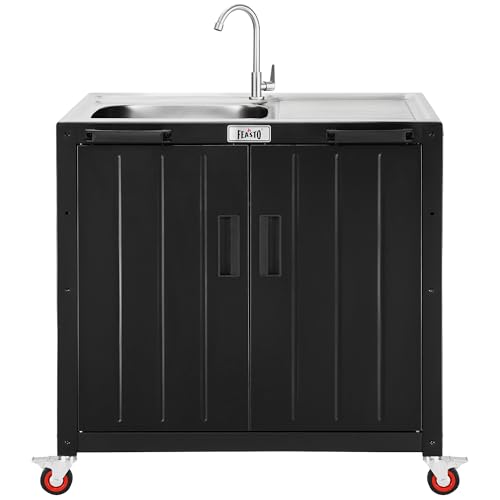
- Sink and Prep Area: A dedicated sink with a prep station streamlines your cooking process. This is essential for washing vegetables, marinating meats, and easy cleanup. It’s a key element that elevates an outdoor cooking area into a true kitchen.
- Storage and Cabinets: Weather-resistant cabinets and drawers keep your tools, accessories, and serveware organized and protected. Look for materials like stainless steel or marine-grade polymer, which are built to withstand the elements.
- Countertops: Your countertop material should be durable and weather-resistant. Natural stone, such as granite or quartzite, is a premium choice that handles heat well. For a more rustic look, consider concrete or sealed tile.
Integrating a Fireplace or Fire Pit
Adding a fireplace or fire pit to your outdoor kitchen transforms it from a functional cooking space into a true outdoor living room. It provides warmth on cool evenings, extends your entertaining season, and adds a mesmerizing visual focal point. You can explore a variety of designs and placements by looking at indoor-outdoor fireplace ideas, which can offer inspiration for see-through units that serve both areas.
For a truly cohesive design, consider a outdoor covered patio with fireplace and kitchen. A covered structure allows you to use your outdoor kitchen and fireplace even in light rain or harsh sun. When choosing a fireplace, you have several options. A traditional outdoor wood-burning fireplace offers an authentic crackle and aroma, while gas models provide convenient, instant flames. For smaller spaces or a more portable option, a outdoor wood-burning fire pit for wooden deck can be a fantastic alternative, but ensure you check local safety codes for clearances.
If your outdoor kitchen is part of a larger renovation, be sure to create a comprehensive fireplace remodel checklist to ensure you don't miss any critical steps, from permits to material selection. The goal is to create a space that feels as comfortable and complete as any room inside your home.
Choosing Durable Materials
Your outdoor kitchen will be exposed to the elements, so material selection is crucial for longevity and low maintenance. The choices you make will determine how well your investment holds up over time.
For countertops, natural stone like granite and quartzite are excellent for their durability and heat resistance. However, they require periodic sealing. Concrete countertops offer a customizable, modern look but can be prone to cracking if not properly reinforced and sealed. Tiles, particularly porcelain or natural stone, offer a classic look, but ensure they are rated for outdoor use and have a non-slip finish.
For cabinetry, stainless steel is the gold standard for a modern, clean look and ultimate durability. It is resistant to rust and easy to clean, making it a top-tier choice. For a more traditional or rustic aesthetic, consider frames made from powder-coated steel or aluminum with weather-resistant panels. Another popular option for a rustic feel is to use stone or brick to build a base, which can be complemented by elements like a stone fireplace mantel ideas on an integrated fireplace. These materials are inherently durable and require minimal maintenance. Choosing the right materials upfront ensures your outdoor kitchen remains a beautiful and functional part of your home for years to come.
Understanding Value: Product Tiers
When planning your outdoor kitchen, it's helpful to think in terms of product tiers rather than specific numbers. This approach ensures your content and expectations remain relevant over time, regardless of market fluctuations.
- Entry-Level: These products focus on core functionality and affordability. You'll find basic grills and components that get the job done. They may use lighter-gauge materials and have simpler designs, but they are a great starting point for a starter outdoor kitchen.
- Mid-Range: This is the sweet spot for most homeowners. Mid-range products often offer better construction, more powerful burners, and improved features like rotisserie kits or side burners. They typically use higher-quality stainless steel and offer more refined designs. A mid-priced grill, for example, usually provides more even heating and better temperature control than an entry-level model.
- Premium: Premium products are for the serious outdoor chef or entertainer. They are built with heavy-duty, high-grade materials, offer advanced features like infrared searing burners or integrated lighting, and often come with extensive warranties. This tier delivers the highest level of performance, durability, and design sophistication.
- Luxury: The luxury tier represents the pinnacle of outdoor kitchen design. These are fully custom, built-in solutions using the finest materials and craftsmanship. They may include features like pizza ovens, kegerators, and custom stonework, creating a one-of-a-kind culinary destination.
Frequently Asked Questions
Do I need a permit to build an outdoor kitchen?
Permit requirements vary widely by location. Generally, if you are running gas, electrical, or plumbing lines, or building a permanent structure, you will likely need a permit. Always check with your local building department before starting construction. For a broader look at installation regulations, you can review fireplace permit requirements, as many of the same rules apply to outdoor cooking structures.
Can I use a ventless gas fireplace in an outdoor kitchen?
Ventless appliances are designed for indoor use where ventilation is a concern. For outdoor use, a vented or vent-free gas appliance is generally recommended. However, you must ensure the area is well-ventilated. For safety guidelines, you should always refer to ventless fireplace safety information and local codes, even when using them outdoors. An outdoor-specific gas fireplace is the best choice.
How far should a grill be from the house?
A good rule of thumb is to keep a gas grill at least 10 feet away from any combustible wall or structure. For charcoal grills, the distance should be even greater, often 15 feet or more. This is to prevent heat damage and fire hazards. This principle is similar to safety advice for indoor units, such as furniture distance from fireplace guidelines.
How do I protect my outdoor kitchen in the winter?
Protection is key to longevity. Cover your grill and other appliances with high-quality, waterproof covers. If possible, shut off gas and water lines leading to the kitchen. For a more permanent solution, consider building your outdoor kitchen under a covered patio. Proper maintenance is crucial, much like the routines described in a seasonal fireplace checklist, though adapted for your outdoor cooking equipment.