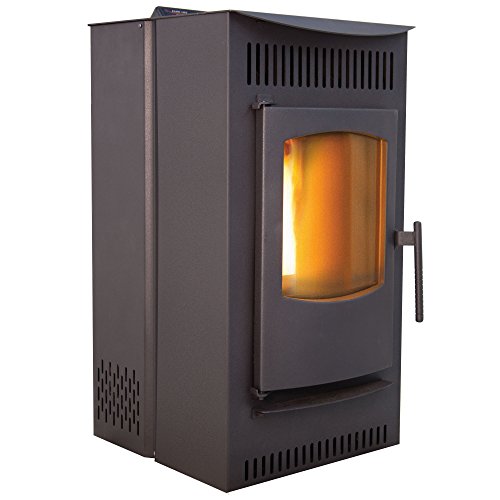
Finding the Most Efficient Pellet Stove on the Market
Your complete guide to understanding pellet stove efficiency, key features, and top-tier models for maximum heat and minimum waste.
Start Your ResearchOur Philosophy: An efficient pellet stove is an investment in comfort and sustainability. We believe informed homeowners make the best decisions. This guide will help you understand what makes a pellet stove efficient, so you can choose the perfect model for your home.
What Does "Most Efficient" Really Mean?
When you begin your search for the most efficient pellet stove on the market, you will encounter a few key terms. Understanding these is the first step toward making a smart purchase. Unlike traditional wood stoves, pellet stoves are renowned for their controlled combustion and high heat transfer rates. But what separates a good stove from a great one?
Efficiency is primarily measured by the **Heating Efficiency (HHV)** rating. This percentage tells you how much of the fuel's potential energy is converted into usable heat for your home. A higher percentage means less fuel is wasted up the chimney and more heat stays in your living space. The most efficient models on the market today can achieve ratings well over 80%, with some premium models reaching into the low 90s.
Another crucial factor is the **BTU (British Thermal Unit)** output. This measures the stove's heating capacity. A stove with a high efficiency rating but a low BTU output is like a fuel-efficient car with a tiny engine—it might not be powerful enough for your needs. The key is to find a stove that balances a high efficiency rating with an appropriate BTU output for the square footage you need to heat. For a deeper dive into heating capacity, our BTU guide is an excellent resource.
Key Features of a High-Efficiency Pellet Stove
Several technological features contribute to a pellet stove's overall efficiency. When comparing models, look for these indicators of a top-tier design.
- Advanced Combustion Technology: The most efficient stoves use a multi-stage combustion system. This typically involves a primary burn in the fire pot and a secondary burn of the gases and particles in a separate chamber. This ensures a more complete burn, extracting more heat from every pellet and reducing emissions.
- Smart Controllers and Thermostats: Modern pellet stoves come with sophisticated control boards. A smart controller can modulate the feed rate and fan speed to maintain a precise temperature, preventing the stove from overheating and wasting fuel. This is far more efficient than a simple on/off thermostat. You can learn more about optimizing your setup in our thermostat guide.
- High-Quality Heat Exchangers: The heat exchanger is the part of the stove that transfers heat from the fire to the air in your room. A larger, more complex heat exchanger with more surface area will capture more heat before it escapes up the flue.
- Automatic Ignition and Cleaning: While not directly related to combustion efficiency, features like automatic ignition and self-cleaning burn pots improve daily efficiency and convenience. An automatically ignited stove starts faster and more cleanly, and a self-cleaning pot maintains optimal airflow for consistent combustion.
Efficiency Is Maintained, Not Just Purchased
A high-efficiency rating on a spec sheet is only the beginning. The real-world performance of your stove depends heavily on a consistent maintenance routine. A dirty stove is an inefficient stove. Ash and creosote buildup in the burn pot, heat exchanger, and venting system will restrict airflow and act as insulation, preventing heat from transferring to your room.
Regular maintenance is non-negotiable for peak efficiency. This includes daily ash removal, weekly cleaning of the burn pot and heat exchanger, and an annual deep clean of the entire system, including the venting. For a comprehensive checklist, refer to our fireplace maintenance schedule. Neglecting these tasks can cause your stove's efficiency to drop significantly and may lead to operational issues. If you notice performance problems, our troubleshooting guide can help you diagnose common issues.
The Role of Pellet Fuel Quality
The most efficient pellet stove in the world will underperform if you feed it low-quality fuel. The quality of your pellets directly impacts combustion efficiency, heat output, and the amount of ash produced. High-quality pellets are made from hardwoods, have low moisture content (below 10%), and low ash content (below 1%).
Look for pellets certified by the Pellet Fuels Institute (PFI). These pellets are graded for density, moisture, ash, and fines (dust), ensuring a consistent and efficient burn. Using softwood pellets or pellets with high moisture content will result in lower heat output, more frequent cleaning, and higher fuel consumption. If you are considering a dual-fuel setup, understanding the nuances between fuel types is beneficial, as discussed in our article on a combination pellet and wood-burning stove.
Sizing and Installation for Optimal Efficiency
Choosing a stove that is too large or too small for your space is a common mistake that kills efficiency. An oversized stove will heat your room too quickly and then cycle on and off frequently, which is an inefficient way to operate and creates temperature swings. An undersized stove will run constantly at maximum output, struggling to maintain the desired temperature and consuming fuel at a high rate.
To find the right size, you need to calculate the heating requirements for your space. Factors like ceiling height, insulation quality, window area, and climate all play a role. A professional installer can help you perform an accurate assessment. Proper installation is also critical. The venting configuration must be correct for the stove model to ensure a proper draft and safe operation. For those considering a DIY approach, our guide on DIY fireplace feasibility can provide a starting point, but professional installation is often recommended for pellet stoves. If you're exploring different installation types, you might also be interested in our comparison of built-in vs freestanding fireplaces.
Efficiency and the Environment
High efficiency goes hand-in-hand with environmental responsibility. A stove that burns fuel more completely produces fewer emissions, including particulate matter and carbon monoxide. The most efficient pellet stoves on the market are often certified by the EPA, meeting strict standards for emissions. Pellet fuel itself is considered a renewable energy source, often made from sawmill waste and other wood byproducts.
By choosing a highly efficient stove and burning high-quality pellets, you are not only saving on fuel but also minimizing your environmental footprint. It's a win-win for your home and the planet. This focus on efficiency is a growing trend across all home heating categories, from electric fireplaces to all fireplace types.
Frequently Asked Questions
What is a good efficiency rating for a pellet stove?
A good efficiency rating for a pellet stove is typically 75% or higher. The most efficient models on the market can exceed 85% and even reach into the low 90s. Always compare the HHV efficiency ratings when shopping.
Do more efficient pellet stoves cost more?
Generally, yes. Stoves with advanced combustion systems, smart controllers, and superior heat exchangers are in the premium or high-end tier. However, the long-term savings on fuel and the increased comfort can often justify the higher initial investment. You can explore the general cost breakdown of fireplaces to understand the different pricing tiers.
Can I use a pellet stove as my primary heat source?
Yes, a properly sized high-efficiency pellet stove can serve as a primary heat source for a well-insulated home, especially in moderate climates. For more information, see our article on whether a fireplace can heat an entire house.
How often do I need to clean my pellet stove to maintain efficiency?
You should clean the burn pot and remove ash daily or every other day during heavy use. A more thorough cleaning of the heat exchanger and venting should be done weekly and annually. Following a strict maintenance schedule is key to maintaining peak efficiency.