Zero Clearance Wood Burning Fireplace with Blower
Everything you need to know about high-efficiency, built-in wood fireplaces with forced-air heating — from how they work to installation, maintenance, and choosing the right model for your home.
Why consider a zero clearance wood burning fireplace with blower? Unlike traditional masonry fireplaces, these factory-built units can be installed almost anywhere with minimal clearance, and the integrated blower transforms them from a decorative feature into a serious heating appliance. This guide covers everything a informed buyer needs to know.
What Is a Zero Clearance Wood Burning Fireplace?
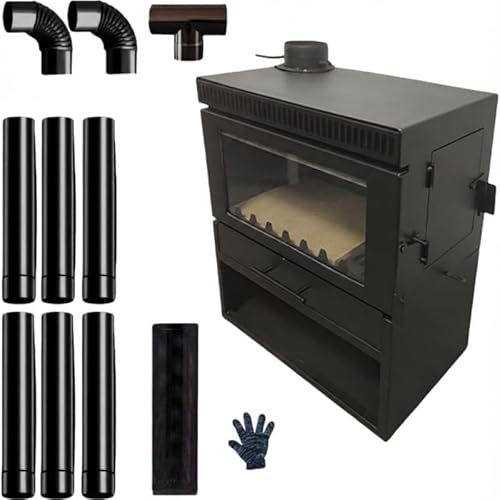
A zero clearance wood burning fireplace is a factory-built, prefabricated unit designed to be installed with minimal clearance to combustible materials such as wood framing, drywall, and insulation. Unlike traditional masonry fireplaces that require a full brick or stone chimney and significant foundation support, zero clearance models use a double-walled steel firebox with insulation and a dedicated chimney system.
The term "zero clearance" refers to the ability to frame the fireplace directly into a wall with little to no gap. This makes them ideal for new construction, renovations, and spaces where a masonry fireplace would be impractical or too expensive. When paired with a blower, the fireplace becomes a powerful heating system that can warm large areas efficiently.
If you're still exploring different fireplace technologies, our guide on types of fireplaces provides a helpful overview before diving deeper into zero clearance models.
How Does the Blower Improve Performance?
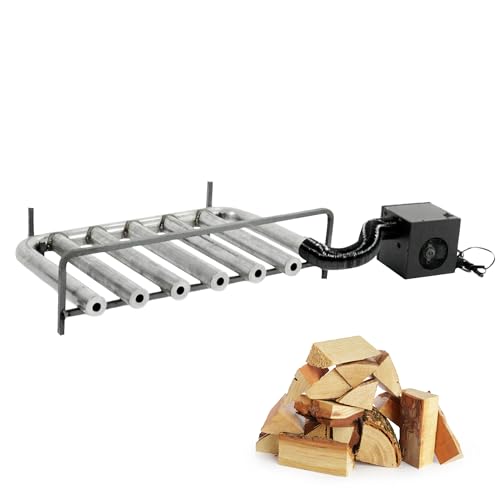
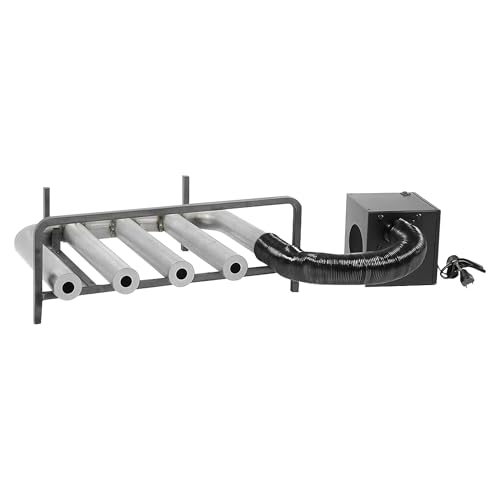
A blower (also called a fan or air circulator) is a mechanical device that moves air through channels around the firebox and out into the room. Without a blower, a wood burning fireplace primarily heats by radiation — you feel warmth when you're directly in front of it. With a blower, the unit becomes a convection heater, distributing warm air across the room.
Here's how it works:
- Cool air intake: The blower pulls cooler air from the room through vents at the bottom or sides of the fireplace.
- Heat exchange: Air passes through a heat exchanger surrounding the firebox, where it absorbs heat from the burning wood.
- Warm air distribution: The heated air is pushed out through vents at the top, circulating warmth throughout the space.
This forced-air system can increase the effective heating area by 50% or more compared to a radiant-only unit. Many modern blowers include variable speed controls and thermostatic switches, so they only run when the fireplace is hot enough. For a detailed explanation of blower types, see our fireplace blower fan guide.
Key Benefits of Zero Clearance Wood Burning Fireplaces with Blower
These fireplaces offer a unique combination of convenience, efficiency, and aesthetic appeal. Here are the main advantages:
- Flexible installation: Can be installed in almost any room, including basements and manufactured homes, with proper clearance and venting.
- High heating efficiency: EPA-certified models achieve 70–80% efficiency, especially when paired with a blower.
- Real wood fire ambiance: Enjoy the crackle, smell, and look of a genuine wood fire without the cost and complexity of masonry.
- Reduced clearance requirements: Safe installation close to combustible materials saves space and simplifies framing.
- Zone heating: Can supplement your central heating system, reducing energy bills in the rooms you use most.
- Increased home value: A built-in wood fireplace is an attractive feature for many buyers.
For a broader comparison of heating options, see our article on most energy-efficient fireplace types.
Pros and Cons at a Glance
✅ Advantages
- Heats large spaces effectively with blower
- Installs with minimal clearance to combustibles
- Real wood fire experience
- EPA-certified efficiency available
- Can be installed in bedrooms, basements, and additions
- Adds ambiance and home value
❌ Disadvantages
- Requires a chimney or direct vent system
- Needs regular maintenance (ash removal, chimney cleaning)
- Blower requires electricity to operate
- Wood storage and handling required
- Higher upfront cost than electric or gas options
- Local burn restrictions may apply in some areas
Efficiency Ratings and Sizing Your Fireplace
When choosing a zero clearance wood burning fireplace with blower, two critical factors are efficiency and heating capacity. Efficiency is measured by how much of the wood's energy is converted into usable heat. Modern EPA-certified models typically range from 60% to over 80% efficiency. Non-certified older models may be as low as 10–30%.
Sizing is equally important. A fireplace that's too small won't heat your space adequately, while one that's too large will burn inefficiently and produce excessive smoke. The key metric is BTU (British Thermal Units) output. As a general rule:
- Small rooms (up to 400 sq ft): 20,000–40,000 BTU
- Medium rooms (400–800 sq ft): 40,000–60,000 BTU
- Large rooms (800–1,200 sq ft): 60,000–80,000 BTU
- Open concepts (1,200+ sq ft): 80,000+ BTU
Our heating capacity BTU guide explains how to calculate your exact needs based on climate zone, insulation, and room layout. For a more detailed worksheet, see how to size a fireplace.
Zero Clearance vs. Traditional Masonry vs. Other Options
| Feature | Zero Clearance Wood + Blower | Traditional Masonry Wood | Electric Fireplace |
|---|---|---|---|
| Installation Complexity | Moderate (framing + venting) | High (foundation, masonry, chimney) | Low (plug-in or hardwired) |
| Heating Efficiency | High (70–80% with blower) | Low (10–30%) | Medium (up to 100% zone heating) |
| Clearance Requirements | Minimal (zero clearance) | Extensive | Minimal |
| Real Flame | Yes (wood) | Yes (wood) | No (LED or water vapor) |
| Maintenance | Moderate (ash, chimney) | High (chimney, masonry) | Low (dusting, occasional repair) |
| Best For | Whole-room heating + ambiance | Traditional aesthetics | Convenience and low maintenance |
If you're considering alternatives, our electric vs gas vs wood comparison and pros and cons by type articles can help you weigh the trade-offs.
Installation: What You Need to Know
Installing a zero clearance wood burning fireplace with blower is a significant project that typically requires professional expertise. Here are the key steps and considerations:
- Framing and clearance: Follow the manufacturer's instructions exactly. Clearances to combustibles are usually a few inches on the sides and back, but always verify.
- Venting/chimney: Most zero clearance models use a dedicated chimney system (often triple-wall insulated pipe). The chimney must extend above the roof line per code.
- Blower wiring: The blower needs a power source. Some models plug into a standard outlet, while others can be hardwired. Consider a wall switch or thermostat for convenience.
- Hearth extension: A non-combustible hearth pad is required in front of the fireplace to protect flooring from embers and heat.
- Permits and inspection: Most jurisdictions require a building permit and inspection. Check local codes before starting.
For a step-by-step overview, see our fireplace installation guide. If you're deciding between DIY and professional installation, this comparison will help you make an informed choice. Also useful: fireplace permit requirements.
Maintenance and Troubleshooting Tips
To keep your zero clearance wood burning fireplace operating safely and efficiently, regular maintenance is essential:
- Ash removal: Remove ashes regularly, especially before they reach the grate. See our ash removal and disposal guide.
- Chimney cleaning: Have the chimney inspected and cleaned annually to prevent creosote buildup. Our chimney cleaning guide explains when and how.
- Glass cleaning: Keep the glass door clean for optimal viewing and heat transfer. See how to clean fireplace glass.
- Blower maintenance: Dust the blower vents and fan blades periodically. If the blower stops working, check our blower fan troubleshooting guide.
- Seasonal checks: Before each heating season, inspect the firebox, door gaskets, and chimney. Our fall inspection checklist and seasonal maintenance checklist are useful resources.
For wood-specific care, see our wood fireplace maintenance guide. If you notice smoke coming into the room, the smoke problem troubleshooting guide can help diagnose the issue.
Who Is This Fireplace Best For?
A zero clearance wood burning fireplace with blower is an excellent choice for:
- Homeowners building or renovating: It offers the look and feel of a traditional fireplace without the masonry cost and complexity.
- Those seeking zone heating: If you want to reduce reliance on central heating in a specific area, this is a powerful option.
- Wood-burning enthusiasts: If you love the process and ambiance of a real wood fire, this delivers authenticity with modern efficiency.
- Homes with limited space: Zero clearance units fit into tight spaces where a masonry fireplace would not.
- Basement or addition projects: These fireplaces can be installed in below-grade or newly built spaces with proper venting.
If you're still deciding between built-in and freestanding options, see our built-in vs freestanding comparison. For small spaces, you might also explore small wood burning fireplaces or the best fireplace for small spaces.
Understanding Cost Tiers (Without the Numbers)
Rather than quoting specific prices, it's more useful to understand how zero clearance wood burning fireplaces with blowers are positioned in the market. Generally, you'll find three tiers:
- Entry-level: Basic models with standard efficiency ratings, simple blower systems, and fewer decorative options. Suitable for budget-conscious buyers who still want reliable performance.
- Mid-range: Improved efficiency, quieter and more powerful blowers, better firebox insulation, and more aesthetic choices (door styles, finishes). The sweet spot for most homeowners.
- Premium/Luxury: Top-tier efficiency, advanced combustion systems, variable-speed thermostatic blowers, large viewing areas, and high-end materials. For those who want the best performance and design.
Installation costs also vary based on chimney complexity, hearth requirements, and local labor rates. Our fireplace cost breakdown and hidden costs of owning a fireplace articles provide a framework for budgeting without relying on outdated price points.
Ready to Choose Your Zero Clearance Wood Fireplace?
Explore our recommended models below, hand-picked for performance, efficiency, and value.
View Recommended ModelsFrequently Asked Questions
It means the fireplace is designed and tested to be installed with minimal clearance to combustible materials — often just a few inches. This is possible because of the unit's insulated steel firebox and outer shell, which keep surface temperatures safe. Always follow the manufacturer's specific clearance requirements.
While some handy homeowners tackle the framing and finishing, the venting and gas/electrical connections often require professional installation to meet code and insurance requirements. We recommend consulting a certified installer, especially for the chimney system. See our DIY vs professional guide for more details.
Most modern blowers have a thermostatic switch that turns the fan on only when the fireplace reaches a certain temperature, and off when it cools down. Some also offer variable speed settings. This prevents blowing cold air and saves electricity.
Keep the blower intake and exhaust vents free of dust and debris. Vacuum the fan blades gently once or twice a year. If you notice unusual noise or reduced airflow, see our blower troubleshooting guide.
It depends on the size of the house, insulation, and layout. A high-efficiency unit with a powerful blower can serve as a primary heat source for a well-insulated home in a moderate climate, but most homeowners use it as a zone heater to supplement central heating. See can a fireplace heat an entire house for a detailed analysis.
Modern EPA-certified models burn wood much more cleanly than older fireplaces, producing less smoke and particulate matter. Wood is a renewable resource if sourced sustainably. However, always check local air quality regulations, especially in urban areas.
In fireplace terminology, they are often used interchangeably. Technically, a blower uses a centrifugal fan (squirrel cage) to move air at higher pressure, while a fan may refer to a simpler axial design. For practical purposes, both circulate air. See blower vs fan for more detail.
Some zero clearance fireplaces are blower-ready and can accept an optional blower kit. Check your model's manual. If it's not designed for one, adding a blower may not be safe or effective. See how to install a fireplace blower for general guidance.
Yes, all wood burning fireplaces require a venting system to exhaust smoke and gases. Zero clearance models use a dedicated chimney (often metal, insulated) rather than a masonry one. See do you need a chimney or vent for more.
Most manufacturers offer specific blower kits designed for their fireboxes. If you're replacing a blower, match the CFM (cubic feet per minute) rating to your fireplace's size and your room's volume. A higher CFM moves more air but may be noisier. Consult your manual or a hearth professional.