Gas Fireplace for Small Living Room: The Complete Guide
Transform your compact living space with the perfect gas fireplace. Learn how to choose, size, and install the ideal model for warmth and style.
START EXPLORINGWhy a Gas Fireplace? For small living rooms, a gas fireplace offers the perfect blend of ambiance, efficient heating, and convenience—without the mess of wood or the high energy draw of some electric models. This guide will help you navigate the options to find your perfect match.
Why a Gas Fireplace is Ideal for Small Living Rooms
When you're working with a compact living room, every square foot counts. A gas fireplace for small living room environments is often the most practical choice. Unlike traditional wood-burning fireplaces that require extensive clearance and a large chimney, modern gas units are designed for efficiency and flexibility. They provide instant, controllable heat and a realistic flame without the need for hauling logs or cleaning up ash. For a deeper understanding of how different fuel types compare, especially regarding heat output and efficiency, it's wise to review a detailed comparison of electric, gas, and wood fireplaces. This will help you confirm that gas aligns with your lifestyle and heating goals.
Furthermore, the range of designs is vast. You can find everything from sleek, modern linear models to traditional inserts that fit into an existing opening. The key is understanding the unique constraints and opportunities of a smaller room, which we will explore in this guide.
Sizing Your Gas Fireplace: The BTU Guide
Choosing the right size is the most critical step. An oversized fireplace will overwhelm a small room, making it uncomfortably hot, while an undersized one won't provide sufficient warmth. The standard measurement for fireplace heating capacity is British Thermal Units (BTU). To determine your needs, you can use a simple formula based on the room's square footage and climate zone. For a comprehensive walkthrough, refer to our guide on fireplace heating capacity and BTU calculation. As a rule of thumb, a small living room (around 150–300 sq ft) typically requires a fireplace with an output between 20,000 and 30,000 BTUs. However, factors like insulation, window quality, and ceiling height also play a role. A professional assessment or using a detailed fireplace sizing worksheet can help you pinpoint the ideal capacity.
Venting Options for Small Spaces
Venting is another major consideration. The three primary options are direct vent, natural vent (B-vent), and ventless (vent-free).
- Direct Vent: These are highly efficient and sealed units that draw air from outside and exhaust directly through a wall or roof. They are excellent for small rooms because they don't consume indoor air and offer great efficiency. You can learn more about installation specifics in our gas fireplace installation requirements.
- Natural Vent (B-Vent): These use a vertical chimney to exhaust gases and draw combustion air from inside the room. They are less efficient than direct vent models and may not be suitable for very tight, well-insulated small rooms.
- Ventless (Vent-Free): These are extremely flexible as they require no chimney or external venting, making them a popular choice for apartments and small homes. However, they release moisture and combustion byproducts into the room, so proper sizing and adherence to local codes are essential. Before considering this route, it's crucial to understand whether you need a chimney or vent for your specific situation.
Top Gas Fireplace Styles for Compact Living Rooms
Space-saving designs are plentiful. Here are the most effective types for a small living room:
- Gas Inserts: If you have an existing, non-functional wood-burning fireplace, a gas insert is a fantastic solution. It fits into the existing opening and dramatically improves efficiency. Our guide on built-in vs. freestanding fireplaces can help you decide which form factor works best.
- Wall-Mounted Gas Fireplaces: These are designed to be hung on a wall like a picture, saving valuable floor space. They are a stylish and modern option.
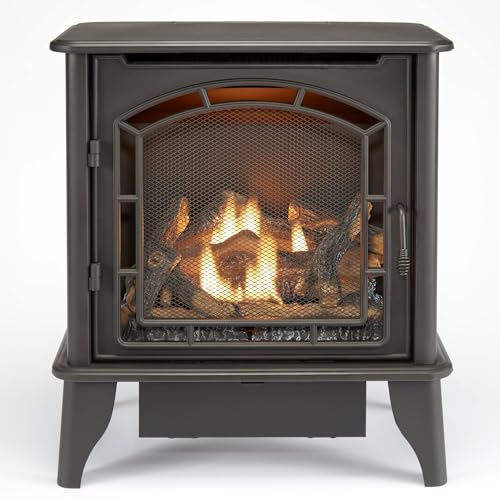
- Freestanding Gas Stoves: A freestanding gas stove can act as a focal point and provide significant heat. Many models are designed with a small footprint. You can find models that are specifically designed for heating efficiency.
- Linear Gas Fireplaces: These modern, wide-format fireplaces can be recessed into a wall, creating a sleek, minimalist look that doesn't intrude into the room.
For more inspiration on layouts, explore our article on design ideas for a small living room with a fireplace.
Efficiency, Safety, and Maintenance
Modern gas fireplaces are engineered for high efficiency, with many models achieving ratings above 80%. This means more heat stays in your room and less is wasted. When selecting a model, look for features like a sealed combustion chamber and an electronic ignition. Safety is paramount, especially in smaller spaces. Ensure your chosen unit is properly sized and installed by a professional. For ongoing peace of mind, a regular gas fireplace maintenance routine is essential. This includes annual inspections and cleaning, which you can learn more about in our gas fireplace inspection guide. If you ever encounter issues, our fireplace troubleshooting section can help you diagnose common problems.
Installation and Long-Term Value
Installation complexity varies by type. A ventless unit is the simplest to install, while a direct vent model requires careful planning for the venting path. It's always recommended to hire a certified professional. Understanding the fireplace cost breakdown and the hidden costs of owning a fireplace can help you budget effectively. While the initial investment might seem significant, a gas fireplace can add considerable value and comfort to your home. For a broader perspective on cost, you might look at guides on the cost of a gas fireplace insert and installation.
Final Tip: Always check local building codes and homeowner association rules before purchasing. A professional installer can guide you through the permitting process, which is often required for gas appliance installations.