
Free Standing Gas Stove for Heating
Your complete guide to choosing the best freestanding gas stove for efficient, reliable, and stylish home heating.
View Recommended ModelsWhy Choose a Free Standing Gas Stove? Unlike traditional fireplaces, a freestanding gas stove offers focused, zone heating that can warm a room quickly. They are highly efficient, easy to install, and come in a variety of styles to match any home decor. This guide will help you navigate the options to find the perfect model for your heating needs.
What is a Free Standing Gas Stove?
A free standing gas stove is a self-contained heating appliance that runs on natural gas or liquid propane. It is designed to stand independently on the floor, unlike a built-in fireplace or an insert. These stoves are engineered to provide zone heating, meaning they efficiently warm the immediate area around them, allowing you to lower your central thermostat and save energy. They simulate the look of a traditional wood-burning stove but operate with the convenience and cleanliness of gas. You can learn more about the general principles in our beginner's guide to fireplaces.
Vented vs. Ventless Gas Stoves: Which is Right for You?
This is the most critical decision when choosing a freestanding gas stove. The two main types are vented and ventless, each with distinct advantages and disadvantages.
| Feature | Vented Gas Stoves | Ventless (Vent-Free) Gas Stoves |
|---|---|---|
| Installation | Requires a chimney or direct vent through an exterior wall. | No venting required, offering flexible placement in almost any room. |
| Air Quality | All combustion byproducts are safely expelled outdoors. | Emits trace amounts of water vapor and CO2 into the room. Requires a well-ventilated space. |
| Efficiency | Slightly lower efficiency as some heat escapes through the vent. | Nearly 100% efficient, as all heat is released into the room. |
| Best For | Homes with existing chimney access or where air quality is a primary concern. | Apartments, basements, or rooms without easy access to a vent. Ideal for supplemental heat. |
For a deeper dive into venting options, you might find our article on whether you need a chimney or vent helpful. If you are considering a ventless model, it's crucial to understand the specific requirements, which are similar to those for a ventless gas heater with a thermostat.
Key Factors to Consider Before Buying
1. Heating Capacity (BTU)
BTU (British Thermal Units) measure the heating power of the stove. The right size depends on your room's square footage, insulation, and climate. As a general rule, you need about 20 BTUs for every square foot of living space. A stove with too few BTUs won't heat the room effectively, while one with too many will cycle on and off frequently, wasting energy. Our guide on heating capacity and BTU provides a more detailed calculation.
2. Efficiency Rating
Look for a stove with a high Annual Fuel Utilization Efficiency (AFUE) rating. This number indicates how much of the fuel is converted into usable heat. High-efficiency models, often found in the mid-range and premium tiers, will save you more on operating costs over time. You can compare this with other options in our article on the most energy-efficient fireplace types.
3. Style and Material
Free standing gas stoves come in a wide range of styles, from traditional cast iron to sleek, contemporary steel. Consider the finish (black, enamel, stainless steel) and the viewing window size. A larger window provides a better view of the flames and embers.
4. Features and Controls
Modern gas stoves offer convenient features like:
- Remote Control: For easy on/off and flame adjustment.
- Thermostat: To maintain a consistent room temperature. This is a common feature on many ventless gas heaters with a thermostat.
- Blower: A fan that helps circulate the heated air more effectively throughout the room. Models like a propane ventless heater with a blower can significantly improve heat distribution.
- Battery Backup: Ensures the stove can still be used during a power outage.
Installation and Safety Considerations
While a DIY gas fireplace might seem like a project, installing a gas stove is a job for a licensed professional. It involves connecting to a gas line and ensuring proper ventilation, which is critical for safety. Improper installation can lead to gas leaks or carbon monoxide buildup. Always refer to our guide on gas fireplace installation requirements for a general overview, but always hire a certified technician (NFI certified is a good standard) for the actual work.
Key safety points include:
- Clearances: Maintain the required distance from combustible materials like furniture, curtains, and walls. This is similar to the principles for furniture distance from a fireplace.
- Carbon Monoxide Detector: Install a CO detector in the same room as any gas appliance.
- Ventilation: For ventless models, follow the manufacturer's guidelines for room size and ventilation requirements. Our article on fireplace ventilation requirements provides more context.
Maintenance and Troubleshooting
To ensure your gas stove operates safely and efficiently, regular maintenance is key. This includes an annual fireplace inspection by a professional. You should also perform routine tasks like cleaning the glass and checking the burner. Our guide on how to clean a gas fireplace burner is also applicable to many stoves.
If you encounter issues, many problems are simple to diagnose. For example, if your stove won't light, it could be a simple fix. Our article on gas fireplace won't light covers common causes. If you notice a weak flame, refer to our guide on a gas fireplace weak flame. For a comprehensive list of issues and solutions, see our fireplace troubleshooting section.
Frequently Asked Questions (FAQ)
Can a free standing gas stove heat an entire house?
Generally, a free standing gas stove is designed for zone heating, not whole-house heating. However, a high-BTU model in a well-insulated, open-concept home might supplement your main heating system effectively. For a more in-depth answer, read our article on whether a fireplace can heat an entire house.
Do I need a chimney for a gas stove?
It depends on the type. Vented models require a chimney or a direct vent kit. Ventless models do not require a chimney, making them more flexible for installation in various rooms.
Are gas stoves expensive to run?
Running costs depend on your local gas prices and how often you use the stove. However, because they are highly efficient and used for zone heating, they can be more cost-effective than heating your entire home. Our articles on electric vs gas running costs and fireplace cost breakdown provide more details on general operating expenses.
Can I use a gas stove during a power outage?
Many modern gas stoves have a battery backup for the ignition system, allowing them to operate during a power outage. However, if the stove relies on an electric blower to circulate heat, it will not function as effectively. Always check the manufacturer's specifications.
Final Thoughts
Choosing a free standing gas stove for heating is an excellent way to add warmth and ambiance to your home while potentially reducing your energy bills. By understanding the differences between vented and ventless models, calculating your BTU needs, and prioritizing safety and professional installation, you can make a confident decision. For further guidance on the selection process, our fireplace buying guide and article on which fireplace is right for your home are valuable resources.
Recommended Free Standing Gas Stoves
⚠️ AFFILIATE DISCLOSURE: This website contains affiliate links. As an Amazon Associate, we earn from qualifying purchases. If you make a purchase through these links, we may receive a small commission at no additional cost to you. Read our full affiliate policy.

Duluth Forge Dual Fuel Ventless Gas Stove - 26,000 BTU, Remote Control, Matte Black Finish - Model# FDSR25
Check price on Amazon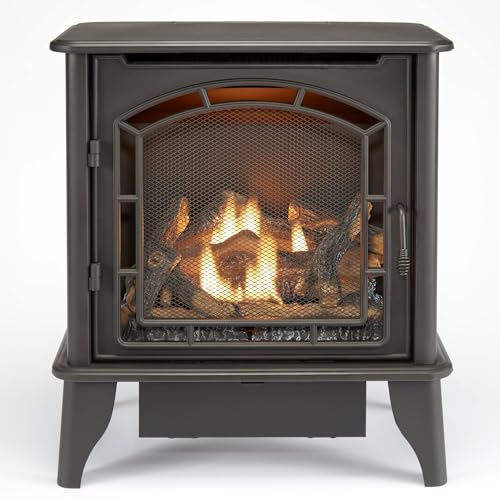
Bluegrass Living Panorama Vent Free Dual Fuel 3-Sided Gas Stove - 23,000 BTU, Remote Control, Black Finish - Model# BTSD23RT
Check price on Amazon
Pleasant Hearth VFS2-PH30DT 30,000 BTU 32" Intermediate Gas vent free stove, Black
Check price on Amazon
Duluth Forge Dual Fuel Ventless Gas Stove - 26,000 BTU, Remote Control, Matte Black Finish - Model# FDSR25
Check price on Amazon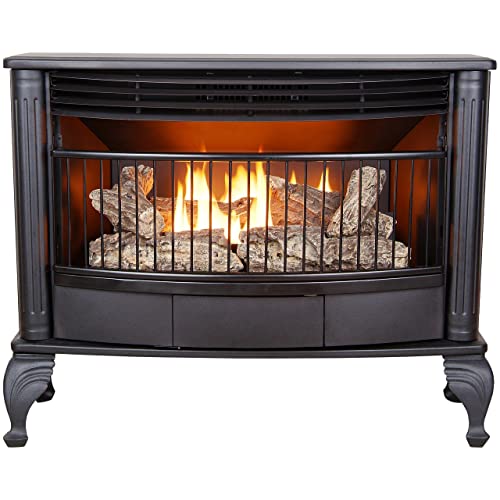
ProCom Ventless 25,000 BTU Space Saving Free Standing Dual Fuel Fireplace with Built In Thermostat Control Heats up to 1,100 Square Feet, Black
Check price on Amazon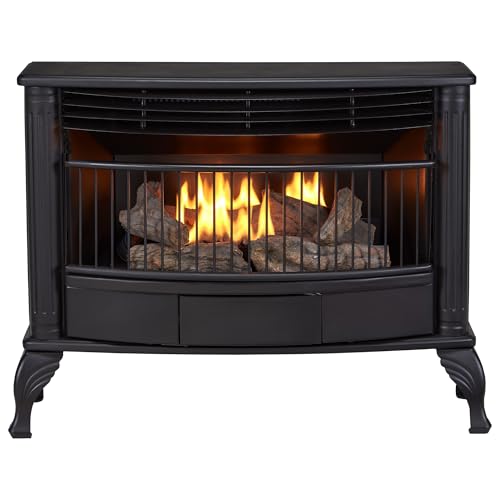
ProCom Ventless Dual Fuel Gas Stove - 25,000 BTU, Remote Control, Black Finish - Model# QNSD250RT
Check price on Amazon
Empire VFD30CC30FP Heritage Cast Iron Matte Black VF Stove - LP | Cast Iron Body, 25,000 BTU Contour Burner, Vent Free Heat, Compact Heritage Stove, VFD30CC30FP, Empire Comfort Systems
Check price on Amazon