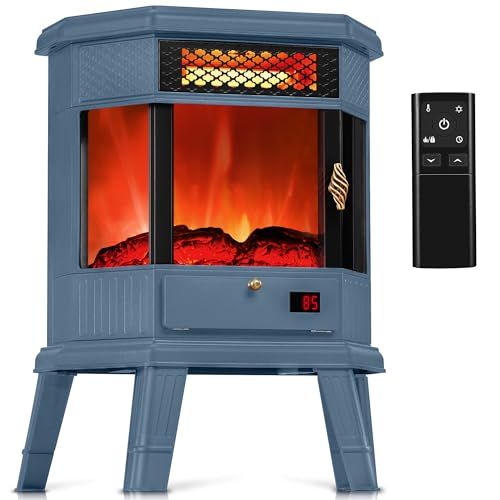
Freestanding Electric Fireplace for RV: The Complete Guide
Discover how a freestanding electric fireplace can transform your RV into a cozy, stylish retreat—without the need for venting, gas lines, or complex installation.
Start ReadingWhy a Freestanding Electric Fireplace for Your RV? RV living is all about freedom and comfort. A freestanding electric fireplace brings the warmth and ambiance of a traditional hearth to your home-on-wheels, with none of the hassle. No chimney, no propane, no fumes—just plug it in and enjoy. This guide will walk you through everything you need to know, from sizing and power to safety and style, so you can make a confident, informed purchase.
What Is a Freestanding Electric Fireplace?
A freestanding electric fireplace is a self-contained unit that doesn't require built-in installation. Unlike built-in or insert models, it stands independently on the floor or a sturdy surface, making it ideal for RVs where permanent modifications are often impractical. These units typically feature a realistic flame effect, a heating element, and a mantel or surround for added style.
For RV owners, the key advantage is portability and flexibility. You can move it from the living area to the bedroom, or even take it outdoors under a covered awning. It's a type of electric fireplace that combines convenience with the cozy aesthetic of a traditional hearth.
Why Choose Electric for Your RV?
Electric fireplaces are uniquely suited to RV life. Here's why:
- No Venting Required: Unlike gas or wood, electric models don't produce fumes, so you don't need a chimney or vent. This is a huge advantage in a tight RV space.
- Easy Installation: Most units are plug-and-play—just plug into a standard outlet.
- Safe and Clean: No open flames, no ash, no creosote. Electric fireplaces are carbon monoxide-free and safe for enclosed spaces.
- Zone Heating: Many models include a heater that can warm a specific area without heating the entire RV, saving energy.
- Year-Round Use: You can enjoy the flame effect without heat in summer, and turn on the heater when it's chilly.
If you're considering different fuel types, our electric vs gas vs wood comparison can help you weigh the options. For RVers, electric is often the clear winner due to its simplicity and safety.
Key Factors to Consider Before You Buy
Choosing the right freestanding electric fireplace for your RV involves more than just picking a style. Here are the critical factors:
1. Size and Dimensions
Measure your available space carefully. RV interiors are compact, so a unit that's too large will feel cramped. Look for models specifically designed for small spaces or free-standing small electric fireplaces. A typical RV fireplace might be 20–30 inches wide and 20–30 inches tall.
2. Power and Heating Capacity
Electric fireplaces for RVs usually run on 120V and draw 1,500 watts (about 5,100 BTU). This is enough to heat a small to medium RV space. However, you must consider your RV's electrical system. Will you be plugged into shore power, or relying on a generator? Running a 1,500W heater on a 15-amp circuit is near the limit, so check your RV's capacity. For more on heating capacity, see our BTU guide.
3. Safety Features
Safety is paramount in an RV. Look for these features:
- Tip-Over Protection: Automatically shuts off if the unit is knocked over.
- Overheat Protection: Turns off if the unit gets too hot.
- Cool-Touch Exterior: Keeps the surface safe to touch, especially important if you have pets or children.
- Certification: Ensure the unit is certified by a recognized testing laboratory (e.g., UL, ETL).
For more safety tips, see our guide to leaving a fireplace on overnight and furniture distance guidelines.
4. Flame Realism and Features
Modern electric fireplaces offer surprisingly realistic flames. Some even include crackling sound effects and adjustable brightness. Look for models with LED flame technology, multiple color options, and remote control. If realism is a top priority, check out our list of the most realistic freestanding electric fireplaces.
5. Style and Aesthetic
Your RV's decor should feel like home. Freestanding electric fireplaces come in a range of styles, from contemporary to rustic. Some feature a mantel for displaying photos or decor. Consider a model that complements your RV's interior.
Pros and Cons of a Freestanding Electric Fireplace for RV
Pros
- No venting or chimney needed
- Easy to install—just plug in
- Safe for enclosed spaces
- Portable and flexible placement
- Can be used with or without heat
- Variety of styles and sizes
- Energy-efficient zone heating
Cons
- Requires a power source
- May draw significant amps
- Not as powerful as gas or wood
- Flame realism varies by model
- Can take up floor space
- Heater may be noisy on some models
Installation and Placement Tips for Your RV
Installing a freestanding electric fireplace in an RV is straightforward, but a few tips will ensure a smooth experience:
- Choose a Stable Surface: Place the unit on a flat, sturdy surface. Avoid placing it near the edge of a slide-out or on uneven flooring.
- Secure During Travel: Use straps or a mounting kit to secure the fireplace while driving. Some models come with wall-mounting brackets for added stability.
- Mind the Clearances: Keep flammable materials (curtains, bedding) at least 3 feet away from the front and sides.
- Power Management: Avoid overloading circuits. If using a 1,500W heater, try not to run other high-draw appliances on the same circuit. Consider a smart controller to manage usage.
- Ventilation: Although electric fireplaces don't need venting, ensure the area around the unit has adequate airflow to prevent overheating.
If you're handy, you might consider a DIY electric fireplace installation for a custom look. However, for most RVers, the plug-and-play nature of these units is a major plus.
Maintenance and Care
Electric fireplaces are low-maintenance, but a little care goes a long way:
- Dust Regularly: Use a soft cloth or vacuum brush to clean the exterior and vents.
- Clean the Glass: If your model has a glass front, clean it with a non-abrasive cleaner. See our guide to cleaning fireplace glass.
- Check the Cord: Inspect the power cord for wear before each trip.
- Service Annually: A quick annual inspection can catch issues early. See our electric fireplace inspection guide.
For a full maintenance schedule, see our fireplace maintenance schedule. If you ever encounter issues, our troubleshooting guide for electric fireplaces not heating can help.
Top Features to Look For in an RV Electric Fireplace
| Feature | Why It Matters for RVers |
|---|---|
| Adjustable Thermostat | Maintains a consistent temperature and saves energy. |
| Remote Control | Convenient operation from across the RV. |
| Flame Without Heat | Enjoy ambiance in summer without adding warmth. |
| Timer Function | Automatically shuts off, saving power and ensuring safety. |
| Compact Design | Fits into tight spaces without sacrificing style. |
| Tip-Over Safety Switch | Essential for moving vehicles. |
| Realistic Flame | Enhances the cozy atmosphere. |
Frequently Asked Questions
It's not recommended to use the fireplace while driving. Even with tip-over protection, the motion of the RV could cause the unit to shift, and the power draw might strain your electrical system. It's best to use it only when parked and connected to a stable power source.
Most models draw 1,500 watts on high heat, which is about 12.5 amps at 120V. This is a significant load, so you'll need a 15-amp or 20-amp circuit. If you're boondocking, you'll need a generator or a robust battery/inverter system. For more details, see our article on fireplace electricity usage.
It depends on the size of your RV and the climate. A 1,500W heater can effectively warm a small to medium space (up to about 400 square feet) in moderate conditions. For larger RVs or extreme cold, it's best used as a supplemental heat source. See our guide on can a fireplace heat an entire house for more insights.
Yes, when used properly. Electric fireplaces are safer than gas or wood because they produce no fumes or open flames. However, you must ensure proper clearance, avoid overloading circuits, and never leave the unit unattended for long periods. Our article on carbon monoxide explains why electric is a safe choice.
Many models come with wall-mounting brackets or straps. You can also use heavy-duty Velcro or a custom bracket to secure it to a cabinet or wall. Always remove or secure the unit before travel to prevent damage or injury.
Final Thoughts
A freestanding electric fireplace is a fantastic addition to any RV, offering warmth, ambiance, and convenience without the complications of traditional fireplaces. By considering size, power, safety, and style, you can find the perfect model to make your RV feel like a true home. Whether you're a full-timer or a weekend warrior, the right electric fireplace will enhance your travels for years to come.
Ready to explore your options? Check out our recommended products below, or dive deeper into our fireplace buying guide for more tips.