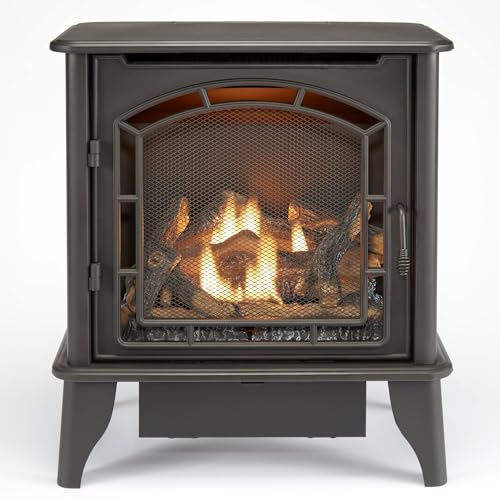
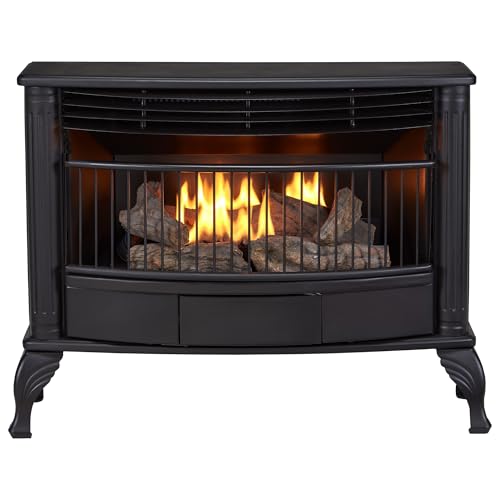
Free Standing Gas Fireplace Vented
Your complete guide to understanding, choosing, and installing a vented free standing gas fireplace. Learn about direct vent vs. B-vent, efficiency, placement, and how to find the perfect model for your home.
See Top RecommendationsWhy Choose a Vented Free Standing Gas Fireplace? Unlike ventless models, a vented free standing gas fireplace exhausts combustion byproducts outdoors, delivering superior indoor air quality, consistent heat, and a highly realistic flame. It is an excellent choice for homeowners seeking a reliable, safe, and efficient primary or supplemental heat source.
What Is a Free Standing Vented Gas Fireplace?
Definition & Core Concept
A free standing vented gas fireplace is a self-contained heating appliance that operates on natural gas or propane and requires a venting system to expel exhaust gases outside. Unlike a built-in unit, it stands independently, often resembling a traditional wood stove, and can be placed almost anywhere in a room with proper clearance and venting access.
The "vented" aspect is crucial: it ensures that carbon monoxide, nitrogen dioxide, and moisture are safely directed outdoors. This makes it a healthier and often more powerful option compared to ventless alternatives. If you're exploring the broader category, our built-in vs freestanding fireplace guide offers a great comparison.
Key Components
- Burner & Log Set: The heart of the unit, often featuring realistic ceramic logs or stones.
- Firebox: The sealed combustion chamber, usually lined with brick or steel.
- Venting System: Either a direct vent (coaxial pipe) or a B-vent (single-wall pipe).
- Controls: Millivolt, remote, or smart thermostat controls for convenient operation.
- Blower: An optional or integrated fan to circulate heated air into the room.
Vented vs. Ventless: Why Vented is Often the Better Choice
While ventless fireplaces offer installation flexibility, a vented free standing gas fireplace provides distinct advantages that many homeowners find indispensable. Understanding these differences is key to making an informed decision. For a deeper dive, see our types of fireplaces explained.
| Feature | Vented Free Standing Gas Fireplace | Ventless Free Standing Gas Fireplace |
|---|---|---|
| Air Quality | Excellent. All combustion byproducts are vented outdoors. | Good, but introduces moisture and trace gases into the room. |
| Heating Efficiency | High. Many models are rated as high-efficiency heaters. | Very high (up to 99%), but heat can feel humid. |
| Flame Realism | Superior. Taller, more vibrant flames with realistic log interaction. | Good, but often less convincing. |
| Installation | Requires venting through a wall or roof. More complex. | No venting required. Very flexible placement. |
| Safety | Very safe. No risk of indoor CO buildup. | Safe with proper maintenance, but requires an oxygen depletion sensor. |
| Ideal Use | Primary or supplemental heat, bedrooms, living rooms. | Supplemental heat, apartments, spaces without venting access. |
For many, the peace of mind from improved indoor air quality and the superior aesthetic of a vented flame makes it worth the extra installation effort. You can learn more about the specifics of venting in our gas fireplace ventilation requirements guide.
Venting Options: Direct Vent vs. B-Vent
Direct Vent (Sealed Combustion)
This is the most common and efficient venting method for modern free standing gas fireplaces. A coaxial pipe (a pipe within a pipe) draws outside air for combustion through the outer channel and exhausts gases through the inner channel.
- Pros: Extremely efficient, no indoor air used for combustion, no need for a traditional chimney, flexible horizontal or vertical termination.
- Cons: Slightly higher upfront cost, requires a wall or roof penetration.
Direct vent models are ideal for tight, energy-efficient homes. For more on this, see our propane wall fireplace direct vent article.
B-Vent (Natural Vent)
A B-vent system uses a single-wall metal pipe that relies on the natural draft of rising hot air to expel exhaust. It draws combustion air from the room.
- Pros: Lower equipment cost, can be simpler to install if an existing chimney is available.
- Cons: Less efficient (some heated room air is lost up the vent), requires a vertical termination, can be affected by pressure imbalances.
B-vent is a good option for retrofits or in homes where a direct vent termination is not feasible. Always check local codes. Our do you need a chimney or vent? guide can help clarify.
Key Benefits of a Vented Free Standing Gas Fireplace
Superior Air Quality & Safety
By venting all combustion byproducts outdoors, these units protect your indoor air quality. This is especially important for those with allergies, asthma, or sensitivity to humidity. There is no risk of carbon monoxide buildup indoors, making them a safer choice for continuous use. Learn about carbon monoxide signs to stay informed.
High Heating Efficiency
Modern direct vent free standing gas fireplaces are engineered for efficiency. Many are rated as "high-efficiency" heaters, capable of converting a significant portion of fuel into usable heat. They can serve as a supplemental heating source, reducing reliance on a central furnace. Check our heating capacity BTU guide for sizing.
Realistic Flame & Aesthetic Appeal
The vented design allows for a taller, more dynamic flame that interacts with logs and embers in a highly realistic way. The sealed firebox also allows for a wider range of interior linings and log styles, from rustic to contemporary. For inspiration, see our most realistic gas fireplace article.
Flexible Placement & Design
Free standing units do not require a masonry chimney or a built-in enclosure. With a direct vent system, you can often vent horizontally through a wall, giving you freedom to place the fireplace in corners, against walls, or even as a room divider. This makes them perfect for small spaces or open concept homes. For design ideas, see our freestanding water vapor fireplace and contemporary outdoor fireplace designs.
Installation & Key Considerations
Installation Overview
Installing a free standing vented gas fireplace is a job for a licensed professional. It involves:
- Site Selection: Choosing a location with proper clearances from combustibles and a feasible path for the vent pipe.
- Gas Line: Running a gas line from your supply to the unit. If you don't have a line, see our gas fireplace without a gas line guide.
- Vent Termination: Cutting through the wall or roof and installing the vent kit, ensuring proper clearances from windows, doors, and other vents.
- Final Connections & Testing: Connecting the gas, testing for leaks, and verifying proper operation.
For a broader overview, see our fireplace installation guide and gas fireplace installation requirements. You may also want to check fireplace permit requirements in your area.
Placement Tips
- Clearances: Always adhere to the manufacturer's specified clearances from walls, furniture, and flooring.
- Traffic Flow: Avoid placing the unit in a high-traffic area where it could be bumped.
- Venting Path: Plan the vent route to minimize elbows and horizontal runs, which can affect draft.
- Thermostat Placement: If using a wall thermostat, place it away from the fireplace's direct heat and drafts.
Consider the overall room design. Our matching fireplace proportions to room shape guide can help. Also, think about furniture distance from fireplace for safety.
Maintenance & Troubleshooting
Routine Maintenance
Keep your vented gas fireplace running safely and efficiently with regular care:
- Annual Inspection: Have a qualified technician inspect the unit, venting, and gas connections yearly. See our annual fireplace inspection guide and gas fireplace inspection.
- Cleaning: Clean the glass and interior periodically. Learn how to clean fireplace glass and how to clean a gas fireplace burner.
- Vent Check: Ensure the vent termination is clear of debris, snow, or bird nests.
Follow our gas fireplace maintenance guide and monthly & yearly maintenance schedule.
Common Issues
If you encounter problems, consult these guides before calling a pro:
- Gas fireplace won't light
- Pilot light keeps going out
- Fireplace smells like gas
- Weak flame on gas fireplace
- Fireplace making noise
- Gas fireplace won't turn off
For more, see our full fireplace troubleshooting hub.
Frequently Asked Questions
Can a free standing vented gas fireplace heat an entire house?
While a high-efficiency free standing gas fireplace can be a powerful heater, it is typically used for supplemental heating or zone heating. To determine if it can heat your entire house, you need to consider the unit's BTU output, your home's insulation, layout, and climate. For a detailed analysis, read our guide: Can a fireplace heat an entire house?
Do I need a chimney for a vented free standing gas fireplace?
No, you do not need a traditional masonry chimney. Direct vent models can vent horizontally through a wall, while B-vent models require a vertical vent pipe that can be routed through a roof or an existing chase. The key is a proper vent termination. See Do you need a chimney or vent?
How much does it cost to install a vented gas fireplace?
The cost to install a free standing vented gas fireplace varies widely based on the unit's tier (entry-level, mid-range, premium, luxury), the complexity of the venting run, and local labor rates. For a breakdown of potential costs, see our fireplace cost breakdown and hidden costs of owning a fireplace.
Can I install a free standing vented gas fireplace myself?
Installing a gas fireplace is not a typical DIY project. It requires specialized knowledge of gas connections, venting, and local building codes. Improper installation can be dangerous. We strongly recommend hiring a licensed professional. For more, see DIY vs professional fireplace installation.
What is the lifespan of a free standing gas fireplace?
With proper maintenance, a quality free standing gas fireplace can last 15 to 20 years or more. Regular annual servicing is key to longevity. See our fireplace lifespan guide.
Ready to find your perfect free standing vented gas fireplace? Explore our curated selection of top-rated models below, chosen for their performance, efficiency, and design.