
Fireplace Doors for Masonry Fireplace: The Complete Guide
Everything you need to know about choosing, sizing, and installing glass doors on a traditional masonry fireplace — improve efficiency, safety, and style without replacing your hearth.
Key Takeaways
- Masonry fireplace doors reduce heat loss by up to 90% when the fireplace is not in use.
- Custom-sized doors are essential — masonry fireplaces rarely have standard dimensions.
- Tempered glass is the minimum safety standard; ceramic glass handles higher temperatures.
- Proper installation and clearance from the firebox opening are critical for safety and performance.
Why Add Doors to a Masonry Fireplace?
A masonry fireplace is a beautiful architectural feature, but it is also one of the least efficient heating appliances in a home. When the fire is burning, a traditional open hearth can draw more warm room air up the chimney than it produces. When the fire is out, the open damper allows heated indoor air to escape continuously. Fireplace doors solve both problems.
Glass doors for a masonry fireplace act as a barrier between the firebox and your living space. They control the air supply, reduce heat loss, and prevent embers from escaping onto your floor. For homeowners who use their fireplace frequently, doors are one of the most practical upgrades available. If you are still exploring how a fireplace fits into your overall heating strategy, our fireplace buying guide provides a helpful foundation.
Primary Benefits
- Energy efficiency: Closed doors reduce conditioned air loss through the chimney when the fireplace is idle.
- Safety: A glass barrier prevents sparks and embers from reaching carpets, furniture, or children and pets.
- Cleaner burning: Controlled airflow can lead to more complete combustion and less smoke spillage.
- Aesthetics: Doors add a finished, furniture-quality look to an open masonry hearth.
- Draft control: Doors work alongside a chimney pillow draft stopper to minimize cold air infiltration during the off-season.
Important Note on Masonry vs. Prefab
Masonry fireplaces are built on-site with brick or stone and mortar. They are different from factory-built or zero-clearance fireplaces, which have standardized dimensions and often use replacement doors for prefabricated fireplace units. Masonry fireplaces almost always require custom-measured doors because their openings are irregular.
Types of Fireplace Doors for Masonry Fireplaces
Not all doors are designed the same way. The right choice depends on how you use your fireplace, the size of your opening, and your aesthetic preferences. Below are the most common configurations available for masonry hearths.
1. Bi-Fold Doors
Bi-fold doors are hinged in the middle and fold outward when opened. They provide a wide, unobstructed view when fully open and are a popular choice for larger masonry fireplaces. The folding mechanism requires sufficient clearance in front of the hearth, so they work best in rooms with adequate floor space.
2. Cabinet-Style Doors
Cabinet doors swing open on side hinges, similar to kitchen cabinetry. They offer a clean, traditional appearance and are easy to operate. Because they swing outward rather than folding, they need less lateral clearance than bi-fold doors but more forward space.
3. Twin-Panel Sliding Doors
Sliding doors operate on a track and move horizontally. They are ideal for narrow hearths where swinging or folding doors would intrude into the room. Sliding doors typically offer a smaller viewing area because one panel overlaps the other when open.
4. Screen-and-Glass Combinations
Many modern door sets combine glass panels with mesh screens. The screen can be used alone during active burning to contain sparks while allowing maximum radiant heat, and the glass can be closed when the fire is dying down or the fireplace is not in use. For a deeper look at this category, see our guide to fireplace doors with screen and glass.
5. Glass Doors for Wood-Burning Fireplaces
If your masonry fireplace burns wood, the door selection must account for higher temperatures and creosote. Our article on glass fireplace doors for wood burning fireplace covers the specific thermal and safety considerations for this fuel type.
Materials & Glass Options
The frame material and glass type determine durability, heat resistance, and appearance. Understanding these differences helps you avoid a purchase that looks good but performs poorly.
Frame Materials
- Steel: The most common frame material. Durable, affordable, and available in many finishes. Entry-level and mid-range doors typically use steel.
- Stainless steel: Resists corrosion and discoloration better than painted steel. Often found on premium and high-end models.
- Cast iron: Heavy, traditional, and very durable. Common on vintage-style doors and luxury custom pieces.
- Brass and bronze: Decorative finishes that add warmth and formality. Typically associated with premium and luxury tiers.
- Aluminum: Lightweight and rust-resistant, but less common for high-heat applications.
Glass Types
- Tempered glass: Heat-treated for strength. Suitable for moderate heat exposure. Found on entry-level and budget-friendly doors.
- Ceramic glass: Withstands much higher temperatures without cracking. The standard for wood-burning masonry fireplaces. Mid-range and premium doors typically use ceramic glass.
- Pyroceram or neoceram: A high-performance ceramic glass used in top-tier and luxury door sets. Excellent thermal shock resistance.
Glass Selection Rule of Thumb
If you burn wood regularly, choose ceramic glass. Tempered glass is acceptable only for gas logs or occasional decorative fires. Never assume that any glass door is suitable for a high-output wood fire — always verify the manufacturer's temperature rating.
For related glass care information, see our guide on how to clean fireplace glass, which covers soot removal without damaging the surface.
How to Measure Your Masonry Fireplace for Doors
Masonry fireplace openings are rarely perfectly square or rectangular. Brick and mortar construction introduces irregularities that make off-the-shelf doors a poor fit. Accurate measurement is the single most important step in the buying process.
Tools You Will Need
- Steel tape measure
- Level
- Pencil and paper
- Cardboard or template material (for tricky openings)
Step-by-Step Measurement
- Measure the opening width at the top, middle, and bottom. Record the smallest measurement — this is the critical width.
- Measure the opening height at the left, center, and right. Again, use the smallest measurement.
- Measure the depth from the face of the masonry to the firebox interior. This determines how far the door frame can extend into the opening.
- Check for obstructions such as uneven brick, protruding mortar, or a damper handle that might interfere with the frame.
- Note the hearth extension and any combustible materials near the opening. Doors must maintain proper clearance from combustibles.
Custom vs. Standard Sizes
Most masonry fireplaces require custom doors. Custom fabrication is common and should not be treated as an obstacle. When ordering, provide the smallest width and height measurements, not the average. A door that is slightly small can be shimmed; a door that is too large will not fit at all.
If your masonry fireplace is part of a larger renovation, the principles in our fireplace sizing worksheet can help you organize measurements for the entire project.
Efficiency & Energy Savings
An open masonry fireplace is essentially a hole in your thermal envelope. When the damper is open, warm air rises up the chimney and is replaced by cold outdoor air drawn in through gaps around windows and doors. Glass doors address this by sealing the opening when the fireplace is not in use.
How Doors Improve Efficiency
- Reduced standby loss: Closed doors block the chimney opening, limiting air exchange even if the damper is slightly open.
- Controlled combustion: Adjustable air intakes on the door frame allow you to regulate the burn rate, which can improve fuel efficiency.
- Radiant heat retention: Glass doors transmit radiant heat into the room while preventing heated room air from being pulled up the flue.
Doors are not a substitute for a fireplace insert or a high-efficiency appliance. If your goal is serious heating rather than ambiance, compare your options in our article on the most energy-efficient fireplace types. For homes where the fireplace is primarily decorative, doors combined with fireplace energy saving tips can meaningfully reduce winter heat loss.
Installation Methods
Fireplace doors for masonry fireplaces are typically mounted in one of three ways. The right method depends on the condition of your masonry and whether you want a permanent or removable installation.
1. Overlap Mount (Face Mount)
The door frame overlaps the face of the masonry and is secured with screws or masonry anchors. This is the most common method for masonry fireplaces because it accommodates uneven brickwork. It is also the easiest to install and remove.
2. Inside Mount (Insert Mount)
The frame fits inside the firebox opening. This provides a cleaner, more integrated look but requires a relatively square and smooth opening. Inside mounts are more common on factory-built fireplaces than on masonry ones.
3. Clamp-On or Tension Mount
Some door sets use clamps or tension mechanisms that hold the frame in place without drilling into the masonry. This is a good option for renters or for homeowners who do not want to modify historic brickwork.
Installation Tips
- Always follow the manufacturer's clearance requirements for combustible materials.
- Use a level to ensure the frame is straight — an uneven door will not seal properly.
- Seal gaps between the frame and masonry with high-temperature sealant if recommended.
- Test the door operation before the fire is lit to confirm smooth opening and closing.
If you are considering professional installation, our overview of DIY vs professional fireplace installation can help you decide. Proper installation also plays a role in safety, as discussed in our guide on how close furniture can be to a fireplace.
Maintenance & Care
Glass doors are relatively low-maintenance, but they do require regular attention to stay clear and functional. Soot buildup on the glass is normal, especially during the first few fires after installation.
Routine Maintenance Tasks
- Clean the glass after every few burns using a non-abrasive fireplace glass cleaner. Avoid ammonia-based products on ceramic glass.
- Inspect the gasket or sealing rope around the frame. Replace it if it becomes brittle or compressed.
- Lubricate hinges and tracks with a high-temperature lubricant to keep doors operating smoothly.
- Check the frame fasteners periodically and tighten any loose screws or anchors.
- Inspect for rust or discoloration, especially on steel frames in humid climates.
For a complete seasonal routine, see our fireplace maintenance schedule and wood fireplace maintenance guide. If you notice smoke spilling into the room despite closed doors, review our article on the fireplace smoke problem for troubleshooting steps.
Door Type Comparison
The table below summarizes the main door configurations by tier, typical use case, and key considerations. Descriptors reflect relative market positioning rather than absolute figures.
| Door Type | Typical Tier | Best For | Key Consideration |
|---|---|---|---|
| Steel bi-fold with tempered glass | Entry-Level | Occasional decorative fires | Limited heat resistance; verify clearance |
| Steel cabinet doors with ceramic glass | Mid-Range | Regular wood burning | Requires swing clearance |
| Stainless steel sliding doors with ceramic glass | Mid-Range | Narrow hearths | Smaller viewing area when open |
| Cast iron doors with neoceram glass | Premium | High-output wood burning | Heavy; requires sturdy mounting |
| Custom brass or bronze doors with high-performance glass | Luxury | Historic or high-end homes | Long lead times; custom fabrication |
| Screen-and-glass combination sets | Mid-Range | Versatile burning styles | More moving parts to maintain |
For homeowners comparing door options with other hearth accessories, our fireplace accessories hub covers screens, grates, tools, and more.
Ready to Upgrade Your Masonry Fireplace?
Browse our recommended fireplace doors and accessories below to find the right fit for your hearth.
View Recommended DoorsFrequently Asked Questions
In most cases, no. Masonry fireplace openings are built by hand and rarely match standard dimensions. Custom-measured doors are the reliable choice. Off-the-shelf doors may fit a small number of masonry fireplaces, but only if the opening happens to match a standard size exactly and the masonry face is flat enough for the frame to seal.
Glass doors transmit radiant heat, but they do reduce the amount of direct radiant heat that reaches the room compared to a fully open fire. The trade-off is improved efficiency when the fireplace is not in use and better safety during burning. Many door sets include mesh screens that can be used alone to maximize radiant heat while still containing sparks.
Tempered glass is heat-treated for strength but has a lower temperature threshold. Ceramic glass is engineered to withstand high temperatures and thermal shock, making it suitable for wood-burning fireplaces. If you burn wood regularly, ceramic glass is the safer and more durable option.
It depends on the door design and the manufacturer's instructions. Some doors are designed to be closed during burning with air intake controls, while others are intended to remain open or use only the screen. Always follow the manufacturer's guidance. Burning with doors closed against the manufacturer's recommendation can cause overheating or glass failure.
Use a non-abrasive fireplace glass cleaner and a soft cloth. Avoid abrasive pads, ammonia-based cleaners on ceramic glass, and sharp tools that can scratch the surface. For heavy soot, a paste of baking soda and water can help, followed by a specialized cleaner. See our full guide on how to clean fireplace glass for step-by-step instructions.
Yes, but with care. Clamp-on or tension-mount doors avoid drilling into historic brickwork. If drilling is necessary, use masonry anchors and consult a preservation-minded contractor. Custom fabrication is often required to match the irregular dimensions of older hearths.
Final Thoughts
Fireplace doors for a masonry fireplace are a practical investment that improves safety, reduces energy loss, and gives your hearth a more finished appearance. The key steps are accurate measurement, choosing the right glass type for your fuel, and installing the doors with proper clearance and sealing. Whether you choose an entry-level steel set for occasional use or a premium custom installation for a high-output wood fire, the right doors will serve your home for years.
Explore our related guides on fireplace screens, fireplace maintenance, and fireplace FAQ to continue learning before you buy.
Recommended Fireplace Doors for Masonry Fireplace
⚠️ AFFILIATE DISCLOSURE: This website contains affiliate links. As an Amazon Associate, we earn from qualifying purchases. If you make a purchase through these links, we may receive a small commission at no additional cost to you. Read our full affiliate policy.

Pleasant Hearth AT-1002 Ascot Fireplace Glass Door, Black, Large
Check price on Amazon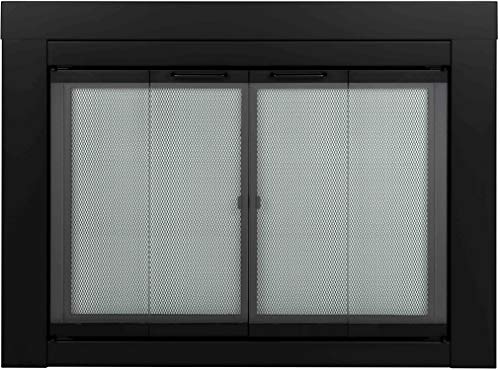
Pleasant Hearth Ascot Fireplace Glass Door - for Masonry Fireplaces, Small, Black, Model Number AT-1000
Check price on Amazon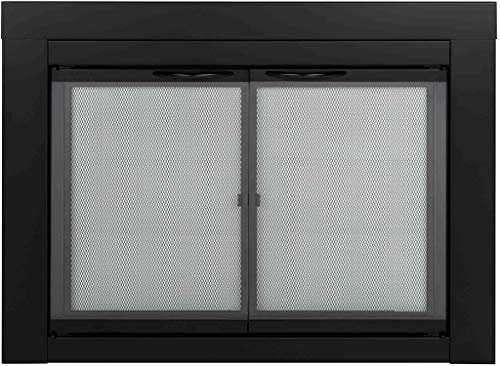
Pleasant Hearth AN-1010 Alpine Fireplace Glass Door, Black, Small
Check price on Amazon
Duluth Forge Branford Fireplace Glass Doors with Screen - Medium, Black Finish - Model# BRFD-1MD
Check price on Amazon
UniFlame Logan, Cabinet-Style Fireplace Doors, Color: Black, Size: Medium | Smoke Tempered Glass, Style: Logan, Size: Medium, Color: Black, Fits Opening 30" - 37" wide x 25.5" - 32.5" tall
Check price on Amazon
UniFlame Logan, Cabinet-Style Fireplace Doors, Color: Black, Size: Large | Smoke Tempered Glass, Style: Logan, Size: Large, Color: Black, Fits Opening 36" - 43" wide x 25.5" - 32.5" tall
Check price on Amazon
Pleasant Hearth AT-1001 1111 fireplace screen, Black Medium
Check price on Amazon