Fireplace and TV Wall Design Ideas
Learn how to combine a fireplace and TV into one stunning focal wall. Explore layout options, material choices, safety clearances, and the best electric fireplace TV stands for a cohesive living space.
Explore Design IdeasThe Core Challenge: Placing a TV and fireplace on the same wall is one of the most requested design features in modern homes. But it requires balancing aesthetics, heat management, viewing comfort, and safety. This guide walks you through every decision point so you can create a media wall that looks great and works perfectly.
Why Combine a Fireplace and TV on One Wall?
Combining a fireplace and TV on a single wall creates a natural focal point that anchors the entire room. Instead of competing for attention on separate walls, they work together as a unified entertainment and ambiance center. This approach is especially valuable in open-concept living spaces where wall real estate is limited and visual cohesion matters.
A well-designed media wall also solves practical problems. It centralizes cable management, provides built-in storage, and eliminates the awkward furniture arrangement that happens when a TV and fireplace sit on opposite sides of a room. For homeowners researching living room design ideas with fireplace and TV, this combined approach consistently ranks as the most satisfying layout.
Unified Focal Point
One wall becomes the room's centerpiece, simplifying furniture layout and creating a deliberate visual hierarchy.
Space Efficiency
Ideal for smaller living rooms where dedicating two separate walls to a TV and fireplace would crowd the space.
Built-In Storage
Media walls often incorporate shelves, cabinets, and hidden cable management for a clean, uncluttered look.
Increased Home Value
A professionally designed media wall with a fireplace is a desirable feature that appeals to many buyers.
Layout Options for Fireplace and TV Walls
The layout you choose depends on your room dimensions, ceiling height, and the type of fireplace you own. There is no single "correct" arrangement, but each option has distinct advantages and trade-offs. Below are the most popular configurations used by interior designers.
TV Above the Fireplace
The classic stacked arrangement. The fireplace sits at or near floor level, with the TV mounted directly above on the same vertical axis. This works best with linear electric fireplaces that emit minimal upward heat. It saves horizontal wall space and creates a strong symmetrical look.
- Best for: Narrow walls, modern linear fireplaces
- Watch out for: Viewing angle and heat clearance
TV Beside the Fireplace
The TV and fireplace sit side by side at a similar height. This is the safest option for heat management and provides a more comfortable viewing angle. It requires a wider wall but eliminates concerns about heat damage to electronics.
- Best for: Wide walls, gas and wood-burning fireplaces
- Watch out for: Visual balance and symmetry
Built-In Media Wall
A fully integrated unit where the fireplace, TV, and shelving are designed as one architectural feature. This is the most polished look and often includes cabinets below, floating shelves above, and concealed wiring.
- Best for: New construction, major renovations
- Watch out for: Higher upfront investment and planning time
Corner Fireplace with Adjacent TV
A corner fireplace angled at 45 degrees with the TV mounted on the adjacent flat wall. This layout works well in rooms where a full wall is unavailable and adds architectural interest.
- Best for: Small rooms, awkward layouts
- Watch out for: Cable routing and viewing distance
If you are specifically working with a small footprint, the guide on small living room ideas with fireplace and TV covers space-saving arrangements in more detail. For rooms where the TV and fireplace naturally sit on different walls, see living room with fireplace and TV on different walls for alternative solutions.
TV Above Fireplace: Safety, Heat, and Clearance Rules
Mounting a TV above a fireplace is the most common configuration, but it is also the one that requires the most careful planning. Heat rising from the fireplace can damage electronics, degrade image quality, and shorten the TV's lifespan. The key is understanding how much heat your specific fireplace produces and where that heat goes.
Electric Fireplaces
Electric units produce no combustion heat and emit very little upward warmth. Most models are safe for TV mounting above with a clearance of 12 to 18 inches. This is the most TV-friendly fireplace type.
Gas Fireplaces
Gas fireplaces produce more heat and require greater clearance. Direct-vent and ventless models vary significantly. A minimum of 18 to 24 inches is typical, but always check the manufacturer's specifications.
Wood-Burning Fireplaces
Wood-burning fireplaces generate the most heat and creosote. Mounting a TV above one is generally not recommended unless a heat shield or mantel deflector is installed. Clearance requirements are often 24 inches or more.
Ethanol Fireplaces
Ethanol units burn cleanly and produce moderate heat. Clearance requirements fall between electric and gas. Ventilation is important, and local codes may restrict installation.
For a deeper look at the safety considerations and clearance standards, the article on TV above fireplace safety provides manufacturer guidelines and real-world installation advice. If you are evaluating whether your electric fireplace is safe for this setup, see are electric fireplaces safe for a detailed breakdown.
Clearance Guidelines at a Glance
| Fireplace Type | Minimum TV Clearance | Heat Risk to TV | Best For |
|---|---|---|---|
| Electric (wall-mounted or insert) | 12–18 inches | Low | Most homes, apartments, rentals |
| Ventless Gas | 18–24 inches | Moderate | Rooms with proper ventilation |
| Direct-Vent Gas | 18–24 inches | Moderate | New construction, remodels |
| Wood-Burning | 24+ inches (with heat shield) | High | Traditional homes with tall ceilings |
| Ethanol | 15–20 inches | Low to Moderate | Modern, eco-conscious designs |
Material and Design Choices for Media Walls
The materials you choose for the wall, surround, and shelving define the style of your media wall. The right combination can make the fireplace and TV feel like a intentional architectural feature rather than two separate appliances sharing a wall.
Stone and Stone Veneer
Natural stone or manufactured stone veneer adds texture and a sense of permanence. It works well with both rustic and contemporary designs. For a cohesive look, consider how the stone interacts with the TV's black screen and the fireplace's flame color.
Tile and Porcelain
Large-format tiles create a sleek, modern surface that is easy to clean. Linear tiles complement linear electric fireplaces. This is a popular choice for contemporary fireplace ideas where clean lines matter.
Wood and Shiplap
Wood paneling, shiplap, and reclaimed timber bring warmth and texture. Painted shiplap in white or gray is a hallmark of farmhouse and coastal styles. See coastal fireplace ideas for inspiration on light, airy treatments.
Built-In Shelving and Cabinets
Floating shelves, base cabinets, and niche shelving add function and visual balance. They also provide a place to hide cable boxes, routers, and streaming devices. For ideas on flanking the fireplace with storage, see fireplace with bookshelves on each side ideas.
When planning a full built-in unit, the articles on built-in entertainment center with fireplace ideas and modern built-in entertainment center with fireplace offer detailed design guidance and layout inspiration.
Electric Fireplace TV Stands: A Practical Alternative
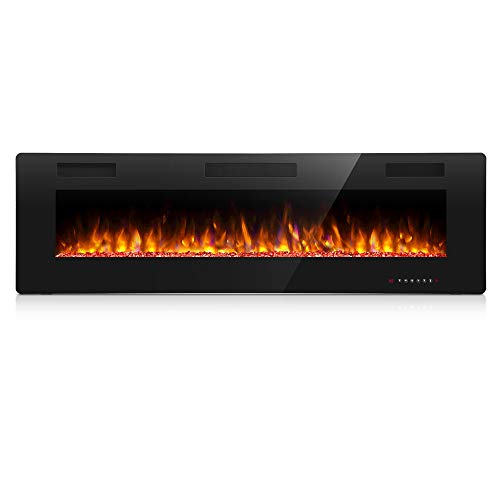
Not every home can accommodate a built-in media wall. For renters, apartment dwellers, or anyone who wants a flexible solution, an electric fireplace TV stand delivers the combined look without construction. These units place the fireplace at the base and provide a surface for the TV on top, often with storage on the sides.
This category has expanded significantly in recent years. You can now find electric fireplace TV stands for small spaces, corner TV stands with fireplace, and extra-long TV stands with fireplace for larger TVs. Many models include remote controls, adjustable flame brightness, and built-in heating.
For Small Spaces
Compact units designed for apartments and bedrooms. Look for narrow electric fireplace TV stands that fit tight walls without sacrificing style.
For Corner Placement
Angled designs that fit into room corners. Models like corner TV stands with fireplace for 65-inch TV maximize floor space while providing a full entertainment center.
For Large Rooms
Wide, sturdy units that support larger TVs and provide ample storage. See TV stand with fireplace and lights for models with integrated ambient lighting.
For Style and Realism
Modern units feature realistic flame electric fireplace technology with LED embers and crackling sound effects. Some even offer electric fireplace with crackling sound effects for a more immersive experience.
When choosing an electric fireplace TV stand, consider the heating capacity, flame realism, and whether you want infrared or fan-forced heating. The guide on electric fireplace heaters explains the differences. For models specifically designed to heat larger areas, see best electric fireplace for large room.
Pros and Cons of a Combined Fireplace and TV Wall
Advantages
- Creates a strong, unified focal point
- Saves wall space in smaller rooms
- Centralizes cable management and storage
- Increases perceived home value
- Flexible design options for every style
- Electric models are renter-friendly and plug-and-play
Challenges
- Heat management requires careful planning
- TV viewing angle can be too high for comfort
- Built-in units require significant upfront investment
- Wood-burning fireplaces are often unsuitable for TV mounting
- Resale buyers may have different preferences
- Installation can be complex for gas and wood units
Installation Considerations
Before you commit to a layout, consider the practical installation requirements. Electric fireplaces are the simplest because they require only a standard outlet. Gas and wood-burning units need venting, gas lines, and often professional installation.
Venting and Chimney
Gas and wood fireplaces need proper venting. If you are adding a fireplace to a room without an existing chimney, a ventless or electric model is the most practical choice. See add fireplace to room without chimney for options.
Electrical Requirements
Electric fireplaces typically run on standard 120V outlets, but high-output models may require a dedicated circuit. For 220V models, see 220 volt electric fireplace insert.
TV Mounting
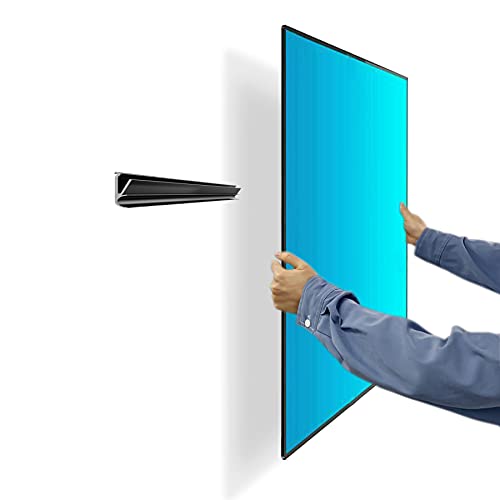
Use a sturdy wall mount rated for your TV's weight. For fireplaces with significant heat output, consider a mantel or heat deflector between the fireplace and TV. Always follow the fireplace manufacturer's clearance chart.
Professional vs DIY
Electric fireplace installation is often DIY-friendly. Gas and wood installations should be handled by licensed professionals. See DIY vs professional fireplace installation for guidance.
Design Tips by Style
Your media wall should reflect the overall aesthetic of your home. Here are style-specific considerations for the most popular design directions.
Modern and Contemporary
Clean lines, linear fireplaces, large-format tile, and hidden storage. The TV and fireplace should feel integrated, not added on. Explore contemporary fireplace ideas for more inspiration.
Farmhouse and Rustic
Shiplap, reclaimed wood, stone veneer, and warm neutrals. A chunky mantel or floating shelves add character. See farmhouse style fireplace TV stand for furniture-based options.
Coastal and Light
White or light gray finishes, natural textures, and breezy colors. A linear electric fireplace with a white surround works beautifully. See coastal fireplace ideas for details.
Eclectic and Collected
Mix materials, add art, and let the wall evolve over time. An electric fireplace insert allows you to change the surround without replacing the entire unit. See eclectic fireplace ideas.
Ready to Design Your Media Wall?
Browse our recommended electric fireplaces and TV stands below. Each product is selected for its design quality, heating performance, and suitability for combined fireplace and TV walls.
View Recommended ProductsFrequently Asked Questions
Can you put a TV above a fireplace?
Yes, you can put a TV above a fireplace, but it requires careful planning. You must maintain proper clearance, manage heat exposure, and consider viewing angle. Electric fireplaces are generally safer for this setup than gas or wood-burning units. Always check the fireplace manufacturer's clearance requirements before mounting.
What is the best fireplace for a TV wall?
Electric fireplaces are often the best choice for a TV wall because they produce no combustion fumes, require no venting, and emit minimal heat upward. Ventless gas and ethanol units can also work with proper clearance. For a deeper comparison, see electric vs gas vs wood fireplace comparison.
How high should a TV be above a fireplace?
A TV should typically be mounted at least 12 to 18 inches above the fireplace opening for electric units, and 18 to 24 inches for gas or wood-burning fireplaces. The optimal height also depends on your seating distance and eye level when seated. Always prioritize the fireplace manufacturer's clearance chart over general guidelines.
What is a media wall with a fireplace?
A media wall with a fireplace is a built-in architectural feature that combines a TV, fireplace, and storage into a single cohesive wall unit. It creates a focal point in the living room and maximizes space efficiency. Media walls can be custom-built or assembled from modular components. See entertainment centers with fireplaces in them for product options.
Can I use a gas fireplace with a TV above it?
Yes, but with caution. Gas fireplaces produce more heat than electric models. You will need a minimum clearance of 18 to 24 inches, and in some cases a mantel or heat deflector is required. Direct-vent models tend to be more TV-friendly than ventless models. Consult a professional installer to ensure your setup meets safety standards.
What is the best electric fireplace TV stand for a large TV?
For larger TVs, look for extra-long and sturdy TV stands with fireplace. Models designed for 65-inch, 75-inch, and even 85-inch TVs are available. Key features to consider include weight capacity, heating output, flame realism, and storage space. See extra long TV stand with fireplace and 75 inch TV entertainment center with fireplace for specific recommendations.