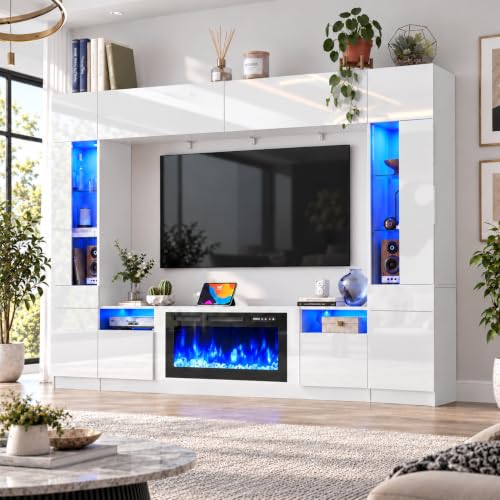
Entertainment Wall Unit with Fireplace: The Complete Guide
Transform your living room into a stunning focal point with a wall unit that combines media storage, TV display, and the warmth of a fireplace. Learn everything you need to make the right choice.
Start ReadingWhy an entertainment wall unit with fireplace? It solves two design challenges at once: where to place your TV and media equipment, and how to add warmth and ambiance to your living space. A well-designed wall unit creates a cohesive, built-in look that feels intentional and polished.
An entertainment wall unit with a fireplace is more than just furniture—it is a architectural statement. It anchors your living room, provides organized storage for media components, and introduces a source of heat and atmosphere that a plain TV stand simply cannot match. Whether you are designing a new living room, upgrading an existing media setup, or looking for a way to make your fireplace the center of attention, a wall unit brings everything together.
In this guide, we cover the essential considerations: the different types of wall units available, how to choose the right fireplace for your unit, TV placement and safety, sizing for your room, and design ideas that work in real homes. By the end, you will have a clear understanding of what to look for and how to choose the best option for your space.
Types of Entertainment Wall Units with Fireplace
Not all wall units are created equal. The right choice depends on your room layout, storage needs, and whether you prefer a built-in look or a freestanding piece. Here are the main categories to consider.
1. Built-In Wall Units
Built-in units are constructed into the wall or designed to look like they are. They offer the most seamless, custom appearance and can be tailored to fit your exact space, including alcoves and awkward corners. Built-in units often include a mix of open shelving, closed cabinetry, and a dedicated fireplace insert. They are ideal for homeowners who want a permanent, high-end solution and are willing to invest in professional installation.
2. Freestanding Wall Units
Freestanding units sit against the wall and can be moved if needed. They are easier to install and often more affordable than built-ins. Many freestanding units come with an integrated electric fireplace, making them a popular choice for renters or anyone who wants flexibility. If you are considering this option, explore electric fireplace entertainment units for a range of styles.
3. Corner Wall Units
Corner units are designed to fit into the corner of a room, making them an excellent choice for smaller living spaces or rooms with an awkward layout. They can include a fireplace, shelves, and a TV mount, all within a compact footprint. For more ideas, see small living room ideas with TV and fireplace.
4. Wall-Mounted Units
Wall-mounted units are attached directly to the wall, often floating above the floor. They create a modern, minimalist look and are easy to clean underneath. These units typically include a wall-mounted electric fireplace and a shelf or two for media components. Explore wall-mounted entertainment center with fireplace options for inspiration.
5. Full-Wall Units
Full-wall units span the entire width of a wall, often floor to ceiling. They provide maximum storage and a dramatic, custom appearance. These units are often built-in and can include a fireplace, TV, bookshelves, and closed cabinets. See full wall entertainment center with fireplace for design ideas.
Choosing the Right Fireplace for Your Wall Unit
The fireplace is the heart of your entertainment wall unit. The type you choose affects installation, heat output, safety, and maintenance. Here is a comparison of the most common options.
| Fireplace Type | Best For | Heat Output | Installation | Maintenance |
|---|---|---|---|---|
| Electric | Renters, apartments, easy installation, TV above fireplace | Low to moderate (zone heating) | Plug-in or hardwired; no venting | Low (dusting, occasional cleaning) |
| Gas | Homeowners wanting realistic flame and efficient heat | Moderate to high | Professional installation; venting required | Moderate (annual inspection, cleaning) |
| Wood | Traditional ambiance, existing chimney | High | Professional installation; chimney required | High (ash removal, chimney cleaning) |
| Ethanol | Eco-friendly, no venting, modern design | Low (ambiance-focused) | No venting; easy to install | Low (refueling, cleaning) |
Electric fireplaces are the most popular choice for entertainment wall units because they are easy to install, safe for TV placement above them, and require minimal maintenance. If you want a more realistic flame and higher heat output, a gas fireplace may be worth the investment. For a deeper comparison, see electric vs gas vs wood fireplace comparison.
💡 Pro Tip: If you plan to mount your TV above the fireplace, an electric fireplace is generally the safest choice. Gas and wood fireplaces require specific clearance and heat deflection measures. Always check the manufacturer's recommendations. Learn more in our guide on TV above fireplace safety.
TV Placement and Safety in Entertainment Wall Units
Placing a TV above a fireplace is a common design choice, but it comes with considerations. Heat, viewing angle, and cable management all need to be addressed for a safe and enjoyable setup.
Heat Clearance
The biggest concern is heat. Electric fireplaces emit most of their heat forward, with minimal upward heat, making them generally safe for TV placement above. Gas and wood fireplaces produce significant upward heat and require a mantel or heat deflector to protect the TV. Always follow the fireplace manufacturer's clearance requirements.
Viewing Angle
When a TV is mounted above a fireplace, it is often higher than the ideal viewing height. To reduce neck strain, consider a tilting TV mount that angles the screen downward toward your seating area. Also, ensure the TV is not too large for the viewing distance. For more tips, see installing a TV mount above a fireplace.
Cable Management
A clean look requires hiding cables. Built-in wall units often include channels or conduits for cable management. For freestanding units, consider cable ties, raceways, or a media cabinet to conceal wires. Planning this during installation is much easier than retrofitting later.
⚠️ Safety Note: Never block the fireplace's ventilation openings. Ensure that the TV and any media equipment are placed at a safe distance from the heat source. If you are unsure, consult a professional installer or check the fireplace manual.
Sizing Your Entertainment Wall Unit
A wall unit that is too small will look lost; one that is too large will overwhelm the room. Here are guidelines to get the proportions right.
Measure Your Wall
Start by measuring the width and height of the wall where the unit will go. Leave some breathing room on each side—typically 6 to 12 inches—so the unit does not feel cramped. For a full-wall unit, the unit can span the entire width, but consider the visual weight of the surrounding space.
TV Size and Viewing Distance
The TV should fit comfortably within the unit, with some space around it for speakers or decor. As a rule of thumb, the viewing distance should be about 1.5 to 2.5 times the TV's diagonal size. For example, a 65-inch TV is best viewed from 8 to 13 feet away. If your room is smaller, consider a smaller TV or a unit with a more compact design.
Fireplace Size
The fireplace should be proportional to the unit and the room. A fireplace that is too small will look like an afterthought; one that is too large may dominate. For electric fireplaces, common widths range from 30 to 60 inches. For gas and wood, the size depends on the insert or built-in model. Our guide on matching fireplace proportions to room shape can help.
Storage Needs
Consider what you need to store: media components, books, decor, or a combination. Open shelving is great for display, while closed cabinets hide clutter. A mix of both is often the best solution. If you have a large media collection, look for units with adjustable shelves and cable management features.
Design Ideas for Entertainment Wall Units with Fireplace
Your wall unit should reflect your style and complement the rest of your home. Here are some popular design directions to consider.
Modern and Minimalist
Clean lines, flat-panel cabinets, and a linear electric fireplace define this look. Neutral colors like white, gray, and black keep the space feeling open and contemporary. Explore modern electric fireplace entertainment center options for inspiration.
Farmhouse and Rustic
Barn doors, reclaimed wood, and a stone or brick fireplace surround create a cozy, farmhouse feel. A white farmhouse entertainment center with fireplace can be a beautiful focal point. See white farmhouse entertainment center with fireplace for ideas.
Traditional and Classic
Cherry or oak finishes, crown molding, and a classic mantel give a timeless look. A traditional entertainment center with fireplace can blend seamlessly with traditional decor. Browse cherry wood entertainment center with fireplace for examples.
Industrial and Urban
Metal accents, exposed shelving, and a concrete-look fireplace surround create an industrial vibe. This style works well in loft apartments and urban homes. For more, see contemporary entertainment center with fireplace.
Wall Unit with Bookshelves
Combining a fireplace with bookshelves on each side creates a library-like feel. It is perfect for book lovers and adds warmth and personality. Explore fireplace with bookshelves on each side for design inspiration.
Installation Considerations
Installing an entertainment wall unit with fireplace can range from a simple DIY project to a complex professional installation, depending on the type of unit and fireplace.
DIY vs Professional Installation
Freestanding units with electric fireplaces are often DIY-friendly and can be assembled in a few hours. Built-in units and gas or wood fireplaces require professional installation due to structural, electrical, and venting requirements. If you are unsure, consult a professional. Our guide on DIY vs professional fireplace installation can help you decide.
Electrical Requirements
Electric fireplaces typically require a standard household outlet, but some higher-output models may need a dedicated circuit. If you are hardwiring the fireplace, a licensed electrician should do the work. Always check the amperage and voltage requirements before installation.
Venting for Gas and Wood
Gas and wood fireplaces require venting to the outside. This can be a major consideration if you are installing a unit on an interior wall. Direct vent gas fireplaces can be vented horizontally through an exterior wall, which offers more flexibility. See direct vent gas fireplace exterior wall for details.
Permits and Codes
Depending on your location, you may need a permit for installing a gas or wood fireplace. Check with your local building department. For more information, see fireplace permit requirements.
Maintenance and Care
Proper maintenance ensures your entertainment wall unit and fireplace stay in good condition for years. The level of maintenance depends on the fireplace type.
- Electric fireplace: Dust the unit regularly, clean the glass with a soft cloth and mild cleaner, and check the cord for damage. See electric fireplace maintenance for a full guide.
- Gas fireplace: Schedule an annual inspection by a qualified technician. Clean the glass and burner area as recommended. See gas fireplace maintenance.
- Wood fireplace: Remove ash regularly, clean the chimney annually, and inspect for creosote buildup. See wood fireplace maintenance.
- Ethanol fireplace: Clean the burner and refill with ethanol as needed. See ethanol fireplace maintenance.
For a seasonal checklist, see seasonal fireplace checklist.
Cost and Value Considerations
The cost of an entertainment wall unit with fireplace varies based on size, materials, fireplace type, and whether it is custom or prefabricated. Rather than focusing on specific prices, consider the value each tier offers.
- Entry-level: Typically freestanding units with electric fireplaces. Affordable and easy to install, but may use laminate or particle board materials.
- Mid-range: Better materials (solid wood or high-quality MDF), larger sizes, and more features like adjustable shelving and improved flame realism.
- Premium: Custom-built or semi-custom units with high-end finishes, gas fireplaces, and integrated storage solutions. Often require professional installation.
- Luxury: Fully custom, floor-to-ceiling built-ins with premium materials, designer hardware, and high-efficiency gas or wood fireplaces. A whole-home renovation element.
When evaluating cost, consider the long-term value: a well-built unit adds visual appeal, storage, and a focal point that can increase your home's enjoyment and potentially its resale value. See does a fireplace add value to your home for more insights.
Common Mistakes to Avoid
- Ignoring heat clearance: Placing a TV too close to a gas or wood fireplace can damage electronics. Always follow clearance guidelines.
- Underestimating cable management: Wires can quickly turn a beautiful unit into a mess. Plan for cable routing before installation.
- Choosing the wrong fireplace type: An electric fireplace may not provide enough heat for a large room, while a wood fireplace may be too much maintenance for your lifestyle.
- Not measuring the space: A unit that is too large or too small will look out of place. Measure twice, buy once.
- Skipping professional installation: For gas and wood fireplaces, DIY installation can be dangerous and may void warranties. Hire a pro.
Frequently Asked Questions
Can you put a TV above a fireplace in an entertainment wall unit?
Yes, but it depends on the fireplace type and heat output. Electric fireplaces are generally safe for TV placement above them because they emit minimal heat upward. Gas and wood fireplaces require careful consideration of clearance requirements and heat deflection. Always check the manufacturer's specifications for both the fireplace and the TV.
What is the ideal height for a TV above a fireplace?
The ideal height places the center of the TV at eye level when seated, typically 42 to 60 inches from the floor. However, when mounted above a fireplace, the TV often sits higher. To minimize neck strain, keep the bottom edge of the TV as close to the mantel as clearance allows, and consider a tilting mount for better viewing angles.
How much does an entertainment wall unit with fireplace cost?
Costs vary widely based on material, size, fireplace type, and whether it is custom-built or prefabricated. Entry-level units with electric fireplaces are the most affordable, while custom built-in units with gas fireplaces represent a premium investment. For specific pricing, check the product listings on this page.
What is the difference between an entertainment center and a wall unit?
An entertainment center typically refers to a furniture piece designed to hold a TV and media components, often freestanding. A wall unit is usually a larger, built-in or semi-built-in structure that spans a significant portion of the wall, often including shelves, cabinets, and a fireplace. Wall units provide more storage and a more integrated look.
Do entertainment wall units with fireplaces require assembly?
Most prefabricated entertainment wall units require some assembly, though the level varies by product. Some units come partially assembled with simple cam-lock systems, while others require more involved construction. Built-in units are typically installed by professionals. Always review the product specifications and assembly instructions before purchasing.
Ready to Find Your Perfect Entertainment Wall Unit?
Browse our curated selection of recommended products below. Whether you want a compact electric unit or a full-wall built-in, we have options for every style and budget.
View Recommended Products