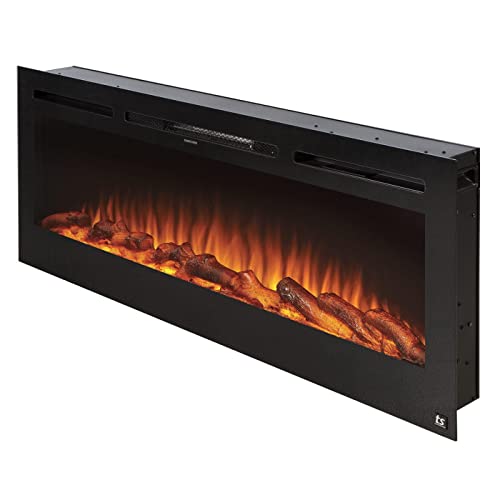
Electric Fireplace Running Costs: Complete Operating Cost Guide
Understand exactly how much electricity your electric fireplace consumes, what factors influence operating expenses, and how to make informed decisions before you buy.
Why Running Costs Matter: Before purchasing any electric fireplace, smart homeowners want to know the true cost of ownership. Unlike gas or wood fireplaces, electric models offer predictable, transparent operating expenses that you can calculate in advance. This guide breaks down every factor that affects how much you will spend to enjoy your fireplace.
Whether you are considering a wall-mounted electric fireplace for a bedroom or a freestanding electric fireplace for a living room, understanding running costs helps you choose a model that fits both your heating needs and your energy budget.
How Electric Fireplaces Consume Electricity
Wattage: The Primary Cost Driver
Every electric fireplace has a wattage rating that determines how much electricity it draws during operation. Most residential electric fireplaces fall into three wattage categories, each suited to different heating demands and room sizes.
The relationship between wattage and operating cost follows a simple principle: higher wattage produces more heat but consumes more electricity. A 750 to 1500 watt electric heater style fireplace gives you the flexibility to choose between low and high heat settings, directly impacting your hourly consumption.
| Wattage Level | Heat Output | Typical Use Case | Relative Operating Cost |
|---|---|---|---|
| 750 watts (low) | Approx. 2,560 BTU | Small rooms, supplemental warmth, mild climates | Entry-level consumption |
| 1,000 watts (medium) | Approx. 3,410 BTU | Medium rooms, moderate heating needs | Mid-range consumption |
| 1,500 watts (high) | Approx. 5,120 BTU | Large rooms, primary zone heating | High-end consumption |
Many modern electric fireplaces feature adjustable wattage settings, allowing you to match heat output to your immediate needs. This flexibility is one of the greatest advantages of electric models over gas fireplaces or wood-burning alternatives, which operate at fixed output levels once lit.
Flame-Only Mode: The Low-Cost Option
One of the most significant cost-saving features of electric fireplaces is the ability to operate in flame-only mode. When you turn off the heating element, the fireplace draws only enough electricity to power the LED lights, display, and any sound effects.
In flame-only mode, consumption typically drops to approximately 50 to 300 watts, depending on the model's features. A unit with crackling sound effects or advanced LED displays may draw slightly more than a basic model, but the difference is minimal compared to heating mode.
💡 Money-Saving Tip: Use flame-only mode during mild weather or when you simply want ambiance without additional heat. This reduces operating costs dramatically while still enjoying the visual appeal of your fireplace.
How to Calculate Your Electric Fireplace Running Costs
The Simple Formula
Calculating your electric fireplace operating cost requires only two pieces of information: your fireplace's wattage and your local electricity rate. The formula is straightforward:
Cost per Hour = (Wattage ÷ 1,000) × Electricity Rate per kWh
This formula gives you a clear picture of what you pay for every hour of operation. The result depends entirely on your local utility rates, which vary significantly by region, season, and time of day.
Step-by-Step Calculation
- Find your fireplace's wattage rating (usually listed on the product label or in the manual)
- Divide the wattage by 1,000 to convert to kilowatts (1,500 watts = 1.5 kW)
- Check your electricity bill for your rate per kilowatt-hour (kWh)
- Multiply kilowatts by your rate to get your hourly cost
- Multiply hourly cost by daily usage hours to estimate daily expenses
📊 Example: A 1,500-watt fireplace operating at full heat draws 1.5 kWh per hour. If your electricity rate is 15 cents per kWh, your hourly cost is approximately 22.5 cents. Running it for 5 hours daily would add roughly 112.5 cents (about 1.13) to your daily electricity consumption.
For a more detailed breakdown of how wattage translates to actual heating performance, see our guide on fireplace heating capacity and BTU.
Factors That Influence Your Actual Costs
While the basic formula provides a solid estimate, several real-world factors can increase or decrease your actual expenses:
Electricity Rates
Utility rates fluctuate based on season, time of day, and your location. Many providers offer time-of-use plans where rates are lower during off-peak hours. Running your fireplace during these windows can reduce costs significantly.
Usage Patterns
How often and how long you operate your fireplace directly affects monthly costs. Using a fireplace wall switch timer or smart Wi-Fi controller helps prevent unnecessary usage.
Thermostat Settings
Models with built-in thermostats cycle the heating element on and off to maintain your desired temperature. This reduces continuous draw compared to running at maximum heat constantly. An electric fireplace with thermostat and blower distributes heat more efficiently, potentially lowering overall usage time.
Room Insulation and Size
A well-insulated room retains heat longer, requiring less runtime to maintain comfort. Larger rooms demand more heating time, increasing total consumption. For efficiency in bigger spaces, consider a high-output electric fireplace heater that reaches target temperature faster.
Maintenance Condition
Dusty vents, blocked air intakes, or failing components force the unit to work harder. Regular electric fireplace maintenance keeps the unit operating at peak efficiency.
Cost Comparison by Usage Scenario
How Different Usage Patterns Affect Your Bill
The same fireplace can have dramatically different operating costs depending on how you use it. Here is a comparison of common scenarios:
| Usage Scenario | Typical Daily Hours | Operating Mode | Relative Monthly Impact |
|---|---|---|---|
| Ambiance only (no heat) | 4–6 hours | Flame-only | Very low |
| Occasional supplemental heat | 2–3 hours | Low heat (750W) | Low |
| Regular evening heating | 4–5 hours | Medium heat (1,000W) | Moderate |
| Primary zone heating | 6–8 hours | High heat (1,500W) | High |
| Continuous operation | 12+ hours | High heat with thermostat cycling | Substantial |
Most homeowners find that using an electric fireplace as a supplemental heat source in one or two rooms delivers the best balance between comfort and cost. Using it as a primary heating system for an entire home is rarely cost-effective compared to central heating, but zone heating individual rooms can reduce overall energy consumption by allowing you to lower your central thermostat.
For those considering whether an electric fireplace can replace other heating methods, our article on whether a fireplace can heat an entire house provides valuable perspective.
Electric vs Gas vs Wood: Running Cost Comparison
How Electric Fireplaces Compare to Other Fuel Types
Understanding how electric fireplace costs compare to gas and wood alternatives helps you make a fully informed decision. Each fuel type has distinct cost characteristics, efficiency profiles, and convenience factors.
| Factor | Electric | Natural Gas | Wood |
|---|---|---|---|
| Efficiency | Nearly 100% (all heat stays indoors) | 70–90% (vented models lose heat) | 60–80% (dependent on stove/insert) |
| Installation Requirements | Plug-in or hardwired; no venting | Gas line; venting for most types | Chimney or vent; storage for fuel |
| Maintenance Needs | Minimal (dusting, occasional inspection) | Annual professional service recommended | Regular chimney cleaning, ash removal |
| Cost Predictability | High (fixed wattage, known rate) | Moderate (varies with gas prices) | Low (varies with wood supply) |
| Zone Heating Suitability | Excellent | Good | Good |
| Ambiance Without Heat | Yes (flame-only mode) | Limited | No |
The efficiency advantage of electric fireplaces is significant. Because they produce no combustion byproducts, no heat escapes through a chimney or vent. Every unit of electricity consumed converts directly to usable heat in your room. Gas and wood fireplaces lose a substantial portion of their heat output through exhaust.
However, the per-unit cost of electricity is often higher than natural gas in many regions. This means that while electric fireplaces use energy more efficiently, the cost per unit of heat may still be higher than gas in areas with low gas prices. The comparison depends heavily on local utility rates and your specific usage patterns.
For a detailed side-by-side analysis, explore our guide on electric vs gas fireplace running costs.
Product Tiers and Their Impact on Running Costs
How Fireplace Quality Affects Operating Efficiency
Not all electric fireplaces are manufactured to the same standards. Product tier often correlates with features that influence running costs, including thermostat accuracy, heating element quality, and insulation of the firebox.
Entry-Level
Basic on/off heating with limited settings. May lack precise thermostat control, potentially leading to longer runtimes to achieve desired comfort. Suitable for occasional use and ambiance-focused applications.
Mid-Range
Improved thermostat accuracy, multiple heat settings, and better heat distribution. These features help maintain comfortable temperatures with less energy waste. A solid choice for regular supplemental heating.
Premium
Advanced thermostatic control, efficient blower systems, and superior construction. These models often reach target temperature faster and maintain it with minimal cycling, optimizing energy use over time.
When evaluating electric fireplaces for cost efficiency, look for models with digital thermostats, adjustable flame brightness (which affects LED power draw), and auto-shutoff features. An energy-efficient electric fireplace TV stand combines functional heating with furniture utility, often incorporating these efficiency features.
For those replacing an existing unit, a replacement electric fireplace insert can upgrade efficiency without replacing the entire furniture piece.
Practical Ways to Reduce Electric Fireplace Running Costs
Strategies That Actually Work
You do not have to accept high operating costs as unavoidable. Several proven strategies can reduce what you spend to run your electric fireplace:
- Use the thermostat, not maximum heat. Setting your fireplace to maintain a specific temperature is more efficient than running it at full power continuously. The unit will cycle on and off as needed.
- Operate in flame-only mode when heat is unnecessary. This alone can reduce consumption by 70–90% compared to heating mode.
- Zone-heat only occupied rooms. Instead of heating your entire home, use your electric fireplace to warm the room you are actually using.
- Lower your central thermostat. For every degree you lower your central heating, you save on overall energy costs. Your electric fireplace can compensate in the room you occupy.
- Use timers and smart controls. A universal remote control or smart Wi-Fi integration prevents the fireplace from running when no one is present.
- Maintain your fireplace. Regular cleaning and inspection keep the unit operating at peak efficiency. See our electric fireplace inspection guide for what to check.
- Seal room drafts. A fireplace cannot efficiently heat a room with poor insulation. Weatherstripping and draft stoppers help retain warmth.
- Choose an appropriately sized unit. An oversized fireplace in a small room wastes energy. Match wattage to room size for optimal efficiency.
💡 Efficiency Insight: A electric fireplace heater entertainment center that incorporates heating into a functional furniture piece often includes advanced efficiency features like programmable thermostats and better insulation, making it a smart choice for cost-conscious buyers.
When an Electric Fireplace Makes Financial Sense
Ideal Scenarios for Cost-Effective Electric Fireplace Use
Electric fireplaces deliver the best value in specific situations. Understanding when they are most cost-effective helps you decide whether one is right for your home.
Supplemental Zone Heating
Using an electric fireplace to heat one room while lowering your central thermostat is the most common cost-saving application. This approach reduces overall energy consumption while maintaining comfort where it matters most. A high-capacity electric fireplace heater can warm a large living area effectively while you keep the rest of the house cooler.
Apartments and Rentals
Electric fireplaces require no venting or gas lines, making them ideal for apartments and rental properties where modification options are limited. They provide ambiance and supplemental heat without permanent installation. See our guide on apartment fireplace installation for more details.
Mild Climates
In regions with mild winters, an electric fireplace may be all the supplemental heat you need, eliminating the cost of running a full central heating system during transitional seasons.
Replacing Inefficient Old Fireplaces
Converting an old, inefficient wood-burning fireplace to an electric insert eliminates heat loss through an open damper and removes ongoing maintenance costs. Learn more in our guide on replacing a wood-burning fireplace with electric.
When They May Not Save Money
If your electricity rates are very high and natural gas is readily available, a gas fireplace may be more economical for primary heating. Similarly, if you need to heat your entire home, central heating is usually more cost-effective than multiple electric fireplaces. For a complete analysis, see our article on which fireplace saves money long-term.
Our Verdict: Electric Fireplace Running Costs
Electric fireplaces offer highly predictable running costs, near-100% heating efficiency, and the unique ability to provide ambiance without any heating expense. For zone heating and supplemental warmth, they are an excellent choice with controllable operating expenses.
The key to managing costs is understanding your local electricity rates, choosing a model with thermostat control, and using the fireplace strategically. When used intelligently, an electric fireplace can reduce your overall heating bill by allowing you to lower central heating in unused areas.
If you are still deciding between fuel types, our guide on which fireplace is right for your home walks you through every consideration.
Frequently Asked Questions
How much does it cost to run an electric fireplace per hour?
The hourly cost depends on your fireplace's wattage and your local electricity rate. A typical 1,500-watt electric fireplace running on high heat consumes 1.5 kilowatt-hours per hour. Multiply this by your electricity rate per kilowatt-hour to determine your hourly cost. In flame-only mode, hourly costs drop significantly since only the LED lights and electronics are drawing power.
Are electric fireplaces expensive to run compared to gas fireplaces?
Electric fireplaces often have higher per-unit energy costs than natural gas, but they operate at nearly 100% efficiency. Gas fireplaces lose significant heat through venting. The actual comparison depends on local utility rates and how you use the fireplace. For zone heating in a single room, electric fireplaces are often competitive. See our detailed electric vs gas running cost comparison.
Does an electric fireplace use a lot of electricity?
A standard electric fireplace uses between 750 and 1,500 watts when heating, comparable to a space heater. When operating in flame-only mode, consumption drops to approximately 50 to 300 watts. This makes electric fireplaces relatively modest electricity consumers, especially when used strategically for supplemental heating. For more details, see our article on fireplace electricity usage.
Can I reduce my electric fireplace running costs?
Yes. Use the thermostat setting instead of maximum heat, operate in flame-only mode when heat is not needed, zone-heat only occupied rooms, and maintain the unit regularly. Smart controllers and timers also help reduce unnecessary usage. Additionally, sealing room drafts and ensuring proper insulation maximize heating efficiency, reducing runtime.
How much does it cost to run an electric fireplace monthly?
Monthly costs vary widely based on usage hours, wattage, and local electricity rates. Running a 1,500-watt fireplace for 4 hours daily at average rates results in a moderate addition to your monthly utility bill. Flame-only operation costs significantly less. The key to managing monthly costs is using your fireplace strategically as a supplemental heat source rather than a primary heating system for your entire home. For a detailed breakdown, see our guide on fireplace daily running costs.
Do electric fireplaces lose efficiency over time?
Electric fireplaces maintain their heating efficiency remarkably well because they have few moving parts compared to gas or wood-burning units. However, dust accumulation on heating elements and fans can reduce performance. Regular cleaning of your electric fireplace ensures continued efficient operation. Following a fireplace maintenance schedule helps maintain optimal performance.
Is it cheaper to run an electric fireplace or central heating?
For heating an entire home, central heating is usually more efficient. For heating a single occupied room, an electric fireplace can be cheaper than running central heating for the whole house. The optimal strategy combines both: lower your central thermostat and use your electric fireplace to warm the room you are using. This zone-heating approach reduces total energy consumption.
Ready to Choose an Electric Fireplace?
Now that you understand running costs, explore our curated selection of electric fireplaces. Compare features, heating capacities, and efficiency ratings to find the perfect model for your home and budget.
View Recommended Models →