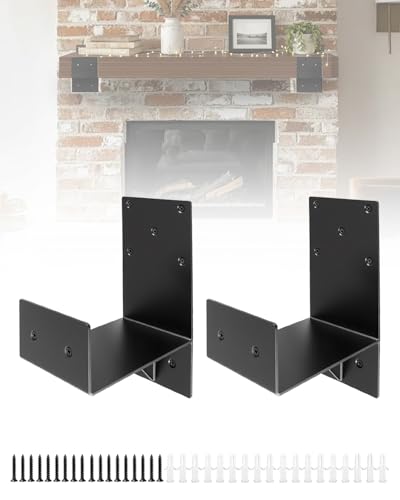
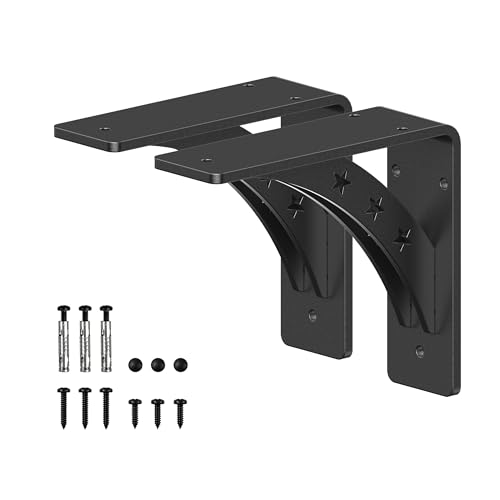
Electric Fireplace Mounting Bracket: The Ultimate Installation Guide
Ensure a safe, secure, and professional installation of your wall-mounted electric fireplace with the right mounting bracket and hardware.
Start Your Installation JourneyWhy This Guide Matters: A wall-mounted electric fireplace is only as safe and stable as the bracket that holds it. This comprehensive guide will walk you through bracket types, wall compatibility, installation steps, and safety considerations—so you can enjoy your fireplace with complete peace of mind.
Introduction: The Unsung Hero of Your Electric Fireplace
When you invest in a sleek, modern wall-mounted electric fireplace, it's easy to focus on the visual appeal—the dancing flames, the ambient glow, the contemporary aesthetic. However, the component that makes it all possible is often overlooked: the electric fireplace mounting bracket. This simple yet critical piece of hardware is responsible for keeping your fireplace safely and securely attached to the wall, preventing accidents and ensuring optimal performance.
Unlike traditional fireplaces that sit on a hearth or are built into a wall cavity, wall-mounted electric fireplaces rely entirely on their mounting system for stability. Whether you're installing a new unit or replacing an old bracket, understanding the nuances of mounting brackets is essential. This guide will provide you with everything you need to know, from choosing the right bracket for your wall type to step-by-step installation instructions.
If you're still exploring different types of electric fireplaces, our guide on types of electric fireplace inserts can help you understand which style best fits your space. For those ready to mount their unit, this article will be your go-to resource.
Why a Quality Mounting Bracket is Non-Negotiable
An electric fireplace can weigh anywhere from 20 to over 100 pounds, depending on its size and features. A flimsy or improperly installed bracket can lead to catastrophic failure—the fireplace could fall off the wall, causing injury, property damage, or both. A high-quality mounting bracket provides several key benefits:
- Safety: Prevents the fireplace from tipping or falling, especially in homes with children or pets.
- Stability: Keeps the unit level and secure, preventing rattling or shifting during operation.
- Proper Ventilation: Many brackets are designed to hold the fireplace at a specific distance from the wall, allowing for adequate airflow and heat dissipation.
- Ease of Installation: A well-designed bracket simplifies the installation process, often allowing for a one-person job.
- Longevity: A secure mount reduces stress on the fireplace's internal components, potentially extending its lifespan.
⚠️ Safety Warning: Never attempt to mount an electric fireplace using makeshift hardware or brackets not designed for the specific unit. Always use the manufacturer-provided bracket or a certified replacement. If you are unsure about your wall's load-bearing capacity, consult a professional contractor.
Types of Electric Fireplace Mounting Brackets
Not all mounting brackets are created equal. The right type for you depends on your fireplace model, the wall material, and your installation preferences. Here are the most common types:
1. Manufacturer-Provided Brackets
Most wall-mounted electric fireplaces come with a proprietary mounting bracket designed specifically for that model. These brackets are engineered to match the weight, dimensions, and ventilation requirements of the unit. If you're installing a new fireplace, always start with the included bracket. For those considering a larger unit, our guide on 80-inch recessed electric fireplaces discusses the specific mounting needs of oversized models.
2. Universal Mounting Brackets
If you've lost your original bracket or are repurposing a fireplace, a universal bracket can be a viable solution. These brackets are adjustable and designed to fit a range of fireplace sizes. However, they may not offer the same precise fit as a manufacturer-specific bracket. When choosing a universal bracket, pay close attention to its weight capacity and VESA compatibility (if applicable).
3. Recessed vs. Surface-Mount Brackets
The type of bracket you need also depends on whether your fireplace is recessed into the wall or surface-mounted:
- Recessed Brackets: Designed for fireplaces that sit inside a wall cavity. These brackets often provide a flush finish. If you're replacing an old fireplace, you might need a bracket for installing an electric fireplace insert into an existing fireplace.
- Surface-Mount Brackets: Used for fireplaces that hang directly on the wall surface. These are typically simpler to install but require a sturdy wall.
4. Heavy-Duty and Articulating Brackets
For larger, heavier fireplaces—such as a 72-inch recessed electric fireplace—a heavy-duty bracket is essential. Articulating brackets, which allow the fireplace to be pulled away from the wall for maintenance or repositioning, are also available but less common for fireplaces due to their weight.
How to Choose the Right Mounting Bracket
Selecting the correct bracket is a matter of matching the bracket's specifications to your fireplace and your wall. Consider the following factors:
Weight Capacity
The bracket must be able to support at least twice the weight of your fireplace. This safety margin accounts for dynamic loads and ensures long-term stability. Check the manufacturer's specifications for both the fireplace and the bracket. For context, a 60-inch recessed electric fireplace may weigh significantly more than a smaller unit, requiring a more robust bracket.
Wall Type Compatibility
Different walls require different mounting hardware. The bracket itself may be universal, but the anchors and screws you use are critical:
| Wall Type | Recommended Hardware | Notes |
|---|---|---|
| Wood Stud | Lag bolts or heavy-duty wood screws | Most secure option. Locate studs using a stud finder. |
| Metal Stud | Toggle bolts or metal stud anchors | Requires special anchors that distribute weight. |
| Concrete/Brick | Concrete anchors or sleeve anchors | Use a hammer drill to pre-drill holes. |
| Drywall (no stud) | Heavy-duty toggle bolts or molly bolts | Only for lightweight fireplaces. Not recommended for heavy units. |
VESA Compatibility
Some electric fireplaces are designed to be mounted using standard VESA patterns, similar to TVs. If your fireplace has a VESA pattern, you can use a VESA-compatible bracket. Always verify the VESA dimensions (e.g., 200x200, 400x400) before purchasing. If you're also mounting a TV above your fireplace, our article on TV above fireplace safety provides crucial guidelines.
Ventilation Requirements
Electric fireplaces generate heat, and some models require a specific clearance from the wall for proper airflow. The mounting bracket should maintain this clearance. Check your fireplace manual for minimum clearance requirements. If you're concerned about heat output, our guide on electric fireplace not heating troubleshooting can help you diagnose issues.
Step-by-Step Installation Guide
Installing an electric fireplace mounting bracket is a manageable DIY project for most homeowners, but it requires careful preparation and execution. Always refer to your specific fireplace and bracket instructions for precise details. The following steps provide a general overview.
Tools and Materials You'll Need
- Stud finder
- Drill with appropriate bits (wood, masonry, or metal)
- Level
- Measuring tape
- Pencil
- Screwdriver or socket wrench
- Appropriate anchors and screws (as per wall type)
- Safety glasses and work gloves
- A helper for lifting the fireplace
Step 1: Determine the Mounting Height
The ideal mounting height depends on the size of your fireplace and the room's layout. A common rule of thumb is to keep the bottom of the fireplace at least 12 inches above the floor, but this can vary. For a 48-inch recessed electric fireplace, you might want it higher for a more dramatic effect. Consider viewing angles and furniture placement. If you're mounting a TV above the fireplace, ensure there's enough clearance—our guide on TV above fireplace safety covers this in detail.
Step 2: Locate and Mark the Studs
Use a stud finder to locate the studs in your wall. Mark their centers with a pencil. Ideally, the bracket should be secured to at least two studs. If studs are not available in the desired location, you'll need to use heavy-duty anchors suitable for your wall type.
Step 3: Position and Level the Bracket
Hold the bracket against the wall at the desired height. Use a level to ensure it is perfectly horizontal. Mark the screw holes with a pencil. This is a critical step—a crooked bracket will result in a crooked fireplace.
Step 4: Drill Pilot Holes
Drill pilot holes at the marked locations. The drill bit size should be slightly smaller than the screws you'll be using. For concrete or brick, use a masonry bit and a hammer drill.
Step 5: Secure the Bracket
Attach the bracket to the wall using the appropriate screws and anchors. Tighten them securely, but avoid over-tightening, which can strip the holes. If you're using toggle bolts, follow the manufacturer's instructions for proper installation.
Step 6: Attach the Fireplace to the Bracket
With the bracket securely mounted, lift the fireplace (this is where a helper is invaluable) and align it with the bracket's hooks or slots. Gently lower it into place until it locks. Some models may require you to secure the fireplace to the bracket with additional screws.
Step 7: Final Safety Check
Once mounted, give the fireplace a gentle tug to ensure it is firmly attached. Check that it is level. Plug it in and test all functions. If you notice any issues, such as the fireplace not turning on, our guide on electric fireplace flame not working can help you troubleshoot.
💡 Pro Tip: If you're installing a fireplace in a rental property or are unsure about your wall's structural integrity, consider using a freestanding electric fireplace instead. Our guide on fireplaces for small spaces explores freestanding options that require no mounting.
Common Mistakes to Avoid During Installation
Even a seemingly simple installation can go wrong if you overlook key details. Here are the most common pitfalls:
- Ignoring Weight Limits: Using a bracket that is not rated for your fireplace's weight is a recipe for disaster. Always check the specs.
- Skipping the Studs: Anchoring solely into drywall is insufficient for most electric fireplaces. Always try to hit at least one stud, preferably two.
- Incorrect Anchor Usage: Using the wrong anchors for your wall type (e.g., wood screws in drywall) compromises safety.
- Not Leveling: A crooked fireplace is an eyesore and can strain the mounting hardware.
- Ignoring Clearance: Blocking ventilation can cause the fireplace to overheat, leading to potential damage or fire hazard. Ensure the bracket maintains the required clearance.
- Forgetting to Secure the Unit: Some brackets have a locking mechanism. Make sure the fireplace is fully engaged and, if required, secured with screws.
If you're replacing an old fireplace with a new electric model, you might be interested in our guide on replacing a wood-burning fireplace with electric.
Maintenance and Troubleshooting Your Mounting Bracket
Once installed, your mounting bracket requires very little maintenance. However, regular checks are advisable, especially before each heating season. Here's what to look for:
- Loose Screws: Periodically check that all screws and bolts are tight. Vibrations from the fireplace or normal settling of the house can loosen them over time.
- Signs of Stress: Inspect the bracket for any signs of bending, cracking, or fatigue. If you notice any, replace the bracket immediately.
- Wall Damage: Check the wall around the bracket for cracks or crumbling, which could indicate an issue with the anchors.
If you ever need to remove the fireplace for cleaning or repair, follow the reverse of the installation steps. For general maintenance, our article on electric fireplace maintenance provides a comprehensive checklist. If you encounter electrical issues, such as the unit not heating, it's usually unrelated to the bracket, but always ensure the unit is securely mounted before troubleshooting.
Frequently Asked Questions
Conclusion: Mount with Confidence
The electric fireplace mounting bracket is a small but mighty component that ensures your fireplace is both a beautiful and safe addition to your home. By choosing the right bracket, using the correct hardware for your wall type, and following proper installation procedures, you can enjoy your electric fireplace for years to come without worry.
Remember, when in doubt, consult a professional. A secure installation is always worth the extra effort. If you're ready to explore electric fireplaces that come with high-quality mounting systems, check out our recommended products below. And for more in-depth guides on electric fireplace ownership, from installation to maintenance, explore our other articles.
View Recommended Electric Fireplaces