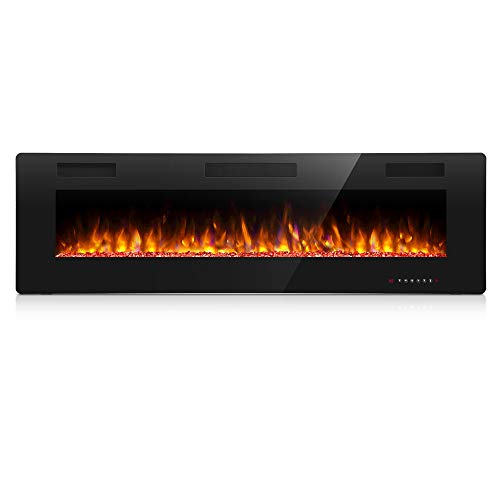
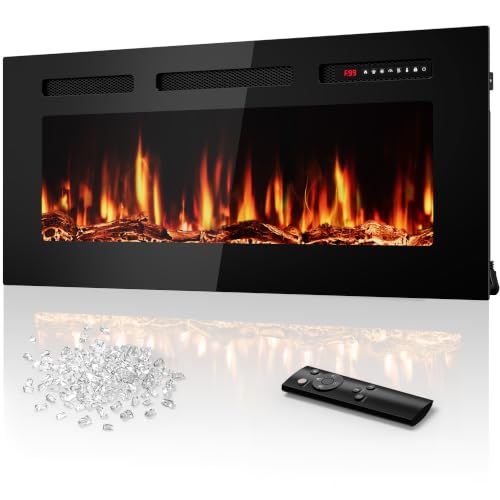
36 Inch Recessed Electric Fireplace: The Complete Guide
Everything you need to know about choosing, installing, and enjoying a 36-inch recessed electric fireplace in your home.
Why a 36-inch recessed electric fireplace? This size strikes a perfect balance—large enough to serve as a striking focal point in a living room or bedroom, yet compact enough to fit into tighter spaces like a study or dining area. Unlike bulky traditional fireplaces, a recessed electric model installs flush with your wall, saving floor space while delivering ambiance and supplemental heat.
What Is a 36-Inch Recessed Electric Fireplace?
A 36-inch recessed electric fireplace is a heating and decorative appliance designed to be built directly into a wall. The "recessed" aspect means the unit sits inside a framed opening, leaving only the front face and flame viewing area visible. This creates a sleek, integrated look that mimics the appearance of a traditional built-in fireplace without the need for a chimney, gas line, or complex venting.
The 36-inch measurement typically refers to the width of the firebox or the viewing area. This size is considered a mid-to-large option, making it suitable for rooms where a smaller 24-inch or 28-inch unit would look undersized, but a massive 60-inch or 72-inch model would dominate the space. For those exploring different sizes, our guide on electric fireplace installation covers various options.
Because these units run on electricity, they are incredibly versatile. You can install them in apartments, basements, or even converted garages where running a gas line or building a chimney would be impractical or impossible. They plug into a standard household outlet, though some higher-wattage models may require a dedicated circuit.
Key Features to Look For
Not all 36-inch recessed electric fireplaces are created equal. When comparing models, pay close attention to these features:
| Feature | What to Look For |
|---|---|
| Heating Capacity | Most 36-inch units produce between 4,000 and 5,000 BTUs, enough to heat an area of roughly 400 to 500 square feet. Check the BTU guide for detailed calculations. |
| Flame Technology | LED flame effects are standard. Premium models offer more realistic flame colors, adjustable brightness, and multiple flame speeds. Some high-end units even include crackling sound effects for added realism. |
| Installation Depth | Recessed units vary in how deep they sit inside the wall. Slimmer models (under 6 inches deep) are ideal for 2x4 framed walls, while deeper units may require 2x6 framing. |
| Controls | Look for a remote control, wall-mounted thermostat, or smart home compatibility (Wi-Fi/Bluetooth). A smart controller adds convenience. |
| Safety Features | Automatic shut-off, overheat protection, and cool-to-touch glass are essential, especially in homes with children or pets. Learn more about electric fireplace safety. |
| Wattage | Most 36-inch models draw 1,500 watts on high heat. This is important for understanding electricity usage. |
Installation: What You Need to Know
Installing a 36-inch recessed electric fireplace is a manageable DIY project for someone with basic carpentry skills, but it does require careful planning. The process generally involves:
- Choosing the Location: Select a wall that can accommodate the unit's depth and has access to a power outlet. Avoid installing directly above a heat source or in a location with excessive moisture.
- Framing the Opening: You'll need to cut into the drywall and build a frame that matches the fireplace's rough-in dimensions. Always follow the manufacturer's specifications.
- Running Power: While many units plug into a standard outlet, a clean installation often involves running a dedicated circuit or hiding the cord behind the wall. Consult an electrician if you're unsure.
- Securing the Unit: Slide the fireplace into the frame and secure it using the provided screws or mounting brackets.
- Finishing: Add trim, tile, or a surround to cover the edges of the frame for a polished look. Our guide on DIY fireplace surrounds can help.
If you're not comfortable with electrical work or framing, hiring a professional is always an option. The installation time typically ranges from a few hours to a full day, depending on the complexity of the job.
Pros and Cons of a 36-Inch Recessed Electric Fireplace
✓ Pros
- Space-saving, flush design
- No venting or chimney required
- Easy to install compared to gas or wood
- Can be used with or without heat
- Safe for apartments and condos
- Low maintenance
- Energy-efficient zone heating
✗ Cons
- Requires wall modification
- Limited heating capacity for large open spaces
- Flames may look less realistic than gas
- Higher-end models can be a significant investment
- Requires a nearby power source
Entry-Level vs. Mid-Range vs. Premium Models
When shopping for a 36-inch recessed electric fireplace, you'll encounter models across different quality tiers. Here's what to expect from each:
Budget-Friendly
Basic flame effects, simple on/off remote, standard heating. Good for occasional use and decorative purposes.
Best for: Renters, guest rooms, or those on a tight budget.
Mid-Tier
More realistic flames, multiple color options, adjustable thermostat, and quieter operation. A solid balance of features and value.
Best for: Most homeowners looking for a reliable, everyday fireplace.
High-End
Crackling sound, lifelike flame technology, smart home integration, superior build quality, and advanced safety features.
Best for: Design-focused buyers who want the most realistic experience.
For a broader comparison of how electric fireplaces stack up against other fuel types, see our electric vs gas vs wood comparison.
Maintenance and Troubleshooting
One of the biggest advantages of a 36-inch recessed electric fireplace is its low maintenance requirements. Unlike wood-burning units, there's no ash to clean, no chimney to sweep, and no creosote to worry about. However, a little care will keep your unit running smoothly for years.
Routine Maintenance
- Dust the exterior: Wipe down the front glass and frame with a soft, dry cloth.
- Clean the glass: For stubborn marks, use a non-ammonia glass cleaner. See our guide on how to clean fireplace glass.
- Check the vents: Ensure the air intake and output vents are free of dust and obstructions. Our article on cleaning an electric fireplace provides detailed steps.
- Inspect the cord: Periodically check the power cord for damage.
Common Issues
If your fireplace isn't working as expected, don't panic. Many issues have simple fixes:
- No heat: Check the thermostat setting and ensure the heater function is turned on. If it's still not heating, see our guide on electric fireplace not heating.
- Flames not working: The flame effect may be turned off, or the LED assembly may need resetting. Learn more about flame not working issues.
- Remote not working: Replace the batteries and ensure the remote is pointed at the sensor. For more help, visit our remote control fix page.
- Tripping breaker: This usually indicates the unit is drawing too much power for the circuit. Try a different outlet or consult an electrician. See tripping breaker solutions.
For a full list of issues and solutions, visit our fireplace troubleshooting hub.
Frequently Asked Questions
Yes, most 36-inch models are designed to heat spaces up to 400–500 square feet. This is ideal for a living room, bedroom, or large office. However, for whole-house heating, you would need a central HVAC system. For more details, see our article on can a fireplace heat an entire house.
No. Electric fireplaces do not produce smoke or harmful gases, so no chimney or vent is required. This makes them suitable for apartments and homes without existing chimney structures. Learn more about whether fireplaces need a chimney.
The running cost depends on your local electricity rates and how often you use the heater. On average, running a 1,500-watt unit for one hour costs roughly the same as running a small space heater. For a detailed breakdown, see our guide on daily running costs.
Yes, electric fireplaces are a popular choice for mobile homes because they don't require venting. However, you should check local regulations and ensure the wall can support the unit. Our article on manufactured homes discusses related considerations.
A recessed fireplace is built into the wall, sitting flush or nearly flush with the surface. A wall-mounted fireplace hangs on the wall like a picture. Recessed models offer a more integrated, built-in look, while wall-mounted units are easier to install and relocate. See our comparison: wall-mounted vs insert vs freestanding.
Most modern units are equipped with safety features like automatic shut-off and overheat protection, making them safe for extended use. However, it's always best to follow the manufacturer's guidelines. For more information, read our article on leaving a fireplace on overnight.
Final Thoughts
A 36-inch recessed electric fireplace is a fantastic choice for homeowners who want the beauty and warmth of a fireplace without the hassle of gas lines, chimneys, or extensive renovations. It offers a perfect middle ground in size, making it versatile enough for a variety of rooms. By understanding the features, installation requirements, and maintenance needs, you can make an informed decision that enhances your home's comfort and style for years to come.
Before you buy, consider how you'll use the fireplace. Will it be a primary heat source or purely decorative? Do you want smart home integration? Answering these questions will help you narrow down the best model for your needs. For more guidance, explore our fireplace buying guide.