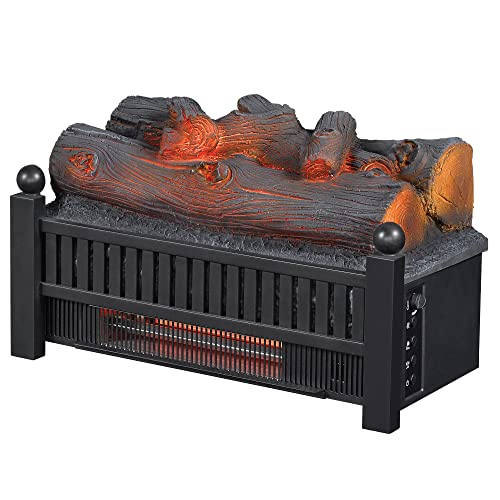
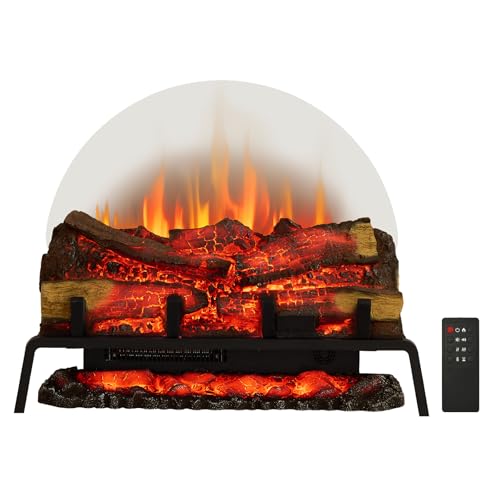
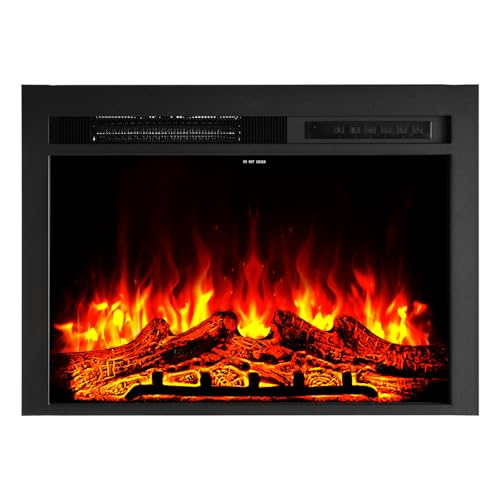
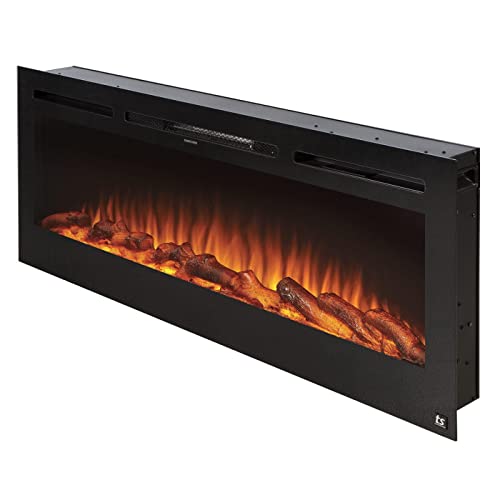
Electric Fireplace Inserts with Blower
Transform your existing fireplace into an efficient heating source. Learn how blower-equipped electric inserts work, what to look for, and how to choose the right model for your home.
View Recommended ModelsWhy choose an electric insert with blower? Unlike traditional electric inserts that rely on radiant heat alone, a blower actively circulates warm air into your room. This makes them significantly more effective for zone heating, especially in spaces where you want to supplement your main HVAC system without the cost and complexity of gas or wood.
What Is an Electric Fireplace Insert with Blower?
An electric fireplace insert with blower is a self-contained heating unit designed to fit into an existing fireplace opening—whether that's a traditional wood-burning fireplace, a gas fireplace that's no longer in use, or a prefabricated firebox. The "blower" component is a fan that pulls cool air from the room, passes it over a heating element (typically infrared quartz or a metallic coil), and pushes warmed air back into the space.
This active air circulation is what sets blower-equipped models apart from basic electric inserts. Without a blower, heat tends to rise and stay near the unit, which can leave the rest of the room feeling cool. With a blower, the warmth is distributed more evenly, making the insert far more effective as a supplemental heat source. If you're still exploring whether an electric insert is right for your situation, our guide on electric fireplace inserts for wood burning fireplaces covers the basics of compatibility and installation.
Many modern models also include adjustable flame brightness, multiple flame colors, and remote control operation. Some even offer thermostat control, allowing the insert to maintain a consistent temperature automatically. The combination of realistic flame effects and functional heating makes these inserts a popular choice for homeowners who want both ambiance and practicality.
How Does the Blower Work?
The blower in an electric fireplace insert is essentially a small fan positioned behind or above the heating element. When the heater is turned on, the fan draws in ambient air from the room through vents, typically located at the bottom or sides of the unit. That air is then forced over the hot heating element and expelled through the front vents as warm air.
Most blowers offer at least two speed settings—low and high. Low speed is quieter and suitable for maintaining a comfortable temperature in a smaller space. High speed moves more air and is better for larger rooms or when you need to warm up a space quickly. Some premium models feature variable-speed blowers, giving you finer control over both airflow and noise levels.
Key Benefits of Electric Inserts with Blower
Efficient Zone Heating
A blower moves warm air into the room rather than letting it stagnate near the fireplace. This makes electric inserts with blowers far more effective at heating the immediate area compared to radiant-only models.
No Venting Required
Like all electric fireplaces, these inserts don't produce smoke or harmful gases, so no chimney, flue, or venting is needed. This makes them suitable for apartments, condos, and homes without existing chimney infrastructure.
Installation Flexibility
Most electric inserts simply plug into a standard household outlet. They can be placed in an existing fireplace opening or installed into a custom built-in cabinet or wall unit. For ideas on integration, see our guide on electric fireplace inserts for entertainment centers.
Realistic Flame Effects
Modern electric inserts use LED technology to create lifelike flames with adjustable colors and brightness. You can enjoy the ambiance of a fire with or without heat, making them usable year-round.
Low Maintenance
Electric inserts have no creosote, ash, or gas lines to worry about. Routine care is limited to dusting vents and occasionally cleaning the glass or flame screen. Our electric fireplace maintenance guide covers simple upkeep steps.
Safety Features
Most models include overheat protection and cool-touch surfaces. Unlike gas or wood, electric inserts don't produce carbon monoxide, making them a safer option for bedrooms and living areas. Learn more in our article on whether electric fireplaces produce CO.
What to Look For in an Electric Insert with Blower
Not all electric inserts with blowers are created equal. Here are the most important factors to evaluate before making a purchase:
Heating Capacity and Wattage
Electric inserts are typically rated in watts or BTUs. A common residential model draws 1,500 watts, which translates to roughly 5,100 BTUs—enough to supplement heating in a room up to about 400 square feet. Smaller units may draw 750 watts (about 2,500 BTUs) and are better suited to tighter spaces. If you need to heat a larger area, look for models with higher wattage or consider multiple heat sources. Our fireplace heating capacity and BTU guide explains how to match heating output to room size.
Blower Type and Noise Level
Blowers vary in quality and noise output. Entry-level models may have a single-speed fan that can be noticeably loud on high. Mid-range and premium inserts often feature quieter, multi-speed or variable-speed blowers. If the insert will be in a living room or bedroom, prioritize a model with a low-noise blower. Reading user reviews can give you a sense of real-world noise levels.
Flame Realism and Adjustability
Flame technology has improved dramatically in recent years. Look for inserts with adjustable flame speed, brightness, and color options. Some models offer multiple flame themes—from classic orange to modern blue—so you can match the mood. The most realistic electric inserts use layered LED effects and ember beds to mimic a genuine fire. For more on this, see our guide on the most realistic looking electric fireplace inserts.
Installation Requirements
Check the dimensions of your existing fireplace opening and compare them to the insert's specifications. Most inserts are designed to fit standard openings, but you may need a trim kit or surround to cover gaps. Also consider the power source: most plug into a standard outlet, but you'll want to ensure the cord reaches an outlet without creating a tripping hazard. If you're replacing a wood-burning unit, our article on electric fireplace inserts to replace wood burning walks through the process.
Controls and Convenience Features
Remote controls are common, but some models offer smartphone app control, Wi-Fi connectivity, and voice assistant compatibility. Thermostat control is another valuable feature, allowing the insert to cycle on and off to maintain your desired temperature. If convenience matters to you, look for models with these smart features. You can also explore our guide on electric fireplaces with remote control for more options.
Electric Insert vs. Other Fireplace Types
If you're still deciding between electric, gas, and wood inserts, the table below summarizes how electric inserts with blowers compare on key criteria.
| Feature | Electric Insert with Blower | Gas Insert | Wood Insert |
|---|---|---|---|
| Venting Required | No | Yes (direct vent or B-vent) | Yes (chimney liner) |
| Installation Complexity | Low (plug-in) | Moderate to High | High |
| Heating Efficiency | Moderate (supplemental) | High (primary or supplemental) | Moderate to High |
| Maintenance | Minimal | Annual professional service | Regular ash removal and chimney cleaning |
| Ambiance | Realistic LED flame | Real flame | Real flame |
| Best For | Apartments, supplemental heat, easy install | Whole-room heating, existing gas line | Off-grid heating, traditional feel |
For a deeper comparison across all fuel types, see our guide on electric vs gas vs wood fireplace comparison.
Installation Overview: What to Expect
One of the biggest advantages of electric inserts is their straightforward installation. In most cases, you can complete the job in an afternoon without hiring a professional. Here's a high-level overview:
- Measure your fireplace opening: Record the width, height, and depth. Compare these to the insert's dimensions, accounting for any trim or surround.
- Prepare the opening: Remove any old logs, grates, or gas components if applicable. Clean the firebox to remove soot or debris.
- Plan the power source: Ensure a grounded outlet is within reach of the insert's cord. Avoid using extension cords for extended periods.
- Position the insert: Slide the unit into the opening. Some models come with leveling legs or mounting brackets for a secure fit.
- Attach the trim or surround: If there are gaps between the insert and the fireplace opening, use a trim kit or custom surround to create a finished look.
- Test the unit: Plug it in, turn on the flame and heater, and verify that the blower is working and the thermostat (if equipped) responds correctly.
If you're installing into an existing fireplace, our article on electric fireplace insert into existing fireplace provides more detailed steps. For those considering a built-in cabinet or wall unit, see electric fireplace insert for entertainment center.
Maintenance and Troubleshooting Tips
Electric inserts with blowers are low-maintenance, but a few simple habits will keep them running smoothly for years:
- Dust the vents regularly: Use a vacuum brush attachment or a soft cloth to remove dust from intake and exhaust vents. This prevents the blower from working harder than necessary.
- Clean the glass or flame screen: Fingerprints and dust can dull the flame effect. Use a non-abrasive glass cleaner and a microfiber cloth.
- Check the blower for obstructions: Occasionally, pet hair or dust bunnies can get drawn into the blower. If you notice reduced airflow or unusual noise, unplug the unit and inspect the fan area.
- Inspect the power cord: Look for fraying or damage. Replace the cord or have it repaired by a qualified technician if needed.
If your insert stops heating or the blower fails, our electric fireplace not heating troubleshooting guide can help you diagnose common issues. For flame-related problems, see electric fireplace flame not working.
Common Questions About Electric Inserts with Blowers
Can an electric insert with blower heat a whole room? Yes, for supplemental heating. A typical 1,500-watt model can take the chill off a room up to about 400 square feet. It's not designed to replace a central furnace, but it can reduce the load on your main heating system. See do electric fireplaces heat a room for details.
Is the blower noisy? It depends on the model. Entry-level units can be audible on high, while mid-range and premium models are engineered to be quieter. Variable-speed blowers let you choose a lower, quieter setting when you don't need maximum airflow.
Do I need a chimney for an electric insert? No. Electric inserts are ventless and do not require a chimney or flue. You can install them in any suitable opening. Learn more in do fireplaces need a chimney.
Can I use the flame without the heater? Yes. Most models allow you to operate the flame independently of the heater, so you can enjoy the ambiance even in summer. This is a common feature on models like those in our electric fireplace insert without heat guide.
Final Thoughts
An electric fireplace insert with blower is an excellent solution for homeowners who want to upgrade an existing fireplace without the cost and complexity of gas or wood. The blower makes a meaningful difference in how effectively the heat is distributed, turning a decorative feature into a functional zone heater. Whether you're replacing a worn-out wood insert, converting a gas fireplace, or simply adding warmth to a basement or living room, there's a model to fit your space and needs.
As you compare options, focus on heating capacity, blower quality, flame realism, and installation fit. If you're still exploring broader options, our fireplace buying guide can help you weigh the pros and cons of different fireplace types. For specific model recommendations, check out the curated selection below.