Electric Fireplace Insert Freestanding: The Complete Guide
Unlock the flexibility, efficiency, and style of a freestanding electric fireplace insert. Learn how to choose the perfect model for your space, understand key features, and make an informed decision.
Explore the GuideYour Research Partner: We understand that choosing a fireplace is a significant decision. This guide is designed to provide you with clear, comprehensive information on freestanding electric fireplace inserts, so you can purchase with confidence.
What is a Freestanding Electric Fireplace Insert?
The term "freestanding electric fireplace insert" might sound contradictory at first. An "insert" is typically designed to be placed *inside* an existing fireplace opening. However, a "freestanding" unit is a self-contained appliance that can stand alone anywhere in a room. So, what does it mean when these concepts are combined?
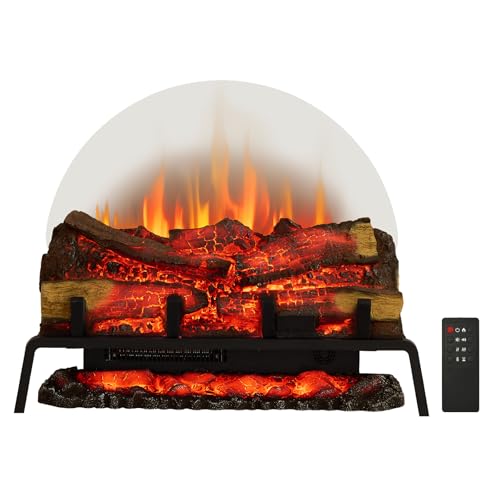
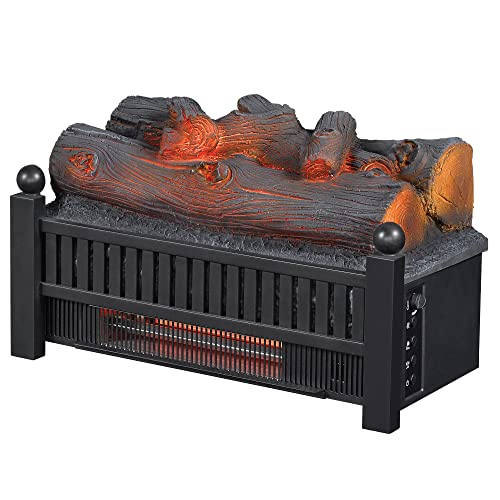
A freestanding electric fireplace insert is a versatile hybrid. It is a complete, portable electric fireplace unit that is styled to resemble a traditional insert or a small stove. Unlike a built-in model that requires a dedicated opening, a freestanding unit can be placed almost anywhere—against a wall, in a corner, or even in the middle of a room. It offers the aesthetic of a fireplace insert with the placement flexibility of a freestanding stove. For those looking to replace an old, inefficient wood-burning fireplace without major renovations, this type of unit can be an excellent solution, much like the concept explored in our guide on electric fireplace insert into a wood burning fireplace.
Why Choose a Freestanding Electric Fireplace Insert?
This unique style of fireplace offers a compelling blend of benefits that make it a popular choice for modern homes. Here are the primary advantages:
- Unmatched Flexibility: You are not limited by an existing chimney or a pre-built wall cavity. This is ideal for apartments, condos, or any home where structural changes are not feasible. You can even find models designed for very specific spaces, such as a freestanding electric fireplace for RV.
- Simple Installation: Most freestanding electric fireplaces are "plug-and-play." If you have a standard electrical outlet nearby, you can have it up and running in minutes. This simplicity is a core theme in our electric fireplace installation guide.
- No Venting or Chimney: Electric fireplaces do not produce smoke, carbon monoxide, or creosote, so they require no venting. This eliminates a major expense and safety concern associated with gas and wood-burning models. For a deeper dive, see our article on whether all fireplaces need a chimney.
- Zone Heating Efficiency: These units are excellent for zone heating, allowing you to warm only the room you are using. This can be more energy-efficient than heating your entire home. You can learn more in our guide to the most energy-efficient fireplace types.
- Style and Ambiance: They provide the cozy ambiance of a real fire without any of the mess or maintenance. With advanced LED and water-vapor technologies, many models now offer incredibly realistic flames.
For a broader look at how these units stack up against other options, our electric vs gas vs wood fireplace comparison provides a detailed breakdown.
Key Features to Consider in a Freestanding Electric Fireplace Insert
Not all electric fireplaces are created equal. Understanding these features will help you choose the right model for your needs and preferences.
1. Heating Capacity (BTU and Wattage)
The heating power of an electric fireplace is measured in British Thermal Units (BTUs) or watts. A typical unit runs on 1,500 watts, which generates approximately 5,100 BTUs. This is generally sufficient to heat a room up to 400 square feet. If you have a larger space, you may need a more powerful model, though the principles in our heating capacity explained (BTU guide) are crucial to understand.
2. Flame Effect and Realism
The quality of the flame effect is a major factor in the visual appeal of an electric fireplace. Modern technologies include:
- LED Lighting: The most common and energy-efficient method, using lights and rotating mirrors to create a flame illusion.
- Water Vapor: This emerging technology uses water vapor and LED lights to create a very realistic, three-dimensional flame and smoke effect. You can read more about it in our comparison of LED vs water vapor flame realism.
Some models even include crackling sound effects to enhance the sensory experience. For a list of top-performing units, you might look for the most realistic electric fireplace logs.
3. Thermostat and Control Options
Most modern freestanding electric fireplaces come with a remote control. Advanced features include:
- Adjustable Thermostat: Allows you to set a specific temperature, and the heater will cycle on and off to maintain it. This is a key feature for efficient heating.
- Timers: Program the unit to turn off automatically after a set period, a useful safety and energy-saving feature.
- Smart Home Integration: Some high-end models can be controlled via Wi-Fi and smartphone apps or smart home systems like Alexa and Google Assistant. Our article on a smart Wi-Fi fireplace controller explores this further.
4. Design and Size
These units come in a variety of styles, from traditional stoves to sleek, modern towers. Consider the size of your space and the aesthetic you want to achieve. A large free standing electric fireplace can serve as a bold focal point, while a free standing small electric fireplace is perfect for apartments or cozy corners.
Popular Styles of Freestanding Electric Fireplaces
You can find a freestanding electric fireplace to match nearly any interior design theme.
- Electric Stove Style: These units mimic the look of a traditional cast-iron or steel wood stove. They often feature a small window and a classic design. You can find models that beautifully mimic a wood-burning stove or even a cast iron fireplace with electric fire.
- Contemporary Tower: A tall, slender design that often features a vertical, linear flame effect. These are sleek and modern, perfect for minimalist spaces.
- Mantel Style: Some freestanding models include a built-in mantel, creating a complete furniture piece. This is a great option if you want a traditional focal point without construction. This is a popular alternative to the more permanent electric fireplace inserts with a mantle.
Installation and Placement Guidelines
One of the biggest advantages of a freestanding electric fireplace is its ease of installation. However, a few guidelines will ensure safe and effective operation.
Placement Tips:
- Choose a Safe Location: Place the unit on a flat, stable, and non-combustible surface. Always maintain a safe distance from furniture, curtains, and other flammable materials. Our article on how close furniture can be to a fireplace provides specific clearance guidelines.
- Ensure Proper Ventilation: While they don't need a chimney, electric fireplaces still need space for airflow around the unit to prevent overheating. Do not place it in a tightly enclosed space.
- Access to a Power Outlet: You will need a dedicated, properly grounded electrical outlet. Avoid using extension cords, as they can overheat. For more information, see our guide on plug-in vs hardwired electric fireplaces.
- Consider the Viewing Angle: Think about where you will be sitting most often. A unit with a wider viewing area or multiple viewing sides may be more suitable for a central room location.
For a step-by-step overview, refer to our general fireplace installation guide.
Freestanding Electric vs. Other Fireplace Types
How does a freestanding electric fireplace compare to its counterparts?
- vs. Built-in Electric: A built-in unit offers a more seamless, integrated look but requires wall modification. A freestanding model is portable and requires no construction. The choice often comes down to design preference and DIY capability, as discussed in our article on wall-mounted vs insert vs freestanding.
- vs. Gas or Wood: Electric units are 100% efficient at the point of use, require no venting, and need no fuel storage. However, gas and wood fireplaces can provide higher heat output and the authentic ambiance of a real fire. Our comparison of running costs and our pros and cons guide can help you decide.
If you're still exploring your options, our article on which fireplace is right for your home can help you narrow down the choices based on your lifestyle and needs.
Maintenance and Troubleshooting
Freestanding electric fireplaces are incredibly low-maintenance. Regular care involves:
- Dusting: Wipe down the exterior with a soft, dry cloth. For the interior and vents, use a vacuum with a brush attachment.
- Cleaning the Glass: Use a standard glass cleaner and a soft cloth. Our guide on how to clean fireplace glass provides more detailed instructions.
- Inspecting the Cord: Periodically check the power cord for any signs of wear or damage.
If you encounter issues, many problems have simple solutions. For example, if your unit isn't heating, check our article on electric fireplace not heating. Other common issues are covered in our fireplace troubleshooting section. You can also find a complete maintenance schedule in our electric fireplace maintenance guide.
Final Thoughts: Is a Freestanding Electric Insert Right for You?
A freestanding electric fireplace insert is an ideal choice for anyone seeking the ambiance and supplemental heat of a fireplace without the hassle of installation, venting, or maintenance. It is a perfect solution for renters, apartment dwellers, or homeowners looking to add a touch of warmth and style to a room without a major renovation.
By carefully considering your heating needs, desired flame realism, and design preferences, you can find a model that perfectly complements your home. For those ready to take the next step, our fireplace buying guide offers a structured approach to making your final choice.