Electric Fireplace Crackling Sound: Causes & Solutions
Is your electric fireplace making a crackling noise? Discover whether it's a feature, a minor issue, or a sign of a problem that needs attention.
You've settled into your favorite chair, turned on your electric fireplace, and then you hear it: a faint crackling sound. Is this a nostalgic feature designed to mimic a real wood fire, or is it a sign that something is wrong with your unit?
Unlike gas or wood-burning fireplaces, electric models have no actual combustion. Therefore, any crackling sound is either a deliberate feature or a mechanical issue. Understanding the difference is key to enjoying your fireplace with peace of mind.
The Short Answer: Many modern electric fireplaces include a built-in crackling sound effect for realism. However, if the noise is new, unusually loud, or accompanied by other symptoms, it may indicate a problem like a loose fan, debris, or a failing component.
1. Intentional Crackling Sound Effects (The Good Kind)
The most common reason for a crackling sound in an electric fireplace is that it's a designed feature. Manufacturers understand that the ambiance of a fireplace isn't just visual—it's auditory too. To enhance the realistic experience, they add a speaker that plays a looping audio track of wood crackling and popping.
How to Identify a Sound Effect
- It's consistent: The sound is the same every time you turn it on and loops predictably.
- It's optional: You can usually turn the sound on or off using the remote control, a control panel button, or a smartphone app.
- It's described in the manual: Check your owner's manual. It will likely list "crackling sound effect" or "adjustable flame and sound" as a feature.
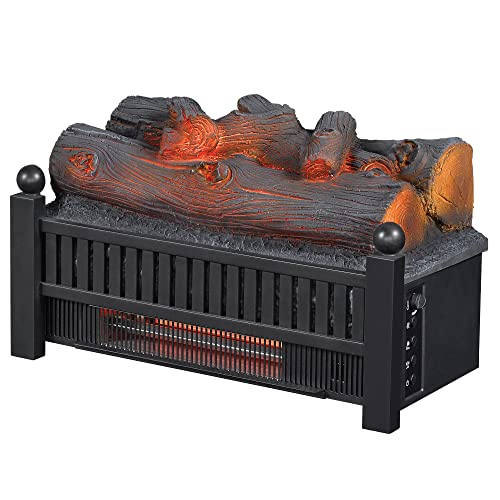
If your unit has this feature, you are in luck. It means your fireplace is working as intended. If you find the sound annoying, simply turn it off. For those who love the effect, this is a major selling point. You can even find models with more advanced sound options. Some of the best electric fireplace logs with crackling sound offer high-quality audio that can be adjusted independently of the flame. Similarly, a realistic electric fireplace with crackling sound is specifically designed to combine lifelike flames with authentic audio.
If you're looking for this feature, you might consider a freestanding electric fireplace with crackling sound or a model like an electric fireplace insert with crackling sound, which can be placed in an existing fireplace opening.
2. Mechanical Causes (When It's Not a Feature)
If you've confirmed that the crackling sound is not a built-in feature, or if the noise is new and irregular, it's time to investigate mechanical causes. Here are the most common culprits:
A. Thermal Expansion and Contraction
This is the most common and benign mechanical cause. As the metal components of your fireplace heat up, they expand. As they cool down, they contract. This movement can cause creaking, ticking, or crackling sounds. This is normal and is not a cause for concern, especially if it happens during the first few minutes of operation or after you turn it off.
B. Debris and Dust in the Fan or Heater
Over time, dust, pet hair, and other small debris can accumulate inside your fireplace's housing, particularly around the fan and heating elements. When the fan kicks on, it can blow this debris around, causing a rattling or crackling noise. In some cases, debris can also get caught in the fan blades themselves, creating a more pronounced sound.
C. Loose Fan Components
The fan is a critical component for distributing heat in most electric fireplaces. If the fan blade becomes loose on its motor shaft or if its mounting screws are not tight, it can wobble and create a variety of noises, including a rhythmic crackling or ticking sound. This issue often worsens over time if left unaddressed.
D. Electrical Arcing or a Failing Component
This is the most serious potential cause. A crackling or popping sound from an electrical device can sometimes indicate arcing. Arcing happens when electricity jumps a gap, creating a spark and a sharp, crackling sound. This could be caused by a loose wire, a faulty switch, or a failing heating element. If you suspect electrical arcing, unplug the unit immediately and do not use it until it has been inspected by a qualified technician. This is a potential fire hazard. For other issues, you can refer to our guide on electric fireplace buzzing noise or general fireplace troubleshooting.
3. Troubleshooting Guide: Crackling Sound
Use this table to diagnose the likely cause of your fireplace's crackling sound.
| Symptom | Likely Cause | Recommended Action |
|---|---|---|
| The crackling is consistent and loops. | Built-in sound effect. | Turn off the sound feature using the remote or control panel. Refer to your manual. |
| Crackling starts after a few minutes of use and stops when the unit cools. | Thermal expansion/contraction of metal parts. | No action needed. This is normal. |
| Crackling is accompanied by a rattling or humming sound, especially when the heater is on. | Debris in the fan or blower assembly. | Unplug the unit, allow it to cool, and carefully vacuum out any visible dust or debris from the vents and fan area. |
| Rhythmic ticking or crackling that changes with fan speed. | Loose fan blade or mounting screws. | Unplug the unit and inspect the fan. Tighten any loose screws. If the fan itself is damaged, it may need replacement. |
| Sharp, popping crackling sound, possibly with a burning smell or flickering lights. | Electrical arcing (serious). | Immediately unplug the unit. Do not use it. Contact a qualified electrician or the manufacturer for repair. |
4. Maintenance and Prevention
Regular maintenance can prevent many mechanical noises, including crackling. Here are some simple steps you can take:
- Regular Cleaning: Follow the manufacturer's instructions for cleaning your electric fireplace. This typically involves dusting the exterior and vacuuming vents to prevent debris buildup.
- Annual Inspection: Conduct a quick electric fireplace inspection each year before the heating season. Check the power cord for damage, listen for unusual noises, and ensure all vents are unobstructed.
- Tighten and Secure: Occasionally check that all visible screws and fasteners are tight. This can prevent components from vibrating loose.
- Professional Service: If you are uncomfortable inspecting the internal components, or if you suspect a serious electrical issue, consider hiring a professional. Our guide on how often to service a fireplace can help you decide.
5. When to Call a Professional
While many crackling sounds are benign, some situations require professional attention. You should consult a qualified technician if:
- The crackling sound is accompanied by a burning smell.
- You see sparks or notice flickering lights that are not part of the flame effect.
- The unit repeatedly trips your circuit breaker.
- The crackling is very loud and sounds like something is physically breaking inside the unit.
- You are simply unsure and want the peace of mind of a professional opinion.
Ignoring potential electrical issues can lead to safety hazards. If you have any doubts, it's always best to err on the side of caution. For more general safety information, you can review our electric fireplace safety guide.
Are you looking for a new electric fireplace with a realistic, adjustable crackling sound effect?
We've reviewed the top models that offer the best combination of ambiance, heating, and features.
See Our Top RecommendationsFrequently Asked Questions (FAQ)
Is it normal for an electric fireplace to crackle?
Yes, it is often normal. Many electric fireplaces have a built-in crackling sound effect to mimic a real wood fire. However, if the sound is new or accompanied by other issues, it could be a mechanical problem.
Why is my electric fireplace making a crackling noise all of a sudden?
A sudden crackling noise could be due to debris buildup in the fan, a loose fan component, or thermal expansion. Less commonly, it could indicate an electrical issue.
How do I turn off the crackling sound on my electric fireplace?
Most models with a sound feature allow you to disable it. Check your remote control for a "sound" or "audio" button. You may also find a control on the unit itself or in a companion smartphone app.
Can I fix a crackling sound myself?
You can safely address some causes, such as cleaning debris from the vents. However, for internal issues like a loose fan or suspected electrical problems, it's best to contact a professional.
Conclusion
A crackling sound from your electric fireplace can be either a charming feature or a warning sign. By understanding the difference, you can decide on the right course of action. If it's a sound effect, simply enjoy it or turn it off. If it's mechanical, a little troubleshooting can often solve the problem. And if you ever suspect an electrical issue, don't hesitate to seek professional help.
For those in the market for a new unit, many modern models offer impressive realistic features. Whether you're looking for a best electric fireplace for 1000 square feet or a stylish unit to fit a smaller space, prioritize safety, quality, and features that matter to you.