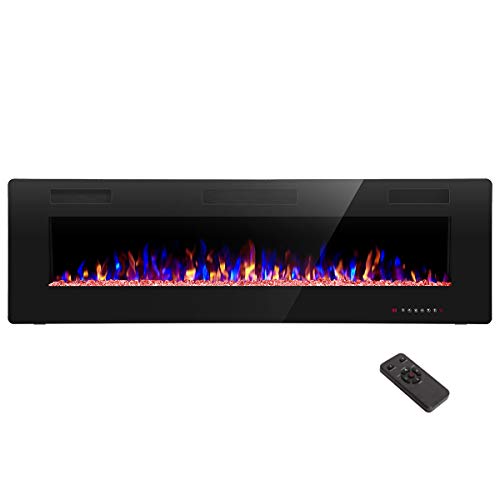
The Efficient Electric Fireplace Insert: A Complete Guide
Discover how a modern electric insert can transform your existing fireplace into a zone-heating powerhouse, delivering realistic flames and targeted warmth without the hassle of venting or fuel.
Start Your ResearchWhy an Efficient Electric Insert? If you have an old, drafty wood-burning fireplace that loses more heat than it produces, an electric insert is the most practical, cost-effective solution. It converts your fireplace into a sealed, efficient heater that warms the room you're in—not the chimney.
What Makes an Electric Fireplace Insert "Efficient"?
An electric fireplace insert is a self-contained unit designed to fit into an existing fireplace opening. Unlike traditional wood or gas fireplaces, electric inserts do not require a chimney, vent, or gas line. Their efficiency comes from two key factors: zero heat loss and targeted zone heating.
Traditional open fireplaces are notoriously inefficient, with up to 90% of heat escaping up the chimney. A sealed electric insert, however, converts nearly 100% of the electricity it consumes into usable heat for your room. This makes it a superior choice for supplemental heating, especially in spaces where you spend most of your time.
For a broader understanding of how electric inserts compare to other options, see our guide on electric fireplace insert into existing fireplace. If you're still deciding between fuel types, our electric vs gas vs wood fireplace comparison provides a detailed breakdown.
How Electric Inserts Generate Heat
Most efficient electric inserts use one of two heating technologies: infrared quartz or fan-forced ceramic. Both are designed to heat objects and people directly, rather than just warming the air. This is what makes them so effective for zone heating.
Infrared Quartz Heating
Infrared heaters emit electromagnetic waves that directly warm objects, similar to how sunlight feels warm on your skin. They are silent, gentle, and excellent for spot heating. Models with infrared technology often feel warmer faster because the heat is immediate and directional.
Fan-Forced Ceramic Heating
Fan-forced heaters draw in cool air, pass it over a heated ceramic element, and blow the warmed air into the room. They are highly effective for quickly raising the temperature of a whole room, though the fan can produce a slight noise. Many top-tier inserts combine both technologies for maximum efficiency.
For a deeper dive into heating capabilities, read our guide on heating capacity explained (BTU guide).
Sizing Your Insert: BTU and Room Dimensions
Choosing the right size insert is critical for efficiency. An undersized unit will struggle to heat your space, while an oversized one may cycle on and off inefficiently. The key metric is BTU (British Thermal Units).
As a general rule, you need approximately 20 BTU per square foot of living space, depending on insulation and climate. Most electric inserts on the market today produce between 4,000 and 5,200 BTU, which is sufficient to heat areas up to 400 square feet. However, some high-end models can deliver up to 10,000 BTU for larger rooms.
For a precise calculation, use our how to size a fireplace guide or check if your intended space can be heated by a single unit with can a fireplace heat an entire house.
If you have a small apartment or a specific room in mind, see our recommendations for the best fireplace for small spaces.
Key Features of an Efficient Electric Insert
Not all electric inserts are created equal. To maximize efficiency and comfort, look for these features:
- Thermostat Control: A built-in thermostat allows the unit to maintain a consistent temperature, preventing energy waste. Some models offer smart Wi-Fi control, letting you schedule heating remotely. Learn more in our fireplace thermostat guide.
- Multiple Heat Settings: The ability to switch between high and low heat, or to use the flame effect without heat, gives you year-round functionality.
- Timer Function: Auto-shutoff timers prevent the unit from running unnecessarily, saving electricity.
- Realistic Flame Effects: While not directly related to heating efficiency, a realistic flame (such as LED or water vapor) enhances the ambiance and makes the insert feel like a true fireplace. See our guide on most realistic looking electric fireplace insert.
- Blower Function: A fan or blower helps distribute heat more evenly across the room. For more on this, read blower vs fan: what's the difference.
To ensure safety and compliance, check our electric fireplace inspection guide and ventilation requirements.
Efficiency at a Glance: Electric Insert vs. Alternatives
The table below compares the efficiency of an electric insert against other common fireplace types. This will help you understand why an electric insert is often the most practical choice for supplemental heat.
| Feature | Electric Insert | Wood Burning | Gas Insert |
|---|---|---|---|
| Heating Efficiency | ~100% (all heat stays in room) | 10-30% (open); 60-80% (insert) | 70-90% (sealed combustion) |
| Venting Required | No | Yes (chimney/liner) | Yes (direct vent or B-vent) |
| Installation Complexity | Low (plug-and-play) | High (professional) | Moderate to High |
| Maintenance | Minimal (dusting) | High (ash, creosote, chimney) | Moderate (annual inspection) |
| Zone Heating Capability | Excellent | Good (if insert) | Very Good |
| Ambiance | Realistic flame effects | Authentic fire | Real flame |
For a direct comparison between electric and gas running costs, see electric vs gas: running costs compared.
Installation: A Simple Path to Efficiency
One of the biggest advantages of an electric insert is the ease of installation. Because there is no need for venting, gas lines, or complex masonry work, you can often install it yourself in a matter of hours. Most units simply plug into a standard household outlet.
However, if you are converting an existing wood-burning fireplace, you may need to ensure the opening is clean and free of debris. Some homeowners choose to install a DIY fireplace surround for electric fireplace to cover gaps and enhance the look.
For a step-by-step process, refer to our guide on installing an insert in a fireplace. If you prefer professional help, you can search for electric fireplace insert installation near me.
Before you begin, check local fireplace permit requirements to ensure compliance.
Maintaining Your Efficient Electric Insert
Electric inserts are incredibly low-maintenance compared to wood or gas units. There are no ashes to clean, no chimneys to sweep, and no gas leaks to worry about. However, a little care will keep your unit running efficiently for years.
- Dust the unit regularly: Use a soft cloth or vacuum brush to remove dust from the heater vents and flame effect area. See our full guide on cleaning electric fireplace.
- Inspect the cord and plug: Periodically check for wear or damage. For detailed inspection steps, see electric fireplace inspection guide.
- Check the remote: If your remote stops working, see our troubleshooting guide for remote control not working.
- Follow the seasonal checklist: Before winter, ensure everything is in working order with our seasonal maintenance checklist and winter fireplace preparation guide.
For a complete maintenance schedule, see electric fireplace maintenance tips.
Troubleshooting Common Electric Insert Issues
While electric inserts are reliable, you may encounter a few common problems. Here’s how to address them:
- Unit not heating: Check if the thermostat is set correctly and the heater is not blocked. See electric fireplace not heating?
- Flame effect not working: This could be a loose connection or a faulty LED. Read flame not working (but heat is on).
- Tripping the breaker: This often indicates an overloaded circuit. See keeps tripping the breaker?
- Buzzing noise: A slight hum is normal, but a loud buzz may indicate a fan issue. Read making buzzing noise?
- Remote not responding: Try resetting the unit or replacing batteries. See remote control not working?
For a comprehensive guide, visit our fireplace troubleshooting hub.
Frequently Asked Questions
Do electric fireplace inserts really heat a room?
Yes, they are designed for zone heating. A typical unit can warm an area up to 400 square feet, and some high-end models can heat up to 1,000 square feet. See do electric fireplaces really heat a room? for details.
Are electric fireplace inserts expensive to run?
They are generally very cost-effective for supplemental heat. Because they are nearly 100% efficient, you get the most heat per unit of electricity. For a breakdown, see are electric fireplaces expensive to run?
Can I install an electric insert in an old wood-burning fireplace?
Absolutely. This is one of the most common uses. You simply need to ensure the opening is clean and the unit fits. See our guide on electric fireplace insert into wood burning fireplace.
Do electric inserts produce carbon monoxide?
No, electric inserts do not produce carbon monoxide. They are safe for indoor use without venting. See do electric fireplaces produce CO?
What is the lifespan of an electric fireplace insert?
With proper care, a high-quality electric insert can last 10-20 years. See what is the lifespan of a fireplace? for more info.
Final Thoughts: Is an Efficient Electric Insert Right for You?
If you are looking for a heating solution that is easy to install, low-maintenance, and highly efficient for zone heating, an electric fireplace insert is an excellent choice. It transforms an inefficient, drafty fireplace into a functional, beautiful heat source that you can enjoy year-round.
Before you buy, consider your room size, heating needs, and desired features. Use our fireplace sizing worksheet & checklist to ensure you choose the right model. And remember, while the initial investment may be higher for premium models, the long-term savings on installation and maintenance often make them the most cost-effective option.
Ready to explore models? Check out our recommended products below.