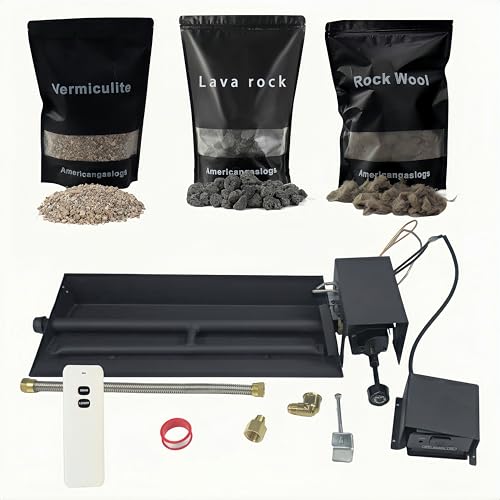
Converting Wood to Gas Fireplace Cost: What You Need to Know
Understand the full investment, from gas line installation to venting and inserts, before you convert your wood-burning fireplace.
Explore Cost BreakdownWhy homeowners convert: A wood-burning fireplace offers charm, but it comes with hauling logs, cleaning ashes, and inconsistent heat. Converting to gas delivers instant ambiance, cleaner operation, and reliable warmth—often at a fraction of the long-term hassle. Understanding the true cost helps you decide if the switch is right for your home.
Why Convert from Wood to Gas?
The decision to convert a wood-burning fireplace to gas is rarely impulsive. Homeowners typically cite convenience, efficiency, and safety as primary motivators. A gas fireplace eliminates the need for seasoned firewood, removes ash disposal, and reduces chimney maintenance. It also provides instant heat with the flip of a switch or a remote control.
From a design perspective, gas inserts and log sets can replicate the look of a real wood fire with remarkable realism. Modern units feature glowing embers, dancing flames, and even crackling sound effects. For those who love the aesthetic but not the labor, gas is an attractive compromise.
However, the conversion process involves more than swapping one fuel source for another. It requires careful planning around venting, gas supply, and local building codes. The total cost depends on several factors, including the type of gas appliance you choose, whether a chimney liner is needed, and the complexity of the installation.
If you are still exploring your options, our guide on types of fireplaces can help you compare fuel types side by side. For a broader look at the decision-making process, see electric vs gas vs wood fireplace comparison.
What Does a Wood to Gas Conversion Cost?
The total investment for converting a wood-burning fireplace to gas varies widely based on your home's existing infrastructure, the type of gas appliance you select, and regional labor rates. Below is a breakdown of the main cost components you should anticipate.
| Component | What It Covers | Typical Tier |
|---|---|---|
| Gas Line Installation | Running a new gas line from the meter or propane tank to the fireplace, including fittings and shut-off valve. | Mid-range to premium |
| Gas Fireplace Insert or Log Set | The appliance itself—vented insert, ventless insert, or gas log set. Vented inserts generally cost more than ventless logs. | Entry-level to luxury |
| Chimney Liner | Stainless steel flexible liner for vented gas inserts. Required in most jurisdictions to protect the chimney and ensure draft. | Mid-range |
| Venting Components | Termination caps, adapters, and vent pipe for direct-vent or B-vent systems. Ventless units skip this cost. | Entry-level to mid-range |
| Labor & Installation | Professional installation by a licensed gas fitter, chimney sweep, or fireplace technician. Includes fitting, sealing, and testing. | Mid-range to premium |
| Permits & Inspection | Local building permits and post-installation inspection fees. Requirements vary by municipality. | Entry-level |
| Optional Upgrades | Remote control, thermostat, blower fan, decorative media, or custom surround updates. | Entry-level to luxury |
As a general reference, a complete wood-to-gas conversion project typically falls into the mid-range to premium tier of home improvement investments. The exact figure depends on whether you choose a ventless log set (the most affordable option) or a high-efficiency direct-vent insert with a blower and remote (the most premium).
Key Factors That Influence the Total Investment
Not all conversions are created equal. Several variables can push your project toward the entry-level or luxury end of the spectrum. Understanding these factors helps you budget accurately and avoid surprises.
1. Type of Gas Appliance
A ventless gas log set is the most budget-friendly option. It burns cleanly and requires no chimney liner, but it is not legal in every state and produces moisture. A vented gas insert is more expensive but offers better efficiency and realistic flame presentation. Direct-vent inserts, which pull combustion air from outside and exhaust through a dedicated pipe, are the premium choice for efficiency and safety.
For a closer look at insert options, see our guide to fireplace inserts and direct vent gas fireplace inserts with blower.
2. Chimney Condition and Liner Requirements
If your chimney is in good shape, a flexible stainless steel liner is usually sufficient. If the chimney has cracks, missing mortar, or is unlined, additional masonry repairs may be needed. These repairs can significantly increase the project cost. A professional inspection before conversion is essential.
Learn more about chimney cleaning and inspection and annual fireplace inspection to understand what to expect.
3. Gas Supply and Line Routing
If your home already has natural gas service, running a line to the fireplace is relatively straightforward. If you rely on propane, you will need a tank and possibly a new line. The distance from the gas meter or tank to the fireplace also affects labor. Long runs through finished walls or concrete slabs are more expensive.
For homes without an existing gas line, see gas fireplace without a gas line for alternative solutions.
4. Venting Configuration
Direct-vent systems require a horizontal or vertical termination, which may involve cutting through an exterior wall or running pipe through the roof. B-vent systems use the existing chimney. Ventless units need no venting at all but are subject to strict clearance and code requirements. The complexity of the vent path directly impacts labor and materials.
Our do you need a chimney or vent guide explains the differences in detail.
5. Labor Rates and Regional Differences
Installation costs vary significantly by region. Urban areas with higher living costs typically have higher labor rates. The time of year also matters—fall and winter are peak seasons for fireplace work, so scheduling in spring or summer may yield better availability and potentially better pricing.
How Does This Compare to Other Fireplace Options?
Converting to gas is just one path. Homeowners also consider switching to electric, installing a wood stove, or simply upgrading the existing wood fireplace. Here is a relative comparison:
| Option | Relative Investment | Best For |
|---|---|---|
| Convert to Gas | Mid-range to premium | Homeowners who want realistic flames, convenient heat, and minimal maintenance. |
| Convert to Electric | Entry-level to mid-range | Renters or those without gas access who want plug-and-play installation. |
| Install a Wood Stove | Mid-range to premium | Off-grid homes or those seeking maximum heating independence. |
| Upgrade Existing Wood Fireplace | Entry-level to mid-range | Homeowners who want better efficiency without changing fuel type. |
If you are considering electric instead, explore converting wood burning fireplace to electric and electric fireplace insert into existing fireplace for detailed guides.
For wood stove alternatives, see replacing a fireplace with a wood stove and wood burning stove with blower.
The Conversion Process: What to Expect
Understanding the sequence of events helps you plan and budget. Here is a typical wood-to-gas conversion timeline:
- Initial Consultation and Inspection: A fireplace professional assesses your existing chimney, fireplace box, and gas access. They recommend the best appliance and venting strategy.
- Obtain Permits: Depending on local codes, you or your contractor will pull the necessary permits for gas line work and fireplace installation.
- Gas Line Installation: A licensed plumber or gas fitter runs the gas line to the fireplace location. This may be a separate visit.
- Chimney Preparation: If a liner is required, the chimney is cleaned and the stainless steel liner is installed. Any masonry repairs are addressed at this stage.
- Insert or Log Set Installation: The gas appliance is positioned, connected to the gas line, and vented according to manufacturer specifications.
- Testing and Commissioning: The installer checks for leaks, tests the flame, and verifies proper venting. You receive a demonstration of operation and maintenance.
- Final Inspection: A local inspector signs off on the installation, ensuring it meets building and safety codes.
For a broader overview of installation requirements, see gas fireplace installation requirements and fireplace installation guide.
Long-Term Value and Return on Investment
Beyond the upfront cost, consider the long-term financial and lifestyle benefits of converting to gas:
- Lower Maintenance: No ash removal, no creosote buildup, and less frequent chimney sweeping. See gas fireplace maintenance for details.
- Energy Efficiency: Modern gas inserts are highly efficient, converting a greater percentage of fuel into usable heat. Learn about most energy efficient fireplace types.
- Convenience: Instant on/off operation, often with remote or thermostat control. Explore fireplace thermostat guide.
- Home Value: A well-installed gas fireplace can be an attractive feature for buyers. See does a fireplace add value to your home.
- Cleaner Air: Gas produces fewer particulate emissions than wood, contributing to better indoor and outdoor air quality.
To estimate ongoing operating costs, see electric vs gas fireplace running costs and fireplace daily running cost.
Common Mistakes to Avoid During Conversion
Converting a wood fireplace to gas is a complex project. Avoiding these pitfalls can save you time, money, and frustration:
- Skipping the Chimney Inspection: A thorough inspection reveals hidden damage that could compromise safety or require costly repairs. See chimney inspection.
- Choosing a Ventless Unit Without Checking Codes: Ventless gas logs are restricted in many areas. Always verify local regulations first.
- Hiring an Unlicensed Contractor: Gas work is dangerous. Ensure your installer is licensed, insured, and experienced with fireplace conversions.
- Ignoring Clearance Requirements: Gas inserts and log sets have specific clearance requirements from combustible materials. See furniture distance from fireplace.
- Forgetting About the Liner: A stainless steel liner is almost always required for vented gas inserts. Skipping it can void warranties and create safety hazards.
Frequently Asked Questions
Yes. Most wood-burning fireplaces can be converted to gas using a gas insert or gas log set. The process typically involves installing a gas line, a venting system (or ventless unit), and the gas appliance itself. A professional installer should always handle the gas connection and venting.
Yes, in most cases. A stainless steel chimney liner is required to safely vent a gas insert. This liner protects the chimney from moisture and corrosive byproducts and ensures proper draft. The liner cost is a significant part of the overall conversion project.
A straightforward conversion typically takes one to two days. The gas line installation may require a separate visit from a licensed plumber or gas fitter, while the insert and liner installation usually takes several hours. Complex projects with venting challenges may take longer.
For many homeowners, yes. Gas fireplaces offer convenience, cleaner operation, and consistent heat without the hassle of hauling wood or cleaning ashes. The upfront cost is higher than installing a wood stove, but the long-term savings in time and maintenance often justify the investment.
Ventless gas logs can be installed in an existing wood-burning fireplace, but they are not legal in all states or municipalities. Check local codes first. Ventless units also require a minimum fireplace size and clearance from combustibles. For safety and efficiency, many experts recommend a vented gas insert instead.
Final Thoughts: Is Conversion Right for You?
Converting a wood-burning fireplace to gas is a significant but often worthwhile investment. It transforms a labor-intensive feature into a convenient, efficient, and beautiful focal point. The total cost depends on your home's existing infrastructure, the type of gas appliance you choose, and local labor rates.
Before committing, obtain multiple quotes, verify licensing and insurance, and ensure the project complies with local codes. With proper planning, your new gas fireplace will provide years of enjoyment with minimal maintenance.
For more guidance, explore our fireplace buying guide and fireplace cost breakdown to make a fully informed decision.