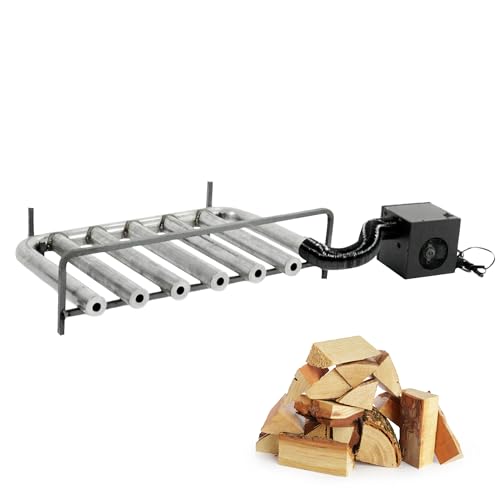
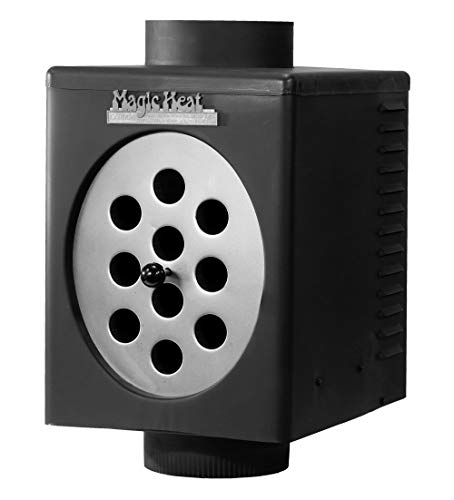
Chimney Fans for Wood Burning Fireplace
Discover how a chimney fan can solve draft problems, eliminate smoke issues, and dramatically improve the efficiency of your wood burning fireplace.
View Recommended ProductsWhy Chimney Fans Matter: A wood burning fireplace relies on proper draft to function safely and efficiently. When natural draft is insufficient, smoke can enter your home, heat is wasted, and dangerous creosote can accumulate. A chimney fan provides a mechanical solution to these common problems, ensuring your fireplace performs at its best.
What Is a Chimney Fan and How Does It Work?
A chimney fan, also known as a chimney exhaust fan or draft inducer, is a mechanical device installed at the top of your chimney. It actively pulls exhaust gases, smoke, and debris up and out of the flue, rather than relying solely on the natural buoyancy of hot air.
Wood burning fireplaces are particularly susceptible to draft issues. Factors such as a cold chimney, negative pressure inside the home, or an improperly sized flue can all prevent smoke from rising efficiently. A chimney fan solves these problems by creating a consistent, mechanical draft that operates regardless of external conditions.
When your fireplace struggles with smoke spillage or poor combustion, it's often a sign that the natural draft is inadequate. Installing a chimney fan can be a transformative upgrade, especially for older homes or fireplaces that have never performed optimally. For a broader understanding of how to diagnose and fix draft issues, explore our guide on the wood fireplace draft problem.
Key Benefits of Installing a Chimney Fan
- Eliminates Smoke Spillage: The most immediate benefit. A chimney fan ensures smoke and odors go up the chimney, not into your living space.
- Improves Combustion Efficiency: A stronger, more consistent draft provides better airflow to the fire, leading to a hotter, cleaner burn and less creosote buildup.
- Works in Adverse Conditions: Unlike natural draft, a chimney fan performs reliably even on windy days, in tightly sealed modern homes, or when the chimney is cold.
- Extends Fireplace Lifespan: By reducing smoke and creosote, a chimney fan helps protect the chimney liner and masonry from corrosive byproducts.
- Enhances Safety: Proper ventilation reduces the risk of carbon monoxide buildup in your home, a critical safety concern for any combustion appliance.
These benefits are particularly valuable for homeowners who use their fireplace as a primary heat source. If you are considering a more comprehensive upgrade to your heating system, you might also explore options like a high-efficiency wood fireplace insert, which can be paired with a chimney fan for maximum performance.
Types of Chimney Fans for Wood Burning Fireplaces
Not all chimney fans are the same. Understanding the different types will help you choose the right one for your fireplace and chimney setup.
| Type | Best For | Key Features |
|---|---|---|
| Standard Chimney Fan | Most residential wood fireplaces with standard masonry chimneys. | Mounted on top of the flue; available in various sizes; often includes a speed control. |
| High-Temperature Chimney Fan | Fireplaces that produce very hot exhaust gases, such as those burning hot fires regularly. | Constructed with heat-resistant materials; designed to withstand higher flue temperatures. |
| Direct Vent Chimney Fan | Direct vent gas fireplaces, but some models are compatible with specific wood burning setups. | Designed for sealed combustion systems; not a universal fit for all wood fireplaces. |
| Solar-Powered Chimney Fan | Eco-conscious homeowners or locations where running electrical wiring to the chimney is difficult. | Runs on solar energy; no electrical hookup required; dependent on sunlight availability. |
For most traditional wood burning fireplaces, a standard or high-temperature chimney fan is the appropriate choice. The specific model will depend on the size of your flue and the volume of smoke your fireplace produces.
How to Choose the Right Chimney Fan
Selecting the correct chimney fan is essential for optimal performance. Here are the key factors to consider:
- Flue Size and Shape: Chimney fans are sized to match the dimensions of your flue. Measure your flue's diameter or cross-section before shopping. A fan that is too small won't provide enough draft; one that is too large can be noisy and inefficient.
- Fireplace Output: A larger, more powerful fireplace that produces a lot of smoke will require a fan with a higher CFM (cubic feet per minute) rating. High-efficiency models, such as those discussed in our guide to high-efficiency wood burning fireplace inserts, may have different draft requirements than traditional open fireplaces.
- Mounting Method: Most chimney fans are designed to mount directly on top of the chimney flue. Ensure the fan you choose is compatible with your chimney's construction and cap setup.
- Power Source: Standard chimney fans require a nearby electrical connection. If running power to your chimney is impractical, consider a solar-powered model.
- Noise Level: Fans with variable speed controls allow you to operate them at lower, quieter settings when full power isn't needed. Reading reviews for noise levels is a good practice.
- Build Quality and Warranty: Chimney fans are exposed to the elements. Look for models with corrosion-resistant housings and a solid warranty. Entry-level models may have shorter warranties, while premium and high-end options often come with more comprehensive coverage.
It's also wise to consider the overall maintenance of your fireplace system. A chimney fan is one component; regular care is still required. Our wood fireplace maintenance guide provides a comprehensive routine that includes inspecting the fan, cleaning the chimney, and checking for creosote. For specific cleaning tasks, you may also find our guide on how to clean fireplace glass useful.
Installation and Maintenance Considerations
Installing a chimney fan is typically a job for a professional, especially if it involves electrical work. Here is what to expect:
- Professional Installation: A licensed chimney sweep or HVAC technician should install the fan to ensure it is properly sealed, wired, and mounted. Incorrect installation can lead to leaks or electrical hazards.
- Electrical Requirements: Most fans require a standard 110V electrical connection. If your chimney does not have a power source nearby, an electrician will need to run a line.
- Routine Maintenance: The fan should be inspected annually. Creosote and debris can accumulate on the fan blades, reducing its efficiency and creating a potential fire hazard. Cleaning should be done as part of your annual chimney sweep. You can find more details in our chimney cleaning guide.
- When to Call a Professional: If you notice unusual noises, a decrease in draft, or any signs of electrical issues, turn the fan off and call a professional. The cost of a chimney sweep and inspection is a small price for safety.
Frequently Asked Questions
Ready to Improve Your Fireplace's Performance?
Explore our recommended chimney fans and find the perfect solution for your home.
See Recommended Products