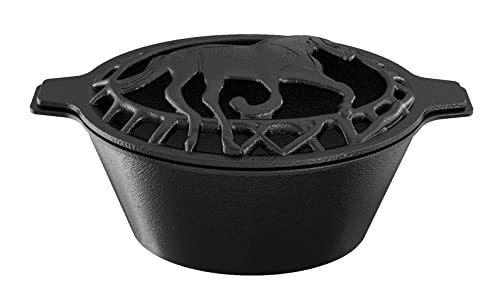
Cast Iron Kettles for Wood Burning Stoves
Discover how a cast iron kettle can transform your wood stove into a source of warm humidity, nostalgic charm, and practical hot water. Your complete guide to choosing, using, and caring for stove kettles.
Why a Cast Iron Kettle? Beyond the cozy aesthetic, a kettle on your wood stove adds moisture to dry winter air, provides hot water for tea or cleaning, and enhances the traditional feel of wood heating. This guide helps you choose the right one for your setup.
Why Add a Cast Iron Kettle to Your Wood Stove?
Wood burning stoves are prized for their efficient heat output, but that intense dry heat can leave your home feeling parched. A cast iron kettle sitting on the stovetop serves multiple purposes that go far beyond simple decoration. It acts as a natural humidifier, releasing steam that soothes dry sinuses and skin during the heating season. The gentle sound of simmering water adds a layer of ambiance that many homeowners find deeply comforting.
Beyond humidity, a cast iron kettle provides practical utility. You can have hot water ready for tea, coffee, or cooking without using electricity. In off-grid or emergency situations, this capability becomes invaluable. The thermal mass of cast iron also helps regulate temperature, releasing stored heat gradually as the fire dies down. For those who appreciate the wood fireplace maintenance routine, adding a kettle is a simple upgrade that enhances the entire experience.
If you are still exploring your heating options, our guide on types of fireplaces explained can help you understand where wood stoves fit in the broader landscape of home heating solutions.
Key Benefits of Using a Cast Iron Kettle
Natural Humidification
Releases steady steam to combat dry winter air, helping with respiratory comfort and preventing dry skin, without needing an electric humidifier.
Practical Hot Water
Provides ready-to-use hot water for beverages, cooking, cleaning, or personal care during power outages or everyday use.
Heat Retention
The thermal mass of cast iron absorbs and slowly releases heat, extending the warmth from your stove after the fire dies down.
Classic Aesthetic
Adds traditional charm and a timeless look to your wood stove setup, enhancing the cozy atmosphere of your living space.
Aromatherapy Potential
Add a few drops of essential oil or spices to the simmering water to fill your home with natural, inviting scents.
Durable Construction
Cast iron is built to last for decades with proper care, making it a worthwhile long-term investment for any wood stove owner.
Types of Cast Iron Kettles for Wood Stoves
Not all kettles are designed for the intense, dry heat of a wood burning stove. Understanding the different types helps you make an informed choice that matches your stove, your space, and your intended use. The table below outlines the main categories you will encounter.
| Kettle Type | Best For | Key Features | Quality Tier |
|---|---|---|---|
| Traditional Humidifier Kettle | Adding moisture to dry rooms | Wide base, slow simmer, often with a lid that allows steam to escape gradually | Entry-Level |
| Tea Kettle with Whistle | Boiling water for beverages | Fitted lid, spout with whistle, handle designed for safe pouring | Mid-Range |
| Dutch Oven Style Kettle | Multi-purpose cooking and humidifying | Flat bottom, heavy lid, can be used for soups or stews as well as water | Mid-Range |
| Decorative Vintage Kettle | Aesthetic appeal and light humidification | Ornate designs, antique finishes, often smaller capacity | Premium |
| Large Capacity Stock Kettle | Heating large volumes of water | Generous capacity, sturdy handle, often used in workshops or off-grid cabins | Premium |
| Enameled Cast Iron Kettle | Easy cleaning and color coordination | Porcelain enamel coating, available in various colors, resistant to rust | Luxury |
Choosing the Right Size for Your Stove
Size matters more than many people realize. A kettle that is too large can overwhelm a small stove, while one that is too small will require constant refilling. The ideal size depends on your stove's surface area, your heating habits, and how you plan to use the kettle.
Factors to Consider
Stove Top Dimensions
- Measure the usable flat surface of your stove before shopping
- Leave at least an inch of clearance on all sides for air circulation
- Consider whether you need space for other stovetop accessories
Heating Needs
- A small kettle (1-2 quarts) suits occasional humidification
- A medium kettle (2-3 quarts) works for daily use and hot water needs
- A large kettle (3+ quarts) suits off-grid living or high-demand situations
Weight and Handling
- Remember that a full cast iron kettle becomes very heavy
- Choose a size you can safely lift and pour when full
- Consider a kettle with a sturdy, well-insulated handle
For those comparing different stove accessories and their roles, our article on the combination pellet and wood burning stove discusses how different fuel types affect accessory choices.
Material and Construction Quality
Not all cast iron is created equal. The quality of the iron, the thickness of the walls, and the manufacturing process all affect how well your kettle will perform and how long it will last. Understanding these factors helps you avoid disappointment.
What to Look For
High-quality cast iron kettles feature uniform thickness, smooth interior surfaces, and a tight-fitting lid. The handle should be securely attached, ideally with rivets or heavy-duty welds rather than simple screws that can loosen over time. Look for kettles that are specifically rated for stovetop use, as some decorative pieces are not designed to withstand direct high heat.
Enameled kettles offer easier cleaning and protection against rust, but the enamel can chip if the kettle is dropped or subjected to thermal shock. Traditional seasoned cast iron requires more maintenance but is more forgiving of accidental impacts. Your choice depends on how much maintenance you are willing to perform and the aesthetic you prefer. For those who already maintain a wood stove, the routines are similar to what is described in our wood fireplace maintenance guide.
How to Use Your Cast Iron Kettle Safely
Using a kettle on a wood stove is straightforward, but a few best practices ensure safety and longevity. Always fill the kettle before placing it on a hot stove, as adding water to a hot, empty kettle can cause thermal shock and cracking. Leave some headroom for steam to escape, but do not overfill, as boiling water can spill and damage your stove's surface.
Position the kettle on the flattest, most stable part of the stovetop. Avoid placing it directly over the hottest part of the fire if you want a gentle simmer rather than a rolling boil. A trivet or heat diffuser can help regulate the temperature if your stove runs particularly hot. Never leave a kettle unattended for long periods, and always use a heat-resistant glove when handling it. For general safety practices around wood heating, see our tips on fireplace ember safety.
Caring for Your Cast Iron Kettle
Proper care extends the life of your kettle and keeps it looking its best. The approach differs slightly depending on whether your kettle is bare cast iron or enameled, but the core principles remain the same: keep it dry, prevent rust, and handle it gently.
Daily Care
After each use, empty any remaining water and dry the kettle thoroughly. Do not let water sit in the kettle overnight, as this promotes rust. For bare cast iron, a light coating of food-safe oil on the interior after drying helps maintain the seasoning. Enameled kettles should be washed with mild soap and a soft sponge, avoiding abrasive cleaners that can scratch the surface.
Long-Term Maintenance
Periodically inspect your kettle for signs of rust, cracks, or loose handles. Small rust spots on bare cast iron can be scrubbed away with steel wool and re-seasoned. Deep cracks or structural damage usually mean it is time for a replacement, as repairs are rarely reliable for high-heat applications. Store your kettle in a dry place when not in use, and consider applying a protective layer of oil if it will be stored for an extended period.
Common Mistakes to Avoid
Even experienced wood stove owners sometimes make mistakes with their kettles. Being aware of these pitfalls helps you avoid damage and get the most from your investment.
Adding Water to a Hot, Dry Kettle
Thermal shock can crack cast iron. Always add water before heating, or let the kettle cool before refilling.
Letting Water Sit Indefinitely
Standing water causes rust, even in seasoned cast iron. Empty and dry after each use.
Using Abrasive Cleaners
Harsh chemicals and scouring pads damage the surface, whether bare or enameled.
Overfilling
Boiling water can spill and damage your stove or cause burns. Leave room for steam.