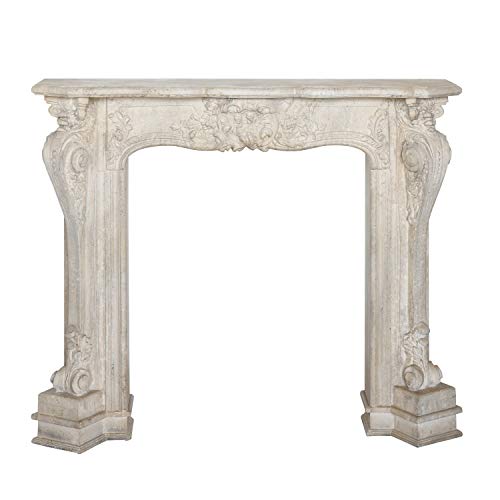
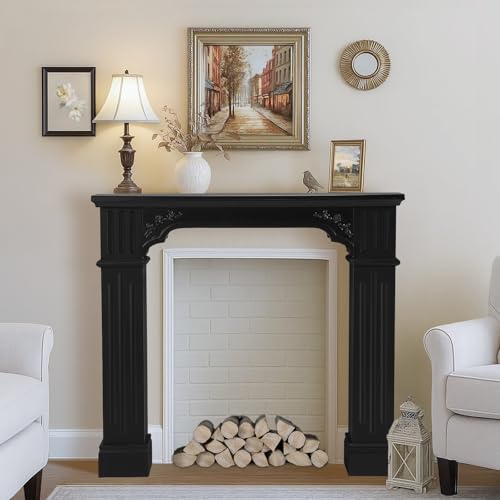
Antique Wood Fireplace Mantels and Surrounds
Discover the timeless beauty, history, and practical considerations of antique wood mantels and surrounds. Learn how to choose, restore, and install these architectural treasures in your home.
Start Your GuideWhy Choose Antique Wood? Antique wood fireplace mantels and surrounds bring unmatched character, craftsmanship, and a sense of history to any room. Each piece tells a story, often featuring hand-carved details and aged patina that modern reproductions struggle to replicate.
What Are Antique Wood Fireplace Mantels and Surrounds?
Antique wood fireplace mantels and surrounds are decorative and functional architectural elements salvaged from older homes, typically dating from the 18th to early 20th centuries. They are prized for their solid wood construction, intricate carvings, and historical significance. A surround is the framework immediately around the firebox, while the mantel is the shelf and supporting structure above. In antique pieces, these are often integrated into a single unit.
These pieces were often made from dense hardwoods like oak, mahogany, and walnut, which have developed a rich patina over time. Whether you are restoring a period property or adding character to a modern home, an antique mantel can serve as a stunning focal point. For those considering a larger renovation, our guide on fireplace buying provides a solid foundation for understanding the broader market.
Popular Antique Wood Mantel Styles
Antique mantels come in a variety of styles, each reflecting the design trends of its era. Understanding these styles can help you choose a piece that complements your home's architecture.
Georgian & Colonial
Characterized by clean lines, symmetry, and subtle carving. Often made of pine or oak, these mantels are understated yet elegant, fitting well in traditional and transitional interiors.
Victorian & Edwardian
Ornate and heavily carved, featuring columns, scrolls, and floral motifs. Mahogany and walnut are common. These mantels make a bold statement and suit period homes.
Arts & Crafts / Mission
Emphasizing handcrafted quality, straight lines, and natural wood finishes. Oak is the dominant wood. These pieces are sturdy and align with minimalist and craftsman aesthetics.
If you prefer a more streamlined look, you might also explore contemporary fireplace mantels and surrounds to compare styles. For those interested in specific historical designs, our article on mission style fireplace mantels and surrounds offers deeper insights.
Common Woods Used in Antique Mantels
The wood species used in antique mantels significantly impacts their appearance, durability, and value. Here are the most common types you will encounter:
| Wood Type | Characteristics | Common in Styles |
|---|---|---|
| Oak | Dense, durable, prominent grain. Takes carving well. | Georgian, Arts & Crafts, Mission |
| Mahogany | Rich reddish-brown, fine grain, excellent for intricate carvings. | Victorian, Edwardian, Georgian |
| Walnut | Dark, chocolate-brown, straight grain, strong and stable. | Victorian, Edwardian |
| Pine | Softer wood, often painted. Light color, knots common. | Colonial, Farmhouse, Country |
| Cherry | Warm, reddish-brown, fine grain, ages beautifully. | Colonial, Federal |
When selecting a piece, consider how the wood type will interact with your existing decor. A dark walnut mantel can anchor a room, while a painted pine piece can be a versatile canvas for a DIY fireplace makeover.
How to Choose the Right Antique Mantel for Your Home
Selecting an antique wood fireplace mantel and surround requires careful consideration of both aesthetics and practical factors. Follow these steps to make an informed decision.
1. Measure Your Space
Before you fall in love with a piece, measure the width, height, and depth of your fireplace opening and the surrounding wall. Antique mantels are not one-size-fits-all. Ensure the surround will fit around your firebox and that the mantel shelf has adequate clearance.
2. Assess Condition
Check for structural integrity, woodworm, rot, and missing pieces. Some wear is expected, but major damage may require costly restoration. Decide if you want a piece that is ready to install or a restoration project.
3. Consider Your Style
Match the mantel's style to your home's architecture. An ornate Victorian piece may look out of place in a minimalist modern home, while a simple Georgian design can bridge traditional and contemporary looks.
4. Think About Finish
Do you prefer the natural patina of aged wood, or will you paint or refinish it? Painted antique mantels can be a great way to add a pop of color, but irreversible changes may affect value. For more ideas, see our guide on DIY white fireplace transformations.
If you are planning a larger remodel, you might also want to review our fireplace remodeling ideas to see how an antique mantel can fit into a broader design plan.
Restoration and Care for Antique Wood Mantels
Restoring an antique mantel can be a rewarding project, but it requires patience and care. The goal is often to preserve the original character while ensuring the piece is safe and functional.
Cleaning
Start with a gentle cleaning using a soft cloth and mild wood soap. Avoid harsh chemicals that can strip the finish or damage the wood. For painted surfaces, use a damp cloth and mild detergent.
Repairing
Address structural issues first. Wood glue and clamps can fix loose joints. For missing carvings or veneer, consult a professional restorer. Replacing damaged sections with reclaimed wood of a similar age and species is ideal.
Finishing
If the original finish is intact, conserve it. If you must refinish, use traditional shellac or wax to maintain an authentic look. For a more durable finish, a wipe-on polyurethane can be used, but test on a hidden area first.
Regular maintenance includes dusting and checking for signs of pests. If your mantel is part of a working fireplace, ensure it is protected from excessive heat. A fireplace screen or glass doors can help. For a deeper dive into maintaining wood elements, our wood fireplace maintenance guide is a valuable resource.
Installation Tips for Antique Mantels and Surrounds
Installing an antique mantel is different from fitting a modern, standardized piece. Here are key considerations to ensure a successful installation.
Clearances and Safety
Always adhere to local building codes regarding clearance between the firebox and combustible materials. Antique wood can be more vulnerable to heat. If you are installing a gas or electric insert, check the manufacturer's requirements. Our articles on gas fireplace installation requirements and electric fireplace installation provide detailed guidance.
Adapting the Surround
If the antique surround is slightly too small, a professional carpenter may be able to modify it discreetly. If it's too large, you can build a filler frame or use a decorative panel. For a seamless look, consider tiling around the firebox. See DIY fireplace tile for inspiration.
Securing the Mantel
Antique mantels can be heavy. Ensure it is securely anchored to the wall or fireplace structure. Use appropriate brackets and fasteners. For a freestanding look, you might consider a free standing electric fireplace with mantel as an alternative.
Professional Help
If you are unsure about installation, hiring a professional is wise. They can ensure the mantel is safe and properly fitted. For more complex projects, refer to our guide on DIY vs professional fireplace installation.
Pairing Antique Mantels with Different Fireplace Types
An antique wood mantel can work with a variety of fireplace types, but the combination requires thoughtful planning.
With Wood Burning Fireplaces
The classic pairing. Ensure the wood mantel is positioned at a safe distance from the firebox. A wood fireplace draft problem can cause smoke damage, so proper ventilation is key.
With Gas Fireplaces
Gas fireplaces produce less soot but still generate heat. If converting an existing wood fireplace, our guide on converting wood burning fireplace to gas inserts can be helpful. Always maintain clearances.
With Electric Fireplaces
Electric inserts are a great way to enjoy the look of a fireplace without a chimney. You can fit an electric fireplace insert for real fireplace into an antique surround. The lack of real flame reduces heat risks, but check the heater's clearance requirements.
Where to Find Antique Wood Mantels and Surrounds
Sourcing an authentic antique mantel can be an adventure. Here are the best places to look:
- Architectural Salvage Yards: These are treasure troves for antique mantels, often with a wide selection and knowledgeable staff.
- Antique Shops and Flea Markets: You can find unique pieces, but be prepared to assess condition carefully.
- Online Marketplaces: Websites specializing in antiques and architectural elements offer a broad reach. Always ask for detailed photos and measurements.
- Estate Sales and Auctions: A great way to find high-quality pieces with provenance.
- Reclamation Centers: Similar to salvage yards, these often focus on sustainable reuse.
When buying online, be sure to clarify shipping and return policies. For those interested in a more modern approach, our article on contemporary fireplace mantels and surrounds may provide contrast.
Frequently Asked Questions
Ready to Find Your Antique Mantel?
Explore our recommended selection of fireplace mantels and surrounds to find the perfect piece for your home.
View Recommendations