Antique Cast Iron Fireplace Mantels
Discover the timeless elegance, enduring craftsmanship, and historical charm of cast iron mantels to create a stunning focal point in your home.
Antique cast iron fireplace mantels are more than just functional home fixtures; they are enduring pieces of history and art. Known for their intricate details, remarkable durability, and the ability to anchor a room with a sense of grandeur, these mantels offer a unique aesthetic that modern reproductions often struggle to replicate. Whether you are restoring a period home or looking to add a touch of vintage character to a contemporary space, understanding the world of antique cast iron mantels is the first step toward making an informed and rewarding purchase.
This guide will walk you through the history, styles, and considerations for selecting, restoring, and installing an antique cast iron mantel, helping you make a confident decision for your home renovation or design project. For those new to fireplace terminology, our beginner's guide to fireplaces provides a great foundation.
Why Choose an Antique Cast Iron Mantel?
Opting for an antique piece over a modern replica comes with a distinct set of advantages that appeal to both design enthusiasts and homeowners alike.
- Unmatched Craftsmanship: Antique mantels were often handcrafted or produced in smaller batches, featuring details and a level of artistry rarely seen in mass-produced items today. The cast iron is typically thicker and more robust.
- Historical Character: Each mantel carries a story. Its patina, minor imperfections, and design are authentic reflections of the era it was created in, adding a layer of depth and authenticity to your home's interior.
- Durability: Cast iron is incredibly strong and resistant to wear. A well-maintained antique mantel can easily last for generations, making it a sustainable and long-term investment.
- Unique Focal Point: An antique mantel is a conversation starter. It instantly elevates the design of a room, serving as a unique centerpiece that cannot be replicated.
Common Styles and Periods of Antique Mantels
The design of a cast iron mantel is a strong indicator of its origin. Here are some of the most sought-after styles:
Victorian (c. 1837–1901)
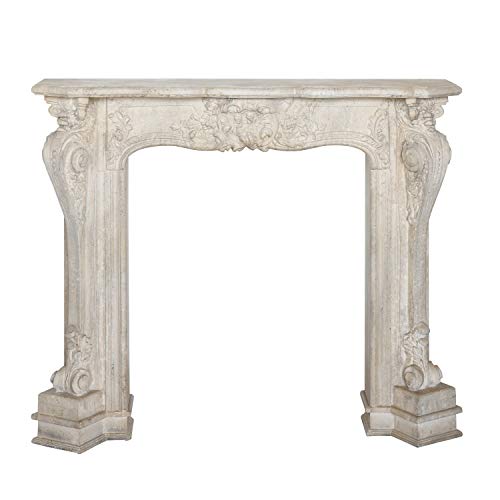
Victorian mantels are characterized by elaborate ornamentation, often featuring floral motifs, scrollwork, and geometric patterns. They are typically grand and ornate, designed to be a statement piece. You might also be interested in our article on antique Victorian fireplace mantels for a deeper dive into this specific style.
Edwardian (c. 1901–1910)
Edwardian designs are a transition from the heavy ornamentation of the Victorian era to a cleaner, more refined look. While still elegant, they often feature simpler lines, lighter proportions, and more subtle decorative details.
Art Nouveau (c. 1890–1910)
Influenced by natural forms, Art Nouveau mantels are known for their flowing, organic curves and asymmetrical designs. They often feature motifs inspired by plants, flowers, and vines, creating a graceful and elegant appearance.
Arts and Crafts (c. 1880–1920)
This style emphasizes handcrafted quality and simplicity. Arts and Crafts mantels often have straight, sturdy lines, exposed joinery, and a focus on the natural beauty of materials. Decoration is typically minimal and geometric.
How to Evaluate an Antique Cast Iron Mantel
Before you buy, it's crucial to inspect the piece carefully. Here’s what to look for:
- Condition of the Cast Iron: Check for cracks, chips, or significant rust. Surface rust can often be treated, but deep cracks or structural damage can be difficult and costly to repair.
- Completeness: Does the mantel include all its original parts? Some mantels come with a matching insert (the decorative cast iron piece that surrounds the firebox) or a summer cover. Missing pieces can be hard to replace.
- Original Finish: Is the original paint or black lead finish intact? Stripping and repainting can diminish the value and character. A well-preserved finish is highly desirable.
- Stability: Ensure the mantel sits flat and doesn't wobble. Check all joints and connections for tightness.
- Provenance: If possible, learn about the mantel's history. A known maker or a documented past can add to its appeal and value.
Restoration and Care for Your Antique Mantel
Restoring an antique cast iron mantel can be a rewarding DIY project. The approach depends on its condition.
Cleaning and Rust Removal
For light surface rust, use a wire brush or fine-grade steel wool to gently remove it. For more stubborn rust, a chemical rust remover can be used, but always test it on a small, inconspicuous area first. After cleaning, wipe the mantel down with a damp cloth.
Repainting and Refinishing
If the original finish is too far gone, repainting is an option. Use a high-quality, heat-resistant paint. A classic matte black is a timeless choice. For a more authentic look, you can use a black lead substitute, but this requires careful application. If you are painting other parts of your fireplace, our guide on high-heat black paint for fireplaces offers useful tips.
When planning a larger renovation, it's wise to understand the potential costs involved. Our article on the fireplace cost breakdown can provide a helpful overview.
Installation Considerations
Installing an antique cast iron mantel is similar to installing a modern one, but with a few extra considerations.
- Weight: Cast iron is extremely heavy. Ensure your wall or fireplace surround can support the weight. You may need to reinforce the structure or mount it into masonry.
- Compatibility: Check that the mantel's dimensions are compatible with your existing firebox and hearth. It needs to sit flush against the wall and surround the firebox opening properly.
- Professional Help: Due to the weight and potential for damage, it's often best to hire a professional for installation. For a broader overview of the process, see our fireplace installation guide.
Where to Find Antique Cast Iron Mantels
Finding the perfect antique mantel can be a hunt. Here are the best places to look:
- Architectural Salvage Yards: These are treasure troves for antique building materials. You can often find a wide variety of mantels in different styles and conditions.
- Antique Shops and Flea Markets: Local antique dealers and flea markets are great for finding unique pieces. It's a good idea to visit regularly, as inventory changes frequently.
- Online Marketplaces: Websites specializing in antiques and even general marketplaces can be good sources, but you won't be able to inspect the item in person. Always ask for detailed photos and measurements.
- Estate Sales: Estate sales often include original architectural features from older homes, providing a chance to find a piece with a local history.
Ready to Find Your Perfect Antique Mantel?
Explore our curated selection of recommended products to start your search.
View RecommendationsFrequently Asked Questions
Are antique cast iron mantels safe to use?
Yes, they are safe to use as long as they are in good structural condition. Inspect for cracks that could compromise their integrity. The cast iron itself is fire-resistant, but you should ensure the surrounding materials (like a wood surround) meet modern safety clearances.
Can I paint an antique cast iron mantel a different color?
Yes, you can. While black is traditional, many homeowners choose to paint them in other colors to match their decor. Use a high-heat paint designed for metal and ensure the surface is properly cleaned and primed first.
How do I know if a mantel is truly antique?
Look for signs of age such as a patina, minor imperfections, and construction techniques like visible screws or bolts that are not modern. Researching the design style and looking for maker's marks can also help. A magnet test can distinguish cast iron from modern alloys.
What is the difference between a cast iron mantel and a surround?
The mantel is the entire frame, including the legs, shelf, and often the inner decorative panels. The surround typically refers to the decorative cast iron piece that fits directly around the firebox opening. Some mantels come as a complete set with a matching surround.