Wood Stove Insert Installation Cost: A Complete Breakdown
Understand the true financial commitment of upgrading your fireplace with a wood stove insert. We analyze unit tiers, labor, chimney liners, and hidden expenses so you can budget with confidence.
EXPLORE COSTSPlanning Your Upgrade: Installing a wood stove insert is a significant home improvement project that blends aesthetic appeal with functional heating. Understanding the cost structure—from the unit itself to the mandatory chimney liner and professional labor—is the first step toward a successful installation.
Why Install a Wood Stove Insert?
A wood stove insert is a highly efficient heating appliance designed to fit into your existing fireplace. Unlike a traditional open fireplace, which loses most of its heat up the chimney, an insert is a closed system that radiates heat into the room. This upgrade can significantly reduce heating bills and improve the comfort of your home.
However, the wood stove insert installation cost is not just the price of the unit. It involves several critical components, including a stainless steel chimney liner, insulation, and professional labor. This guide breaks down every element of the cost, helping you understand where your investment goes and how to choose the right tier for your needs.
For homeowners considering this transition, it's also worth exploring the broader context of fireplace buying guide principles and comparing alternatives like a wood-burning stove fireplace insert. If you're still deciding on the right fuel type, our guide on which fireplace is right for your home can provide clarity.
Total Cost Overview: What to Expect
The total cost of installing a wood stove insert is a sum of several parts. The two largest variables are the unit itself and the installation labor, which is heavily influenced by the chimney liner required. Below, we break down the cost into two primary categories: the unit and the installation.
Important: This guide uses tier descriptors (entry-level, mid-range, premium) instead of specific prices. This ensures the information remains accurate and useful regardless of market fluctuations. For exact pricing on specific products, please refer to the Recommended Products section below.
1. The Wood Stove Insert Unit Cost
The insert itself is the core of your investment. Its cost is determined by size, efficiency rating, construction materials, and brand reputation. We can categorize these units into three distinct tiers.
Basic & Functional
These units are typically smaller, made from steel with basic firebrick lining, and offer standard efficiency ratings. They are ideal for supplemental heating in smaller spaces or for homeowners prioritizing a lower upfront investment. They often lack advanced features like catalytic combustors or sophisticated air controls.
The Balanced Choice
Mid-range inserts offer a significant step up in efficiency, often featuring secondary burn tubes or a basic catalytic system. They are constructed with heavier steel or cast iron components, providing better heat retention and a longer lifespan. This tier represents the best balance of performance and investment for most homeowners.
High-Efficiency & Features
Premium inserts are the top-tier choice, featuring advanced catalytic combustors or hybrid systems that deliver exceptionally high efficiency and low emissions. They often boast large viewing areas, cast iron doors, and sophisticated thermostatic controls. These units are built for whole-home heating and long-term durability.
When selecting a unit, consider its heating capacity and BTU output to ensure it matches your home's square footage. A unit that is too small will struggle to heat your space, while one that is too large may cause you to overfire, reducing efficiency and safety.
2. Professional Installation & Labor
Installation is the most complex and variable part of the project. A professional installer is highly recommended for safety and to ensure your warranty remains valid. The labor cost is primarily driven by the chimney liner and the complexity of the installation.
| Component | Description | Typical Cost Tier |
|---|---|---|
| Chimney Liner | A stainless steel liner is mandatory. It must be sized to the insert's flue collar and insulated to prevent creosote buildup and ensure proper draft. This is often the largest single installation expense. | Mid to Premium (depending on length and insulation) |
| Labor | Includes removing the old damper, fitting the insert, running the liner, connecting the flue, and sealing the chimney. The complexity of your chimney (e.g., a straight run vs. an offset) affects the time required. | Entry to Mid-Range |
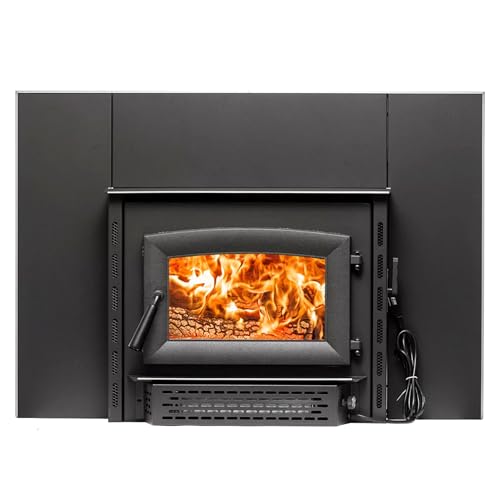
| Surround Panels & Trim | These are the decorative panels that cover the gap between the insert and the fireplace opening. They are essential for a finished look and are usually sold separately. | Entry-Level |
| Permits & Inspection | Many municipalities require a permit for a solid-fuel appliance installation. A post-installation inspection may also be required. | Entry-Level (variable by location) |
For a more detailed understanding of the installation process, refer to our fireplace installation guide. If you're hiring a professional, you might want to search for wood stove insert installation near me to find local experts.
Hidden Costs to Budget For
Beyond the unit and labor, several other expenses can arise. Being aware of these helps you create a more accurate budget.
- Hearth Pad or Floor Protection: Building codes require a non-combustible hearth pad in front of and beneath the insert to protect your flooring from embers and heat.
- Chimney Cap: A new chimney cap is often recommended to prevent water, animals, and debris from entering the flue.
- Blower Fan: While some inserts come with a blower, many do not. A blower is a highly recommended addition to circulate heat effectively. You can learn more about fireplace blower fans.
- Mantel & Surround Modifications: If your existing mantel is too close to the insert, you may need to modify or replace it to meet clearance requirements.
- Chimney Repair: An inspection might reveal cracks in the chimney crown or missing bricks that must be repaired before installation.
Long-Term Cost of Ownership
The financial commitment doesn't end with installation. Ongoing costs include the fuel (seasoned firewood), regular maintenance, and occasional repairs. However, these are often offset by the savings on your primary heating bill.
To understand how an insert compares to other heating options, you might find our articles on which fireplace saves money long-term and hidden costs of owning a fireplace useful. Proper maintenance is key to longevity; refer to our wood fireplace maintenance guide and fireplace maintenance checklist for routines that protect your investment.
Frequently Asked Questions
Do I really need a chimney liner for a wood stove insert?
Yes, absolutely. A stainless steel chimney liner is a critical safety component. It contains the flue gases, protects your chimney from heat and creosote, and ensures proper draft for the insert to function efficiently. Installation without a liner is a serious fire hazard and will void your insert's warranty.
Can I install a wood stove insert myself to save on labor costs?
While it is technically possible for a highly skilled DIYer, it is strongly discouraged for most homeowners. The installation involves working on a roof, handling a heavy insert, and correctly sizing and installing a chimney liner—all tasks with significant safety risks. Incorrect installation can lead to house fires or carbon monoxide poisoning. Professional installation is always recommended. For a comparison, see our guide on DIY vs professional fireplace installation.
How long does a typical installation take?
A standard installation by a professional team usually takes between 4 to 8 hours. This can extend to a full day or more if the chimney requires significant cleaning, the liner path is complex, or unexpected repairs are needed.
Will a wood stove insert increase my home's value?
A high-efficiency wood stove insert is an attractive feature for many homebuyers, especially in regions with cold winters. It can be a strong selling point and may contribute to an increase in your home's value, though the exact amount depends on your local market. You can read more in our article on does a fireplace add value to your home.
Making a Confident Decision
The wood stove insert installation cost is a multi-faceted investment. By understanding the tiers of units, the critical role of the chimney liner, and the potential for hidden costs, you are now equipped to make an informed decision. Remember to obtain multiple quotes from certified professionals, ask about their experience with your specific chimney type, and prioritize safety and efficiency over the lowest bid.
For those who are still exploring their options, a wood stove insert is just one of many possibilities. You might also consider a wood-burning stove insert for fireplace with blower for enhanced heat distribution, or even a zero-clearance wood burning fireplace insert for more flexible installation locations.
Once installed, maintaining your new insert is essential. Our guides on how to clean fireplace glass and chimney cleaning will help you keep it in top condition.