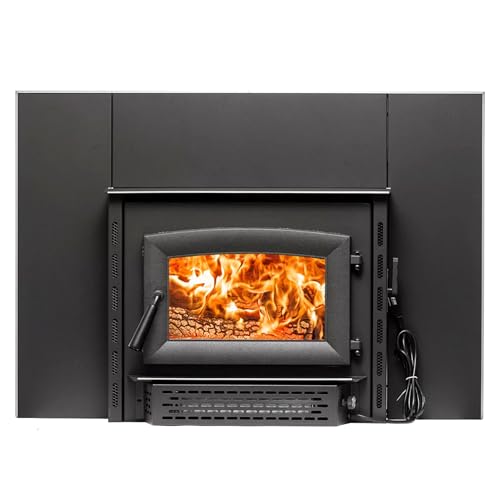
Wood Burning Fireplace Insert For Sale
Transform your existing masonry or prefab fireplace into a high-efficiency heating powerhouse. Explore our comprehensive guide to selecting the right wood insert for your home.
Why Choose a Wood Burning Insert? A wood burning fireplace insert is a metal firebox that fits into your existing fireplace. It dramatically improves efficiency from a traditional open fireplace's 10% to as high as 80%, allowing you to heat your home effectively while enjoying the ambiance of a real wood fire.
Why a Wood Burning Insert is a Smart Upgrade
If you have a traditional open fireplace, you already know the charm it brings. However, you may also know the frustration of watching most of your heat escape up the chimney. A wood burning fireplace insert for sale is the modern solution to this age-old problem. Unlike a simple hearth, an insert is a closed combustion system. It sits inside your existing firebox and uses a glass door to control airflow, which allows for a much more complete and efficient burn.
This efficiency translates directly into more heat for your living space and less wood consumed. For those looking to reduce reliance on central heating, a high-efficiency insert is a game-changer. It's a significant upgrade for any home, especially if you're considering a broader fireplace buying guide to understand all your options. Many homeowners find that after installation, they can heat a substantial portion of their home, making the initial investment worthwhile. You can learn more about this topic in our article on whether a fireplace can heat an entire house.
Key Features to Look For in a Wood Insert
Shopping for a wood insert involves more than just finding a box that fits. Understanding the technology and features will help you choose a model that performs well and lasts for years.
-
Efficiency Ratings (EPA Certification)
Always look for an EPA-certified insert. This certification ensures the unit meets strict emission standards, meaning it burns cleaner and more efficiently. High-efficiency models are the gold standard, extracting the maximum heat from every log and producing significantly less creosote, which is a major cause of chimney fires. This is a key factor in reducing your long-term heating costs, a topic we explore in our guide on hidden costs of owning a fireplace.
-
Heating Capacity (BTU Output)
Inserts are rated by their heat output, measured in British Thermal Units (BTU). The right size for you depends on the square footage of the area you want to heat and your climate. Sizing an insert is similar to sizing a traditional fireplace; our guide on heating capacity explained (BTU guide) provides a detailed formula to help you calculate your needs.
-
Blower Fan
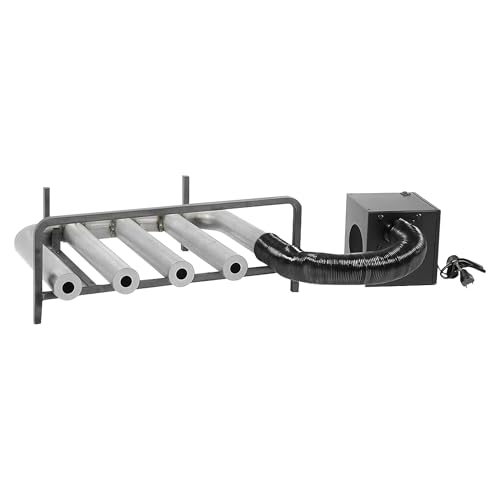
Many high-efficiency inserts include a blower fan. This fan circulates air around the hot firebox and blows it into the room, dramatically improving heat distribution. Without a blower, much of the heat can remain trapped near the unit. If you're looking at a model that doesn't include one, check if a fireplace blower fan can be added later or purchase a model that includes one.
-
Firebox Size and Log Length
Consider the size of the firebox. A larger firebox can accommodate longer logs (e.g., 20-24 inches vs. 16 inches), meaning less frequent reloading. However, it also requires more wood to fill. The physical dimensions of the insert are critical, as it must fit your existing fireplace opening with proper clearances.
-
Construction Material and Quality
Look for an insert constructed from heavy-gauge steel or cast iron. Cast iron absorbs heat and radiates it slowly, while plate steel heats up faster. The quality of construction often separates an entry-level model from a premium, high-end unit, affecting durability and heat retention.
Installation and Venting Considerations
Installing a wood burning insert is not a simple DIY job. It requires a professional to ensure it is done safely and up to code. The insert must be connected to a stainless steel chimney liner that runs the full length of your existing chimney. This liner serves two vital purposes: it safely vents smoke and gases outside, and it helps the insert draw properly, preventing smoke from entering your room. A poor draft is a common issue, and our article on wood fireplace draft problems explains why a proper liner is non-negotiable. For a complete overview of the process, refer to our fireplace installation guide.
Comparing Wood Inserts to Other Options
While a wood insert is excellent, it's helpful to understand how it compares to other heating solutions. The primary alternative is a gas insert. If you're weighing the pros and cons, our comparison article on electric vs gas vs wood fireplace comparison can provide clarity. You might also consider a pellet insert, which offers automated fueling but requires electricity. For those who want the look of a wood fire without the work, a high-end electric insert might be a consideration, as discussed in our guide on the best electric fireplace insert for existing fireplace.
Maintenance for Longevity and Safety
Owning a wood burning insert requires a commitment to regular maintenance. Annual inspections by a certified chimney sweep are essential to check for creosote buildup and ensure the liner is in good condition. This is a critical safety step, and our guide on chimney cleaning covers what you need to know. Additionally, you'll need to dispose of ash properly, as outlined in our ash removal & disposal guide. Proper maintenance is not just about performance; it's about protecting your home and family.
Frequently Asked Questions (FAQ)
Can I install a wood burning insert myself?
While some homeowners with extensive experience might attempt it, professional installation is highly recommended. It involves modifying the fireplace, installing a full-length chimney liner, and ensuring proper clearances to combustibles, all of which are critical for safety and insurance compliance.
How much maintenance does a wood insert require?
You should have your chimney and insert inspected and cleaned annually. You'll also need to remove ash regularly. Compared to a traditional open fireplace, a high-efficiency insert produces far less creosote, making maintenance slightly easier.
What is the lifespan of a quality wood burning insert?
A well-made, cast-iron or steel insert from a reputable manufacturer can last 20 years or more with proper care and maintenance. The key is to perform regular inspections and replace any worn gaskets or parts as needed. This longevity is an important factor when considering the long-term cost and which fireplace saves money.
Can a wood insert be installed in a prefabricated fireplace?
Yes, but it depends on the manufacturer's specifications. You need a "zero-clearance" insert that is specifically rated for installation in a factory-built fireplace. You can learn more about this in our article on a fireplace insert for prefab fireplace.