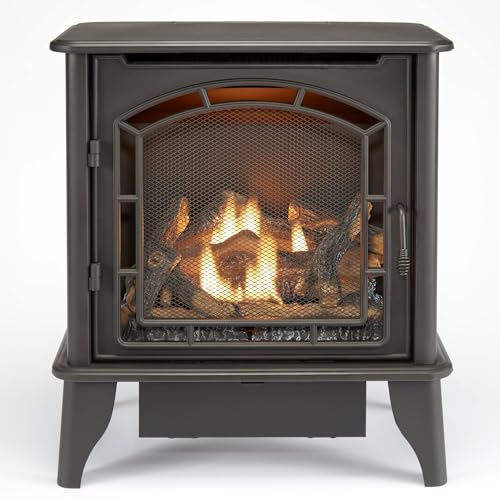
Ventless Propane Fireplace with Blower: The Ultimate Guide
Everything you need to know about choosing, installing, and maintaining a ventless propane fireplace with a blower for efficient, flexible home heating.
A ventless propane fireplace with blower combines the convenience of a gas fireplace with the heating efficiency of a forced-air system. Unlike traditional wood-burning fireplaces, these units do not require a chimney or vent, making them incredibly versatile for renovations, apartments, and homes without existing flues. When paired with a blower, they distribute heat more evenly and quickly, turning a decorative flame into a practical supplemental heat source.
What Is a Ventless Propane Fireplace with Blower?
A ventless (or vent-free) propane fireplace is designed to burn propane gas and release all combustion byproducts directly into the room. This is possible because propane burns very cleanly, producing mostly carbon dioxide and water vapor. A blower is an integrated fan that pulls cool air from the room, passes it over the heated firebox, and pushes warm air back into the space. This forced-air circulation dramatically improves heat distribution, making the fireplace more effective for zone heating. To understand how heating capacity is measured, see our guide on fireplace heating capacity and BTU.
Key Benefits of a Ventless Propane Fireplace with Blower
- No Venting Required: Ideal for homes without a chimney or where installing one is impractical. This makes them a great choice for apartment fireplace installation and built-in or freestanding setups.
- High Efficiency: Because no heat escapes through a chimney, nearly all the heat stays in the room. This can make them one of the most energy-efficient fireplace types available.
- Even Heat Distribution: The blower circulates warm air, preventing hot and cold spots. This is especially useful in open-concept spaces, as discussed in our article on fireplace sizing for open concept rooms.
- Flexible Installation: Can be installed in almost any room, including bedrooms and basements, with minimal construction. Learn more in our fireplace installation guide.
- Convenient Operation: Many models offer thermostats and remote controls for easy temperature management. See our guide to fireplace thermostats for details.
How a Ventless Propane Fireplace with Blower Works
Propane is supplied to the fireplace's burner, where it is ignited to create a realistic flame. The combustion process generates heat, which warms the firebox and the surrounding air. The blower, usually located at the bottom or side of the unit, draws in cool air from the room, passes it over the hot firebox surfaces, and then releases the warmed air back into the room. This cycle repeats continuously, raising the room's temperature efficiently. For safety and maintenance, it's important to follow the manufacturer's guidelines and our gas fireplace maintenance tips.
Safety and Ventilation Considerations
While ventless fireplaces are designed to be safe, they do consume oxygen and produce moisture. It is crucial to follow the manufacturer's instructions regarding room size and ventilation. Many jurisdictions require a certain amount of cubic feet per BTU, and some may require an oxygen depletion sensor (ODS) pilot system. Always ensure your home has working carbon monoxide detectors. For a deeper understanding of safety, review our articles on carbon monoxide signs from fireplaces and fireplace ventilation requirements. If you notice any issues, consult our fireplace troubleshooting section.
How to Choose the Right Ventless Propane Fireplace with Blower
When selecting a model, consider the following factors:
- Heating Capacity: Match the BTU output to your room size. Our guide on how to size a fireplace can help.
- Blower Features: Look for variable speed blowers and thermostatic control. Learn more about fireplace blower fans.
- Style and Design: Choose from a variety of styles, from contemporary to freestanding ventless gas fireplaces with blower.
- Safety Certifications: Ensure the unit is certified by a recognized testing agency.
- Installation Requirements: Check local codes and the unit's clearances. Our article on fireplace permit requirements provides general guidance.
- Maintenance: Regular cleaning of the blower and burner is essential. See gas fireplace maintenance for tips.
Installation Overview
Installing a ventless propane fireplace with blower is generally less complex than a vented unit, but it still requires careful planning. You'll need a propane source, either from a tank or a natural gas line (with a conversion kit). Electrical power is required for the blower and ignition system. Many homeowners choose professional installation to ensure safety and compliance. For a step-by-step overview, see our installation guide, and for DIY options, check DIY vs professional installation.
Maintenance Tips for Longevity
To keep your ventless propane fireplace with blower running efficiently and safely, follow these maintenance practices:
- Clean the blower and vents regularly to prevent dust buildup.
- Inspect the burner and pilot assembly annually. Refer to our gas fireplace inspection guide.
- Check for any signs of soot or unusual odors. If you notice a gas smell, turn off the unit and call a professional.
- Test carbon monoxide detectors monthly.
- Follow a seasonal maintenance schedule, as outlined in our seasonal fireplace checklist.
Common Issues and Troubleshooting
Like any appliance, ventless propane fireplaces can experience issues. Common problems include the pilot light going out, weak flames, or blower noise. For solutions, consult our detailed troubleshooting guides: pilot light keeps going out, weak flame on gas fireplace, and fireplace blower fan not working. If you encounter a problem you can't resolve, contact a qualified technician.
Cost and Efficiency Considerations
When evaluating a ventless propane fireplace with blower, consider both the initial investment and ongoing operating costs. While the unit itself may be an entry-level or premium model, the efficiency of ventless design often leads to lower long-term energy costs compared to vented alternatives. For a broader perspective, read our articles on electric vs gas running costs and which fireplace saves money long-term. You can also explore hidden costs of owning a fireplace.
Final Thoughts
A ventless propane fireplace with blower is an excellent choice for homeowners seeking a flexible, efficient, and convenient heating solution. By understanding how they work, prioritizing safety, and choosing the right model for your space, you can enjoy the warmth and ambiance of a real flame without the need for a chimney. For more guidance, explore our fireplace buying guide and fireplace FAQ.