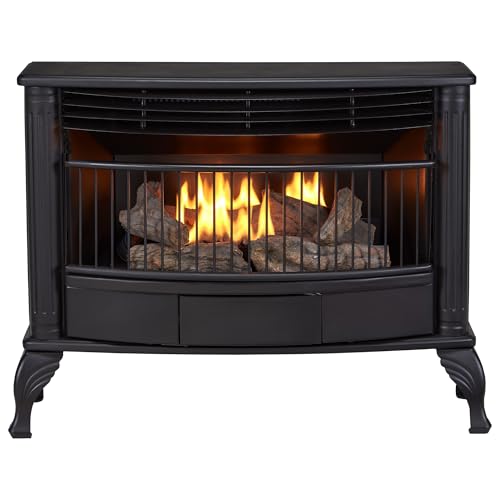
Ventless Natural Gas Heaters with Thermostat and Blower
Discover how to choose the right ventless natural gas heater with a built-in thermostat and blower for efficient, controllable, and comfortable indoor heating.
Start Your ResearchWhy This Guide Matters: Ventless natural gas heaters with thermostat and blower combine convenience, energy efficiency, and precise temperature control. This guide will help you understand their features, safety considerations, and how to select the best model for your living space.
What Are Ventless Natural Gas Heaters with Thermostat and Blower?
Ventless natural gas heaters are designed to operate without a chimney or external vent, making them highly versatile for installation in homes where traditional venting is impractical. When equipped with a thermostat and blower, these heaters offer two key advantages: precise temperature regulation and improved heat distribution.
The thermostat allows you to set a desired room temperature, and the heater will cycle on and off automatically to maintain it. The blower, on the other hand, actively circulates warm air throughout the room, ensuring faster and more even heating compared to radiant-only models. This combination makes them an excellent choice for supplemental heating in living rooms, basements, and open-concept spaces.
Key Features Explained
Thermostat Control
A built-in thermostat transforms a simple heater into a smart heating appliance. You can set your desired temperature, and the unit will automatically maintain it, improving comfort and reducing energy waste. Some models offer programmable or remote-controlled thermostats for added convenience.
Blower Function
The blower is a fan that pushes heated air into the room. This is especially important for ventless heaters, as it helps distribute warmth more quickly and evenly. Models with a blower are ideal for larger rooms where radiant heat alone may not be sufficient.
Ventless Operation
Ventless heaters do not require a chimney or flue. They are designed to burn natural gas cleanly, producing very low levels of emissions. However, they must be used in well-ventilated spaces and should not be installed in bedrooms or bathrooms in some jurisdictions. Always check local codes.
Heating Capacity
Ventless natural gas heaters are typically rated in BTUs. A model with a higher BTU output can heat a larger space. For guidance on sizing, you can refer to our Heating Capacity Explained (BTU Guide).
Benefits and Considerations
Ventless natural gas heaters with thermostat and blower offer several advantages, but they also come with specific considerations. Understanding both sides will help you make an informed decision.
| Benefits | Considerations |
|---|---|
| No chimney or venting required, simplifying installation. | Requires adequate indoor air quality and ventilation; not suitable for all rooms. |
| Thermostat provides precise temperature control and energy savings. | Some local building codes restrict or prohibit ventless heaters in certain rooms. |
| Blower improves heat distribution for faster, more even warming. | Blower operation may produce some noise, though modern models are quieter. |
| Highly efficient, as nearly all combustion heat is released into the room. | Regular maintenance is essential to ensure safe and efficient operation. |
| Can be used as a supplemental or primary heat source in some cases. | May produce some humidity, which can be beneficial or undesirable depending on climate. |
For a broader comparison of heating options, explore our guide on Most Energy-Efficient Fireplace Types.
How to Choose the Right Ventless Natural Gas Heater
Selecting the right model involves balancing room size, heating needs, and features. Here’s a step-by-step approach:
- Determine Room Size: Measure the square footage of the space you intend to heat. As a rule of thumb, you need about 20 BTUs per square foot. For a more detailed calculation, see our How to Size a Fireplace guide.
- Decide on Thermostat Type: Manual thermostats are entry-level and budget-friendly, while digital or programmable thermostats offer more precision and are common in mid-range and premium models. Smart Wi-Fi controllers are available on top-tier units.
- Consider Blower Performance: A blower is essential for larger rooms. Look for models with adjustable fan speeds and quiet operation. The Blower vs Fan: What's the Difference? article can help clarify.
- Check Safety Certifications: Ensure the heater is certified by a recognized testing organization (e.g., CSA, UL). This is non-negotiable for ventless appliances.
- Review Installation Requirements: While ventless heaters are easier to install, they still require a gas line connection. Professional installation is recommended. See our Gas Fireplace Installation Requirements for general guidance.
- Evaluate Maintenance Needs: Regular cleaning and annual inspections are important. Refer to our Gas Fireplace Maintenance Guide for best practices.
Safety and Maintenance Essentials
Safety is paramount with any combustion appliance. Ventless natural gas heaters are safe when installed and used correctly, but they require attention to a few key areas:
- Ventilation: Always operate in a well-ventilated area. Do not use in tightly sealed rooms without a source of fresh air.
- Carbon Monoxide Detectors: Install CO detectors on every level of your home and near sleeping areas. For more information, see Signs of Carbon Monoxide from Fireplace.
- Clearances: Keep furniture, curtains, and other combustibles at a safe distance. Our How Close Can Furniture Be to Fireplace? article provides guidelines.
- Annual Inspection: Have the heater inspected annually by a qualified technician. This includes checking the gas connection, burner, and thermostat. See our Annual Fireplace Inspection Guide.
- Cleaning: Dust and debris can affect performance. Clean the unit regularly, following the manufacturer’s instructions. Our Cleaning Electric Fireplace: Dust & Vent guide, while for electric models, offers general cleaning principles that apply to many appliances.
Common Issues and Troubleshooting
Even well-maintained heaters can develop issues. Here are some common problems and where to find solutions:
- Heater Won't Light: This could be due to a faulty igniter, pilot light issue, or gas supply problem. Refer to our Gas Fireplace Won't Light? Common Fixes for troubleshooting steps that often apply to ventless heaters.
- Weak Flame: A weak flame may indicate a clogged burner or low gas pressure. See Weak Flame on Gas Fireplace for potential causes.
- Thermostat Not Working: If the heater doesn't respond to the thermostat, it could be a wiring issue or a faulty thermostat. Our Thermostat Not Controlling Fireplace? article can help.
- Blower Not Working: A malfunctioning blower can reduce heating efficiency. Check our Blower Fan Not Working? guide for diagnostic tips.
- Unusual Smells: A musty or dusty smell is common when first turning on the heater for the season. If it persists, see Fireplace Smells Musty or Like Dust.
Frequently Asked Questions
Ready to Choose Your Ventless Natural Gas Heater?
Now that you understand the features, benefits, and considerations, you're equipped to make a confident decision. Explore our recommended products below to find the perfect model for your home.
View Recommended Heaters