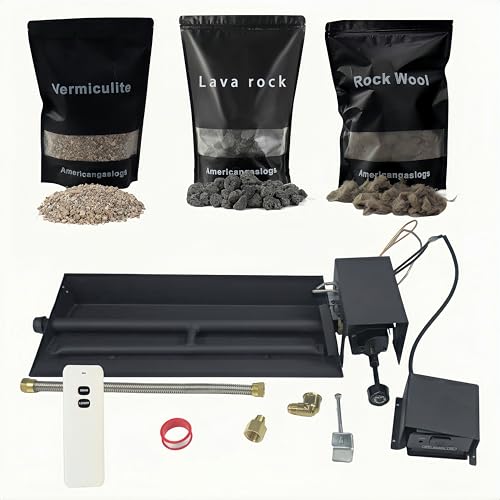
Vent Free Gas Fireplace Burner Kit: Complete Guide & Top Picks
Transform your existing fireplace with a vent free gas burner kit. Learn how these kits work, safety considerations, sizing, efficiency, and find the best model for your home.
View Recommended KitsWhy consider a vent free gas fireplace burner kit? If you have an existing wood-burning fireplace that you rarely use, a vent free gas burner kit is a cost-effective way to convert it into a clean, convenient, and efficient heat source — without the need for a chimney or expensive venting modifications. This guide covers everything you need to know before buying.
What Is a Vent Free Gas Fireplace Burner Kit?
A vent free gas fireplace burner kit is a self-contained unit that installs into your existing fireplace opening. It includes a gas burner, ceramic logs or coals, a safety pilot system (Oxygen Depletion Sensor), and often a remote control or thermostat. Unlike traditional wood-burning fireplaces or vented gas inserts, vent free kits do not require a chimney or flue — they burn cleanly enough to be used indoors without venting. This makes them ideal for adding a fireplace to a room without a chimney or for converting an old masonry fireplace that has drafting issues.
These kits are available for natural gas and propane, and they come in various sizes and BTU outputs. They are a popular choice among homeowners looking for a ventless gas fireplace insert with blower and remote because they offer convenient, push-button operation and realistic flames.
How Does a Vent Free Burner Kit Work?
The kit connects to your home's gas line (or a propane tank) and uses a pilot light or electronic ignition to ignite the burner. Ceramic logs or glowing embers are placed over the burner to create a realistic flame pattern. The heat is released directly into the room, which is why these units are nearly 100% efficient — no heat is lost up a chimney. However, because they burn gas indoors, they must be equipped with an Oxygen Depletion Sensor (ODS) that automatically shuts off the unit if oxygen levels drop or carbon monoxide rises. This safety feature is mandatory on all vent free appliances sold in the US.
Key Benefits of Vent Free Gas Burner Kits
No Venting Required
Install in any fireplace without a chimney or flue. Perfect for apartment fireplace installation or rooms where venting is impossible.
High Efficiency
Almost all heat stays in the room, making them one of the most energy-efficient fireplace types available.
Convenience
Instant on/off with remote or thermostat. No wood, no ash, no chimney cleaning. Learn can you use a gas fireplace without electricity? Many models work with battery backup.
Cost-Effective Conversion
Much cheaper than installing a new vented insert or rebuilding a chimney. See our fireplace cost breakdown for comparison.
Sizing & BTU: What Size Burner Kit Do You Need?
Choosing the right BTU output is crucial. A burner kit that is too small won't heat your space adequately, while an oversized unit can overheat the room and cycle frequently. Use our fireplace heating capacity BTU guide for a deeper dive. As a rule of thumb:
- Small rooms (up to 200 sq ft): 10,000–20,000 BTU
- Medium rooms (200–400 sq ft): 20,000–30,000 BTU
- Large rooms (400–600 sq ft): 30,000–40,000 BTU
- Open concept / great rooms: 40,000+ BTU (may require multiple units)
For a more precise calculation, refer to our how to size a fireplace guide and fireplace sizing worksheet.
Safety & Ventilation Requirements
Vent free does not mean "no ventilation." These appliances require a minimum room volume and fresh air intake to operate safely. Most manufacturers specify that the room must be at least 1,000 cubic feet (or more) and that you must have a window slightly open or a dedicated air vent. Always follow the manufacturer's instructions and local building codes. For safety FAQs, see ventless vs electric safety and carbon monoxide signs from fireplace. Regular gas fireplace inspection is also recommended.
Vent Free vs Vented vs Electric: Quick Comparison
| Feature | Vent Free Gas Burner Kit | Vented Gas Insert | Electric Fireplace Insert |
|---|---|---|---|
| Venting Required | No | Yes (chimney or direct vent) | No |
| Efficiency | 98–99% | 70–85% | 100% (zone heating) |
| Installation Complexity | Low (DIY-friendly) | Moderate to High | Low (plug-in) |
| Realistic Flame | High (real fire) | High (real fire) | Moderate to High (LED) |
| Heating Output | High (10k–40k BTU) | Medium to High | Low to Medium (5k BTU) |
| Best For | Converting existing fireplace, zone heating | New construction, primary heat | Apartments, mild climates, ambiance |
For a full comparison, see our electric vs gas vs wood fireplace comparison and vented vs ventless gas fireplace.
How to Choose the Best Vent Free Burner Kit
When shopping for a vent free gas fireplace burner kit, consider these factors:
- Fuel type: Natural gas or propane. Match your home's supply. If you don't have a gas line, see gas fireplace without a gas line.
- BTU output: Based on room size (see above).
- Ignition type: Millivolt (standing pilot) vs electronic ignition (battery or hardwired). Electronic is more efficient.
- Control options: Remote, thermostat, wall switch, or smart Wi-Fi. See fireplace thermostat guide.
- Log style: Ceramic fiber logs, realistic embers, or contemporary stones. Browse ceramic fireplace logs.
- Safety features: ODS, auto shut-off, and CSA certification.
Maintenance Tips for Long-Lasting Performance
Vent free burner kits are relatively low maintenance, but you should clean the logs and burner ports annually to prevent dust and debris from affecting the flame. Use a soft brush or vacuum. Check the pilot assembly and thermocouple if the unit won't stay lit. For detailed steps, see our how to clean a gas fireplace burner guide and gas fireplace maintenance guide. If you notice soot, it may indicate improper air mixture or dirty logs — address it promptly.
Common Issues & Troubleshooting
Even the best kits can develop issues. Here are quick fixes for common problems:
- Pilot won't stay lit: Check thermocouple or thermopile. See pilot light keeps going out.
- Weak flame: Clean burner ports or check gas pressure. See gas fireplace weak flame.
- Gas smell: Turn off gas and ventilate. See fireplace smells like gas.
- Won't turn off: Check remote or wall switch. See gas fireplace won't turn off.
Frequently Asked Questions
Can I install a vent free gas burner kit myself?
Yes, many homeowners install these kits as a DIY project, but you must connect the gas line — which often requires a licensed plumber or gas fitter. Always check local codes. See DIY vs professional fireplace installation.
Do vent free burner kits produce carbon monoxide?
They produce trace amounts, which is why they are equipped with an Oxygen Depletion Sensor. With proper ventilation and maintenance, CO levels remain safe. See carbon monoxide signs from fireplace.
How long does a vent free burner kit last?
With regular maintenance, a quality kit can last 10–15 years or more. See fireplace lifespan.
Can I use a vent free burner kit in a bedroom?
Yes, but check local codes and manufacturer specifications. Some areas restrict vent free appliances in bedrooms. Always ensure adequate ventilation. See is it safe to sleep with a fireplace on.
What is the difference between a vent free burner kit and ventless gas logs?
They are essentially the same concept; "burner kit" often refers to the complete system including burner, logs, and controls. Ventless fireplace logs may be a component. Shop best ventless gas logs for options.
Do I need a blower with a vent free burner kit?
Not required, but a blower can help distribute heat more evenly. See fireplace blower fan guide.
Final Thoughts
A vent free gas fireplace burner kit is an excellent solution for homeowners who want the warmth and ambiance of a real fire without the hassle of wood or the expense of venting. By choosing the right size, fuel type, and features, you can enjoy a cozy, efficient heating source for years to come. Explore our recommended products below to find the perfect kit for your home.